
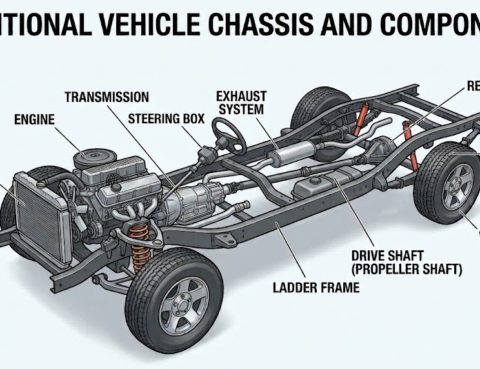
When you look at that old clunker gathering dust in your driveway, what do you see? A fading paint job? Flat tires? A giant lawn ornament? At You Call We Haul, we see something completely different. We see a two-ton treasure trove of high-grade steel, versatile aluminum, and precious trace metals just waiting to be recycled and put back to work.
A car is an absolute marvel of metallurgy. If you’ve ever wondered exactly how much metal goes into the average vehicle—and why those metals make your junk car valuable—buckle up. We’re breaking down the heavy truth about what’s hiding under the hood.
The Basic Breakdown: Weighing In
The average vehicle on the road today weighs somewhere between 2,500 and 6,000 lbs, with some pickups exceeding 7,000 lbs. Of that massive footprint, a staggering 75% to 80% is pure metal. But automakers don’t just pour a single type of metal into a mold and call it a day. Building a car requires a highly calculated recipe of different alloys—each chosen for specific properties like safety, heat resistance, or fuel efficiency.
Here is exactly how that weight is distributed:
Classic 1970s Cruiser | Modern Sedan | Modern EV |
~75% | 60% | ~45% |
Classic 1970s Cruiser | Modern Sedan | Modern EV |
~2% | 10% | ~15% |
Classic 1970s Cruiser | Modern Sedan | Modern EV |
~10% | 5% | ~2% |
Classic 1970s Cruiser | Modern Sedan | Modern EV |
~1% | 2% | ~3% |
Classic 1970s Cruiser | Modern Sedan | Modern EV |
~0% | 0% | ~15% |
Classic 1970s Cruiser | Modern Sedan | Modern EV |
~12% | 23% | ~20% |
The Big Three: Steel, Aluminum, and Iron
To understand why your car is built the way it is, you have to look at the “Big Three” metals that make up its DNA.
1. Steel
Steel is the undisputed king of automotive manufacturing. Making up roughly 60% of your car’s total weight, steel is responsible for keeping you safe. Automakers use Advanced High-Strength Steels (AHSS) in the chassis, door beams, and crumple zones to absorb impact during a collision. It’s also the primary material for your vehicle’s roof and body panels.
2. Aluminum
Over the last decade, automakers have been putting cars on a serious diet, and aluminum is their secret weapon. Accounting for about 10% of a modern car’s weight, aluminum is incredibly lightweight and resistant to rust. You’ll find it in engine components, transmission housings, alloy wheels, and increasingly, body panels.
Fun Fact: When the Ford F-150 transitioned to an aluminum body in 2015, the truck shed 700 pounds, drastically improving its fuel economy without sacrificing towing power.
3. Iron
Iron may be significantly heavier than aluminum, but it brings unmatched durability and heat resistance to the table. Found primarily in engine blocks, brake rotors, and drivetrain components, iron handles the high-stress, high-friction environments that would melt or warp lesser metals.
The Hidden Treasures
Beyond the structural metals, your car is laced with smaller amounts of highly valuable trace materials.
- Copper: Thanks to its brilliant electrical conductivity, a modern vehicle contains anywhere from 40 to 90 pounds of copper wiring to power everything from the starter motor to your heated seats.
- Platinum, Palladium, & Rhodium: Found inside your catalytic converter, these precious metals are used to filter and neutralize harmful exhaust emissions.
- Lithium, Cobalt, & Nickel: As the automotive world shifts toward Electric Vehicles (EVs), these non-traditional battery metals are becoming some of the most sought-after materials on the planet.
Don't Let Your Metal Rust in Peace
The automotive industry is constantly evolving, blending new carbon composites and advanced alloys into the cars of tomorrow. But the fundamental truth remains the same: metal is the backbone of every car on the road, and it holds serious value.
When a car reaches the end of its life, letting it rot in your yard isn’t just an eyesore—it’s a waste of perfectly recyclable resources. That steel, aluminum, and copper can be melted down, refined, and given a second life in new cars, appliances, and infrastructure.
Ready to cash in on all that metal?
At You Call We Haul, we make it effortless to turn your unwanted vehicle into cash. We don’t care if it’s missing a bumper, completely totaled, or hasn’t started in years. We’ll get you a real bid from a real buyer…and the best part? Our buyer comes to you to tow it away for free, and pays you on the spot. Stop letting your metal rust in peace.
Click here to get your free, no obligation cash offer today!
Hurricane season starts this month. While most people are worried about the wind and rain, there’s a different kind of threat heading for your driveway.
Every year, thousands of cars are submerged in floodwaters. These vehicles are rotting from the inside out, yet scammers find ways to put them back on the market with a “clean” title. It’s called title washing, and it’s a flat-out scam designed to take your hard-earned money.
What Is Title Washing?
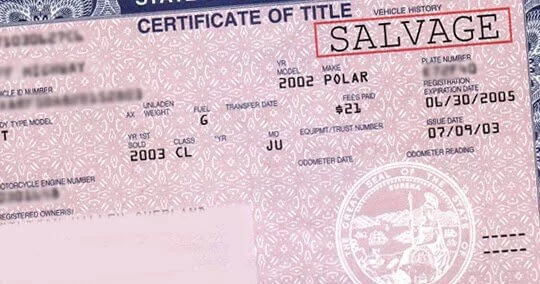
When a car is totaled by a flood, insurance companies brand the title as Salvage or Flood. This tells any future buyer that the car is compromised.
Scammers hate those brands because they can’t sell the car for full price. So, they move the car to a state with laxer laws, register it there, and wash that brand off the document. They’re betting that you won’t look close enough to see the damage they’ve tried to hide.
Why It Matters to You
Driving a flood-damaged car isn’t just a bad investment—it’s dangerous.
Failed Electronics: Saltwater eats through wiring. Your airbags might not deploy, or your engine could simply quit while you’re on the highway.
Invisible Mold: Mildew trapped in the vents and seats is a health hazard you can’t always see.
Structural Rot: If the frame is rusting from the inside, the car won’t protect you in a crash.
5 Ways to Spot a Flood Scam
Don’t trust a piece of paper. Trust your eyes and your gut. Look for these red flags:
The Smell: If the car smells like a locker room—or if it smells like it was just hosed down with industrial-strength bleach—walk away.
The Grit Test: Run your hand under the seats or behind the dashboard. If you feel fine silt or sand, that car was underwater.
Premature Rust: Look at the unpainted bolts under the seats or the springs under the dash. If they’re rusted, that’s a high-water mark.
Mismatched Carpets: If the carpet looks brand new but the rest of the interior is worn, someone might be trying to hide water damage.
The Price Tag: If a deal looks too good to be true right after a major storm, it probably is.
How to Protect Your Wallet
You don’t have to be an expert to avoid getting scammed. Follow these three steps:
Check the NMVTIS: Go to vehiclehistory.gov. This is the federal database that scammers can’t easily manipulate. If it says “Salvage” there, it doesn’t matter what the paper title says.
Get an Inspection: Spend the $100 to have a mechanic you trust put the car on a lift. They’ll see the mud and corrosion that a car wash can’t reach.
Buy Reputable: Stick to dealers with a physical address and a reputation to protect. If a guy is selling a car in a parking lot for cash only, he’s probably looking for an easy mark.
You deserve a car that’s safe and worth what you paid for it. Don’t let a title washer sell you a lemon just because the seasons are changing.
Airbags and seatbelts are the silent guardians of your commute. We don’t think about them until we need them—and when they do their job, they do it with explosive precision. But once the dust settles after an accident, many drivers are faced with a shocking reality: The cost of replacing those safety systems might actually exceed the value of the car.
In 2026, the technology behind Supplemental Restraint Systems (SRS) has become more advanced—and more expensive—than ever. If you’re staring at a deployed steering wheel or a torn dashboard, here is what you need to know.
The True Cost of a Reset
Replacing a single airbag isn’t just about the bag itself. To ensure the car is safe to drive again, a certified technician usually has to replace:
The Airbag Modules: Often $1,000+ per unit.
The SRS Control Module: The brain of the system that locks after a crash.
Impact Sensors: These are one-time-use triggers.
Seatbelt Pretensioners: These often fire alongside the airbags to pull you into your seat.
In the current market, a full system restoration after a multi-airbag deployment can easily range from $3,000 to $6,000. For a vehicle that’s more than a few years old, that bill often crosses the Total Loss Threshold, making the car a financial liability.
Safety First: Why DIY Isn’t an Option
It’s tempting to look for cheap, used airbags online, but it’s a gamble you shouldn’t take. Counterfeit or improperly installed airbags are a massive safety risk, and most modern car computers require a digital handshake with OEM parts to even function. If the SRS light is on, the car won’t pass inspection, and more importantly, it won’t protect you in the next collision.
When the Math Doesn't Add Up, Call Us
If your car has “popped” its bags and the repair estimate is making your head spin, don’t pour good money after bad. Your car still has value—even if it’s no longer roadworthy.
You Call We Haul specializes in helping you move on from damaged, used, or totaled vehicles without the stress. We connect you with a nationwide network of buyers who place live bids on your car exactly as it sits.
How it works in 3 easy steps:
Report the Condition: Upload a few photos and tell us about the damage.
Get Your Offer: Review live bids from buyers who want your car.
Get Paid: Once you accept, a towing agent handles the pick-up for free, and you get cash on the spot.
Don’t let a deployed airbag deflate your bank account.
Ready to see what your car is worth? Click here to get started or call us at (866) 771-5865.
Disclaimer: This article is for informational purposes only and does not constitute legal, mechanical, or safety advice. Replacing a vehicle’s Supplemental Restraint System (SRS) is a complex procedure that should only be performed by certified professionals. The information provided herein is not a determinant of any specific vehicle’s safety or roadworthiness. You Call We Haul does not determine the safety or “total loss” status of any vehicle, and is not responsible for any actions taken based on this information. Always consult with a licensed mechanic and your insurance provider to determine the safety and legal status of a vehicle after an accident.
We’ve all been there: sitting in the waiting room of a mechanic’s shop, staring at a repair estimate that feels more like a mortgage payment. You start doing the mental gymnastics. “If I fix the alternator now, the car should last another two years, right?”
But in the world of automotive finance, there is a cold, hard mathematical reality called Diminishing Returns.
In simple terms, diminishing returns is the point where the money you pour into an asset no longer increases its value or utility proportionally. For a car, it’s the moment your investment in repairs stops being a smart way to save money and starts being a way to lose it faster. When the cost to keep a vehicle roadworthy consistently exceeds its market value or the cost of a replacement, you aren’t saving a car, you’re subsidizing a sinking ship.
The 12-Year Wall: 2013 Vehicles are the 2026 Danger Zone
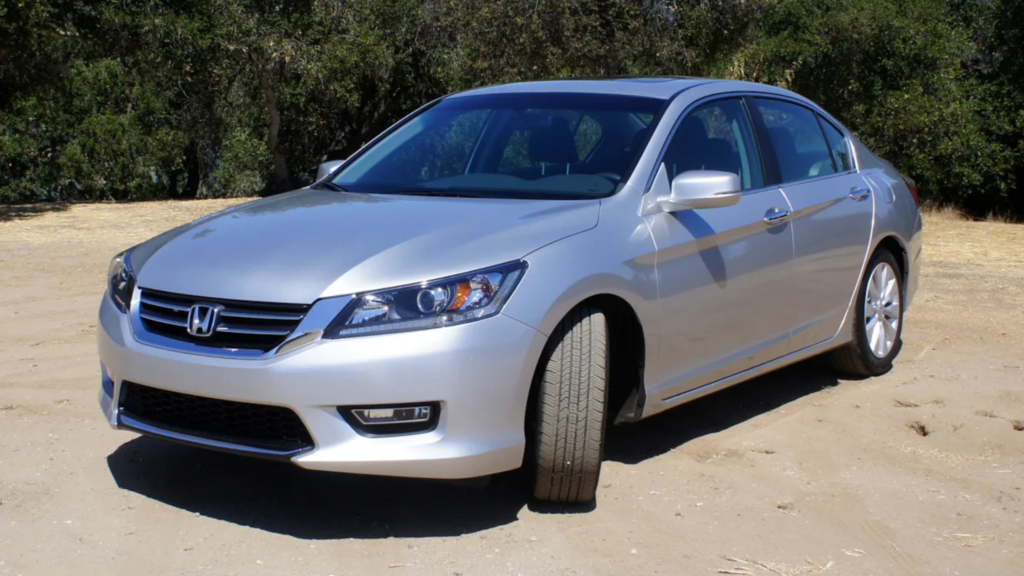
As of 2026, the 2013 model year has officially hit the “12-Year Wall.” While 2013 was a great year for reliable mid-size sedans and SUVs, time and mileage eventually catch up to even the best engineering.
Most 2013 vehicles now have between 140,000 and 170,000 miles. This is the specific window where “wear items” (like tires and brakes) transition into “major failures” (like transmissions, head gaskets, and complex electronics). In 2026, with labor rates and parts costs at an all-time high, a single major failure on a 2013 model can effectively “total” the car.
2026 Average Repair Costs vs. Vehicle Value
To see the math in action, look at how 2026 repair prices stack up against a 2013 vehicle with a typical market value of $4,000 – $6,000:
2026 Avg. Cost (Parts + Labor)
$750 – $1,100
% of Car’s Total Value
15% – 22%
Financial Status
✅ Routine Maintenance
2026 Avg. Cost (Parts + Labor)
$850 – $1,400
% of Car’s Total Value
17% – 28%
Financial Status
✅ Routine Maintenance
2026 Avg. Cost (Parts + Labor)
$2,200 – $3,500
% of Car’s Total Value
44% – 70%
Financial Status
⚠️ Warning Zone
2026 Avg. Cost (Parts + Labor)
$2,800 – $4,500
% of Car’s Total Value
56% – 90%
Financial Status
🚨 Critical Tipping Point
2026 Avg. Cost (Parts + Labor)
$3,800 – $6,200
% of Car’s Total Value
76% – 124%
Financial Status
🚫 Totaled
2026 Avg. Cost (Parts + Labor)
$5,200 – $9,500
% of Car’s Total Value
104% – 190%
Financial Status
🚫 Totaled
The Diminishing Returns Checklist
Not sure if your car is at the finish line? If you check more than two of these boxes, you have likely reached the point of diminishing returns:
The 50% Rule: Does this single repair quote exceed 50% of what the car is worth on the open market?
The Triple Threat: Does the car need three or more smaller fixes (e.g., tires, an oil leak, and a check engine light) that total over $2,500?
The Monthly Parity: Are your average monthly repair bills higher than a $450/month payment on a newer, warrantied vehicle?
Safety vs. Sunk Cost: Are you ignoring safety issues (like bald tires or soft brakes) because the car isn’t worth the fix?
Frequency of Failure: Has the car been in the shop more than three times in the last 12 months for non-routine issues?
The Exceptions: 2013 Survivors to Maintain
There are always a few survivors that defy the diminishing returns rule. If you own one of the following, the math changes slightly:
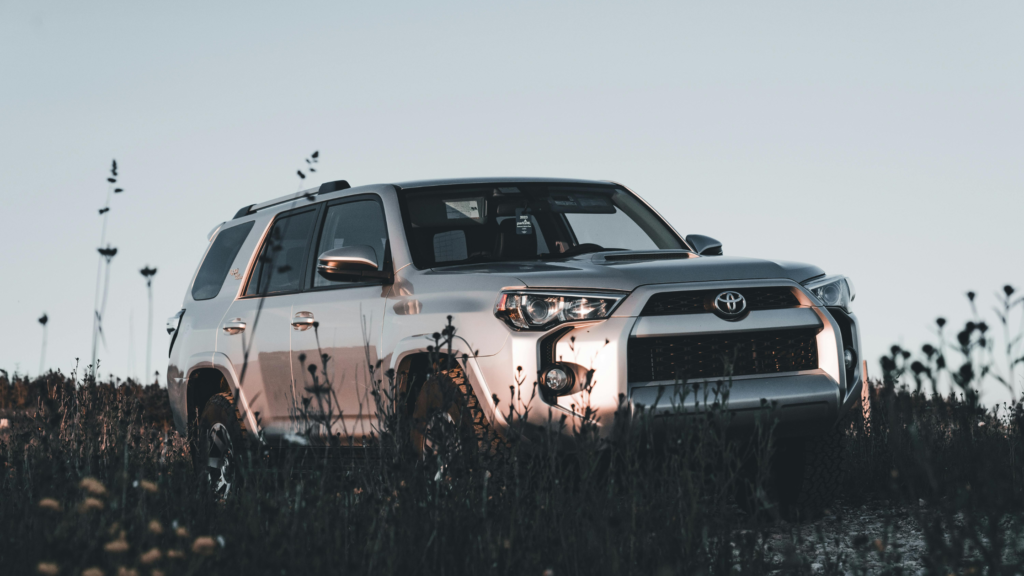
High-Resale Icons: 2013 Toyota 4Runners, Jeep Wranglers, and heavy-duty diesel trucks hold their value incredibly well. A $4,000 repair on a truck still worth $15,000 is usually a smart move.
Pristine Condition/Low Mileage: If your 2013 vehicle only has 60,000 miles and has been garage-kept, its utility value is higher than the average market price.
Sentimental Value: Math doesn’t account for memories. If it’s your first car or a family heirloom, the return isn’t financial, it’s emotional. Just know that you are spending for love, not for logic!
Don’t Throw Good Money After Bad
If your 2013 vehicle has officially crossed into the “Totaled” category on our repair table, it’s time to stop the bleeding. Every dollar you spend on a car in a state of diminishing returns is a dollar that could have been a down payment on your next reliable ride.
Ready to turn that "Money Pit" into "Money in Your Pocket"?
At You Call We Haul, we specialize in taking those high-mileage, high-repair-cost vehicles off your hands. We offer a fast, fair, and seamless way to sell your car—regardless of its mechanical condition. Don’t let your 2013 model sit in the driveway losing more value every day.
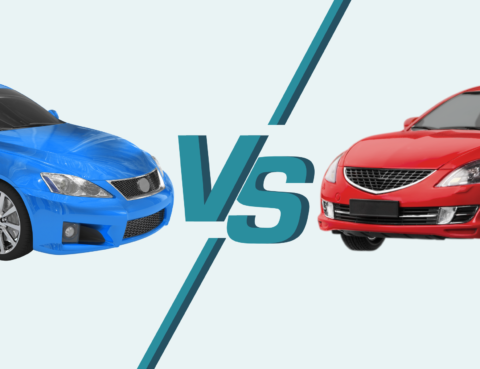
Everyone knows the primary reason to buy a used car instead of a new one: the significantly lower price tag. However, the “cheapest” option isn’t always the best deal. If you don’t choose wisely, a bargain-bin used car can quickly become a money pit.
When shopping, you’ll likely face a choice between a standard used car and a Certified Pre-Owned (CPO) vehicle. While CPOs come with a higher price point, they offer manufacturer-backed inspections and warranties. So, which is right for you?
Here is how to navigate the used car journey and find the best value for your budget.
Know the Difference: Used vs. CPO
A standard used car is typically sold “as-is,” meaning once you drive off the lot, any mechanical failures are your responsibility. Certified Pre-Owned vehicles sit in the sweet spot between “used” and “new.” These are late-model, low-mileage cars that have passed a rigorous multi-point inspection by the manufacturer. While you will pay a premium for a CPO—often a few thousand dollars more—you gain a factory-backed warranty and the assurance that the car has been vetted by experts.
Finding the Right Inventory
The search for a quality vehicle has moved almost entirely online, offering more transparency than ever before.
Depending on whether you want the protection of a CPO or the deep discount of a private sale, you should check these sources:
- Listing Aggregators: Sites like Autolist, Autotrader, and Used Car Search Pro compile thousands of dealer listings in one place.
- Online Retailers: Platforms like CarMax and Carvana offer “no-haggle” pricing and often have their own internal certification programs.
Private Party Sellers: These are individual owners typically found on Facebook Marketplace or Craigslist; this is where you’ll find the lowest prices, though they offer the least protection.
Budgeting Beyond the Sticker Price
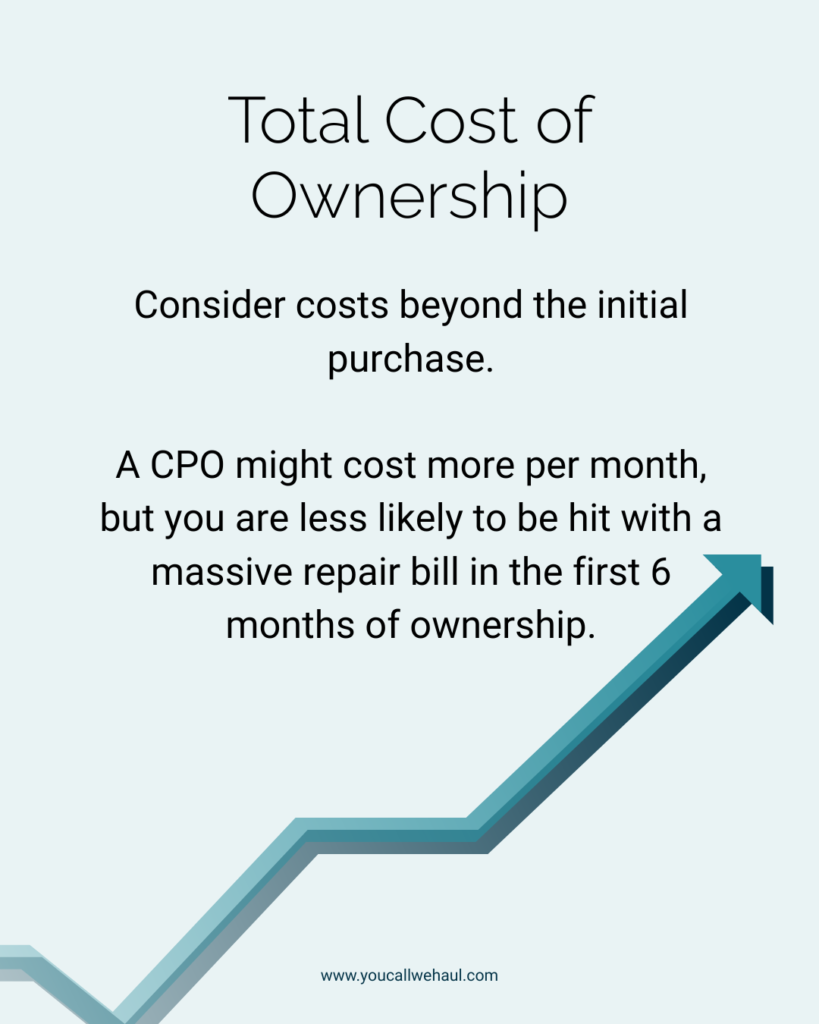
Whether you pay cash or take out a loan, your budget should extend beyond the initial purchase price. A lot of people take out a loan to protect their savings and afford a newer, safer model, but you must also factor in the Total Cost of Ownership. This includes maintenance, insurance, and depreciation. A CPO vehicle might cost more per month, but because it’s usually a late-model car with a warranty, you are less likely to be hit with a massive repair bill in the first six months of ownership.
Your Pre-Purchase Checklist
Once you’ve found a potential car and verified its value through a pricing guide like Kelley Blue Book, you need to perform your due diligence. Before you sign any paperwork, make sure you have completed the following steps:
- Run a Vehicle History Report: Use the VIN to check for past accidents, title issues, and previous owners.
- The “Cold Start” Test: Listen for unusual noises or vibrations when the engine is first turned on.
- Systems Check: Test the brakes, check the oil pressure, and ensure all safety features like airbags are functioning.
- Professional Inspection: For non-CPO cars, it is always worth paying a mechanic for a quick pre-purchase inspection to find hidden “red flags.”
Get Cash for Your Current Car with You Call We Haul
Are you looking to clear out your driveway before your new purchase arrives? You Call We Haul buys cars in any condition, regardless of age or model. We help you sell your old car by bidding it through our nationwide network of buyers, ensuring you don’t just take the first low-ball offer you receive. Our live bidding process gets you the most money possible for your unwanted vehicle.
Junk or sell your car online for cash today! Call us at 866-771-5865.

Over the years some common misconceptions have developed about the modern day vehicle. Where did these myths come from? Well, we don’t know for sure. But, what we do know is that they spread very quickly. Unfortunately, not all of these car myths are created equal. Many have been debunked over the years. Below is a list of some of the most common car myths that have proved to be false.
1. You need to warm up your car first thing in the morning.
Engines do need to be warmed up, just not in the way people think. People will often let their engines idle in the winter to warm up there car, but a cold car operating in idle is actually operating in its lowest power and not generating any heat. The best way to warm up your car is to start driving right when it starts.
2. Filling up your fuel thank in the morning gets you better fuel.
Come people think the cool morning air makes gasoline denser. This would mean you would get more fuel than you normally would when filling up early in the day. Although this is true, gasoline is stored in underground tanks, therefore you get the same quality of gas no matter when you visit the gas station.
3. Premium fuel gives you better performance
While premium fuel is necessary for certain types of vehicles, however premium fuel will not improve your engine performance or responsiveness outside of those specific models. Unless your car requests premium fuel it is a complete waste of money.
4. Driving barefoot is illegal
Despite what people say, there is no actual law in any of the 50 states prohibiting you from driving without any shoes or socks on.
Perhaps your car is getting to the end of its life. If this is the case, then whether or not these myths are true won’t matter to you. If you’re looking to get rid of your car, You Call We Haul could help.
Get Cash for Your Car with You Call We Haul
Are you looking to get rid of your car? You Call We Haul buys cars in any condition, regardless of age or model. You Call We Haul gets you the very best bid for your old or unwanted car. With our cash for cars service, you don’t just take the first bid available. We help you sell your old car by bidding it through our website. Don’t just take one offer, we can get you multiple offers on your vehicle. No other company or website can get you more money for your old car. Our nationwide network of buyers will place live bids on your car!
Junk or sell your car online for cash by going online or calling us at 866-771-5865!
With the first day of Summer just one day away and the increase of bugs and pollen, we though it would be a good time to share some car washing tips to make sure your car is looking stylish for the open road. In addition to making your car look like new again, washing the exterior of your vehicle is necessary to increase its longevity. A regular car wash protects the body of your car from a variety of environmental elements. If the vehicle goes for months without a wash, then these materials could build up and damage the car’s paint. This guide focuses on cleaning the exterior of your vehicle, but don’t forget the interior is just as important.
Even if you’re already performing a routine wash on your car, it doesn’t hurt to make sure you are using the proper materials and techniques. It is recommended that you hand wash your vehicle to remove dirt, grime, bugs, and other elements of the road. You should start with the wheels and tires so that water isn’t sitting on the car’s surface creating water spots as you clean each wheel.
Washing Your Wheels and Tires
Wash each tire one at a time. Wash, rinse, dry, and then move to the next wheel. This allows you to ensure each tire is clean and dry before you move to the next one. Make sure you’re using a proper cleaner designed specifically for the type of wheels that you have. Equally as important, make sure you get the right scrubbing brush so you don’t scratch the surface. You can also buy a long, slender brush for the inner areas of the wheel, such as behind the spokes. After you’ve finished washing and drying your wheels, waxing them can help create a barrier against dust, dirt, and grime.
Now that your wheels and tires are looking like new again, it is time to wash the body of your car. The same goes for washing the body of your car. You must have the proper materials and technique so not to damage the surface and paint.
Washing the Vehicle Body
First, begin by parking your car in the shade, as washing your car in the direct sunlight can speed up the drying process and create water spots. Next, pre-rinse your car to remove any lose dirt sitting on the car’s surface. After a quick rinse, gather two buckets. One for the cleaning solution, and the other for clean water. The reason for this is to wash the dirty sponge off in the clean water before dipping it back into the solution. It is important to note not to use dish detergents or hand soap as these are not made for vehicles and could damage the paint. Now, start washing your car at the top and work your way down. The dirtiest parts of the car are often at the bottom, so if your wash your car from the bottom up, you would just be spreading the dirt and grime. You should also wash your car in lines as opposed to circles.
Rinse your car frequently, especially if working in hot weather. This will help avoid those pesky water spots. You should always dry the vehicle after you finish rinsing the solution off. Use microfiber towels to dry the surface of the vehicle, and don’t forget to wipe down door, trunk, and hood jambs. If the surface of your car still feels rough to the touch, consider using a clay bar. Clay bars remove contaminants from your vehicle that washing cannot. As a finishing touch, you should always add a layer of wax to your car. Waxing not only adds shine to the car, but it adds a protective layer to the paint as well.
If you follow this helpful tips and tricks, your car will be on the fast track to looking like new again!
Unfortunately, some cars have seen their better days. And despite how many times you wash your car its appearances never changes. If not properly cared for, cars could accumulate rust over time and the paint can become permanently damaged from the sun. If this is the case, then maybe you are in the market for a new car. Getting rid of your old car can be a hassle, but not with You Call We Haul.
Get Cash for Your Car with You Call We Haul
Are you looking to get rid of your car? You Call We Haul buys cars in any condition, regardless of age or model. You Call We Haul gets you the very best bid for your old or unwanted car. With our cash for cars service, you don’t just take the first bid available. We help you sell your old car by bidding it through our website. Don’t just take one offer, we can get you multiple offers on your vehicle. No other company or website can get you more money for your old car. Our nationwide network of buyers will place live bids on your car!
Junk or sell your car online for cash by going online or calling us at 866-771-5865!
We all know the number one reason to buying a used car instead of a new one is the relatively low price point attached. But, if not done correctly, purchasing a used car can actually cost you more money than buying a new one. With this is mind, there are tools out there to help you on your used car search journey, helping you find a car that will fit your needs and your budget. Below are a few tips for the process of buying a used car.
1. Determine how much to spend
To pay for a used car you can either pay cash or take out a loan. A lot of people take out a loan to protect savings and buy a newer model. You’ll also want to consider total cost of ownership, factoring not only the upfront cost of the car but future costs such as maintenance, repairs, insurance, and depreciation.
2. Find good used cars
There are many websites that list used cars. Some of the more popular ones include: Autolist, Autotrader, and Used Car Search Pro. These websites compile listings from dealerships and online retailers and connect you with the seller. Other websites where you can complete the purchase of your car online include CarMax, Carvana, and Vroom. The third way to find a used car is through a traditional private-party seller.
3. Price the cars and get a vehicle history report
Once you find potential options in your area, you should use a car pricing guide such as Kelley Blue Book. You can use that price to negotiate effectively. Make sure to look at the descriptions of the condition levels and match it with the correct pricing guide. Vehicle history reports give the buyer all kinds of information about the car, including its past, title information, past owners and more. It is a good idea to obtain one prior to purchase.
4. Test-drive and make purchase
Car shoppers should always test-drive a car before buying it as it will alert you of any potential problems the vehicle might have. You should check the important car parts such as the engine, oil pressure, brakes, and airbag. You should also listen for any unusual noises or vibrations. Once everything checks out, you can begin to negotiate a price with the seller.
Get Cash for Your Car with You Call We Haul
Are you looking to get rid of your car? You Call We Haul buy cars in any condition, regardless of age or model. You Call We Haul gets you the very best bid for your old or unwanted car. With our cash for cars service, you don’t just take the first bid available. We help you sell your old car by bidding it through our website. Don’t just take one offer, we can get you multiple offers on your vehicle. No other company or website can get you more money for your old car. Our nationwide network of buyers will place live bids on your car!
Junk or sell your car online for cash by going online or calling us at 866-771-5865!
A common question among car owners when deciding which car to purchase is, “how long is it going to last?” Well, the average passenger car age in the US is around 12 years, which usually equals approximately 200,000 miles. Although, there are many factors that come into play that can influence the longevity of a vehicle. Not all cars are created equal, so it all starts with choosing a well-built make and model that fits your lifestyle needs. Additionally, routine maintenance, diligence in completing small repairs, regular washing, and careful driving also play a role.
Can my car surpass 200,000 miles?
Yes, it’s possible. If you properly maintain your car, and it is a well-built make and model, it is definitely possible to pass 200,000 miles and even reach 300,000. Although conventional vehicles typically last for 200,000 miles, the average automobile age over the past several decades has increased in the United States.
What factors can influence car longevity?
There are a number of factors that will affect how long a car will run. There are some car makes and models that have a reputation for being built to last. Also, technology advancements in newer cars, including better computers, have also helped increase longevity. Driver-assistance systems and vehicle management systems can also help extend the car’s life by providing warnings about maintenance issues and also helping the driver avoid accidents and drive more safely.
Maintenance Matters
As the vehicle owner, you should also check the maintenance schedule in the owner’s manual and follow the recommendations for your specific vehicle. Excessive mileage alone won’t cause your car to stop running. It’s the neglected maintenance, deferred repairs, rust and corrosion that can cut your vehicle’s life short.
Indications that your car has reached its end include a serious accident, a flood, a fire, or extensive rust.
If its time to let go of your vehicle, You Call We Haul can help.
Get Cash for Your Car with You Call We Haul
Are you looking to get rid of your car? You Call We Haul buy cars in any condition, regardless of age or model. You Call We Haul gets you the very best bid for your old or unwanted car. With our cash for cars service, you don’t just take the first bid available. We help you sell your old car by bidding it through our website. Don’t just take one offer, we can get you multiple offers on your vehicle. No other company or website can get you more money for your old car. Our nationwide network of buyers will place live bids on your car!
Junk or sell your car online for cash by going online or calling us at 866-771-5865!
Although electric vehicles are still slow to gain market share in the US automobile market, only representing 3% of all sales in 2021, many consumers still consider them the cars of the future. Many experts estimate that the 3% will grow to 10% by 2025, and even pass the 50% mark by 2050.
It appears people are still slow to get on board with purchasing an EV. Perhaps it could be there high price point. Or maybe it could be the many myths and stereotypes surrounding electric vehicles. Below is a list of 4 of the most common myths associated with electric vehicles.
Myth #1: EVs don’s have enough range limiting how far you can travel
According to the U.S. Department of Transportation, Americans drive an average of 40 miles a day. Even the shortest range electric vehicles can travel over twice that distance before needing a recharge. The most affordable Nissan Leaf can run an average of 150 miles with the more expensive models like the Tesla Model S maxing out at 335 per charge.
Myth #2: Electric vehicles are too expensive
Yes, it is true that electric vehicles are priced at a premium relative to gasoline powered cars. Although, there are opportunities for federal tax credit for specific makers and models. Also, there is the option to purchase a pre-owned EV. Pre-owned EVs typically have less wear and tear than gasoline pre-owned vehicles due to their range which also means they can be purchased with less mileage.
Myth #3: EVs are costly to maintain and repair
EVs actually cost less to keep running than gas powered vehicles. Electric vehicles don’t require oil changes or tune ups. There are also fewer moving parts that could eventually fail and need replacing. EVs have a simple one speed transmission and are produced without items such as spark plugs, valves, fuel tank, starter, and catalytic converter, to name a few.
Myth #4: They’re not greener than gas powered vehicles
Many argue EVS still indirectly pollute the atmosphere via the power plants that produce the electricity necessary to power them. However, in many states where EVs are popular, like California and New York, charging your EV will have less of an affect because of the renewable energy resources that are more prevalent in those states. Even in states where fossil fuels are more common, a study by the Union of Concerned Scientists found EVs are generally responsible for less pollution than conventional vehicles in all regions of the U.S.
Electric motors also convert nearly 75 percent of the chemical energy from the batteries to power the wheels, with the engines of gas powered vehicles only converting 20 of the energy stored in gasoline. Electric vehicles also do not emit any direct tailpipe pollutants.
Get Cash for Your Car with You Call We Haul
Are you looking to get rid of your car? You Call We Haul buy cars in any condition, regardless of age or model. You Call We Haul gets you the very best bid for your old or unwanted car. With our cash for cars service, you don’t just take the first bid available. We help you sell your old car by bidding it through our website. Don’t just take one offer, we can get you multiple offers on your vehicle. No other company or website can get you more money for your old car. Our nationwide network of buyers will place live bids on your car!
Junk or sell your car online for cash by going online or calling us at 866-771-5865!