Airbag Replacement Costs

Airbags and seatbelts are the silent guardians of your commute. We don’t think about them until we need them—and when they do their job, they do it with explosive precision. But once the dust settles after an accident, many drivers are faced with a shocking reality: The cost of replacing those safety systems might actually exceed the value of the car.

In 2026, the technology behind Supplemental Restraint Systems (SRS) has become more advanced—and more expensive—than ever. If you’re staring at a deployed steering wheel or a torn dashboard, here is what you need to know.

The True Cost of a Reset

Replacing a single airbag isn’t just about the bag itself. To ensure the car is safe to drive again, a certified technician usually has to replace:

  • The Airbag Modules: Often $1,000+ per unit.

  • The SRS Control Module: The brain of the system that locks after a crash.

  • Impact Sensors: These are one-time-use triggers.

  • Seatbelt Pretensioners: These often fire alongside the airbags to pull you into your seat.

In the current market, a full system restoration after a multi-airbag deployment can easily range from $3,000 to $6,000. For a vehicle that’s more than a few years old, that bill often crosses the Total Loss Threshold, making the car a financial liability.

Safety First: Why DIY Isn’t an Option

It’s tempting to look for cheap, used airbags online, but it’s a gamble you shouldn’t take. Counterfeit or improperly installed airbags are a massive safety risk, and most modern car computers require a digital handshake with OEM parts to even function. If the SRS light is on, the car won’t pass inspection, and more importantly, it won’t protect you in the next collision.

When the Math Doesn't Add Up, Call Us

If your car has “popped” its bags and the repair estimate is making your head spin, don’t pour good money after bad. Your car still has value—even if it’s no longer roadworthy.

You Call We Haul specializes in helping you move on from damaged, used, or totaled vehicles without the stress. We connect you with a nationwide network of buyers who place live bids on your car exactly as it sits.

How it works in 3 easy steps:

  1. Report the Condition: Upload a few photos and tell us about the damage.

  2. Get Your Offer: Review live bids from buyers who want your car.

  3. Get Paid: Once you accept, a towing agent handles the pick-up for free, and you get cash on the spot.

Don’t let a deployed airbag deflate your bank account.

Ready to see what your car is worth? Click here to get started or call us at (866) 771-5865.

Send Me Articles Like This

* indicates required

Disclaimer: This article is for informational purposes only and does not constitute legal, mechanical, or safety advice. Replacing a vehicle’s Supplemental Restraint System (SRS) is a complex procedure that should only be performed by certified professionals. The information provided herein is not a determinant of any specific vehicle’s safety or roadworthiness. You Call We Haul does not determine the safety or “total loss” status of any vehicle, and is not responsible for any actions taken based on this information. Always consult with a licensed mechanic and your insurance provider to determine the safety and legal status of a vehicle after an accident.

When is the Best Time to Sell Your Car

“When should I sell?” It’s the golden question for every car owner. Whether you’re looking to upgrade your daily driver or finally part ways with a non-running vehicle, timing can be the difference between a low-ball offer and top dollar.

While there is no perfect day, these three factors will help you decide if right now is the best time to cash in.

Watch the Seasons (and the Body Style)

Seasonality matters, but it depends entirely on what you’re driving. To get the best price, you want to sell when demand for your specific vehicle type is peaking:

  • Spring & Summer: This is prime time for sedans, fuel-efficient commuters, and convertibles. With tax refunds in hand and warmer weather, buyers are more active.
  • Fall & Winter: If you have an AWD SUV or a heavy-duty truck, the first sight of snow is your best friend. Buyers prioritize safety and traction when the weather turns.
  • The Junk Exception: If you’re selling a car that doesn’t run, seasonality matters less than scrap metal prices. When steel prices are up, your “clunker” is worth more, regardless of the temperature outside.

The Mileage Milestones

In the automotive world, certain numbers act as psychological barriers for buyers. Your car’s value doesn’t drop at a steady slope; it often steps down at these milestones:

  • 36,000–60,000 Miles: This is typically when bumper-to-bumper and powertrain warranties expire. Selling just before these marks often yields a much higher return.

  • 100,000 Miles: This is the big one. Even though modern cars easily last much longer, many private buyers and dealerships shy away once a car hits six figures.

  • The Reliability Cliff: Research your specific model. If your car is known for transmission issues at 80,000 miles, try to sell it at 70,000.

Send Me Articles Like This

* indicates required

Beat the New Model Devaluation

Technological leaps happen every year. As soon as the next generation of your car hits the showroom floor, your current version becomes the old style.

  • Annual Depreciation: Most cars lose about 15% to 20% of their value each year.

  • The Tech Gap: If a new model year introduces a major safety feature or a much better infotainment system, the older models see a sharper dip in desirability. If you see the “All-New” ads starting to run for your car’s successor, it’s time to list yours immediately.

Ready to Sell?

If you’ve checked your mileage and the calendar and realized now is the time, we’re here to help. At You Call We Haul, we take the guesswork out of the process. Whether it’s an aging SUV or a car that’s seen better days, we provide fast offers and easy towing.

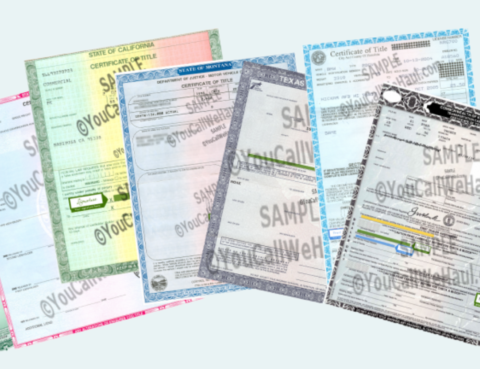
5 Essential Title Tips for a Stress-Free Car Sale

Selling your car should be a victory, not a paperwork nightmare. Whether you’re selling a pristine commuter or getting cash for a non-running junker, the title is the most important document in the deal. A single smudge or a missing middle initial can lead to weeks of delays at the DMV.

To ensure your sale goes off without a hitch, follow these five pro tips for handling your vehicle title.

1. Match Your Signature Exactly

Check how your name is printed on the front of the title. If it includes your full middle name or a suffix (like “Jr.”), you must sign and print your name exactly as it appears.

Pro Tip: Some states are incredibly strict—if the title says “Jonathan,” don’t sign “Jon.”

2. Aim for One-Take Accuracy

Think of your title as a legal contract. Any cross-outs, scribbles, or write-overs can void the document. Even if you are selling a non-functioning junk car, the DMV requires a clean paper trail to transfer ownership. If you make a mistake, you may have to apply for a duplicate title, which costs time and money.

3. Step Away from the White-Out

It might be tempting to fix a typo with correction fluid, but never use White-Out on a title. In the eyes of the DMV, this looks like an attempt to alter a legal document (fraud). A whited-out title is almost always rejected instantly, forcing you to start the replacement process from scratch.

Send Me Articles Like This

* indicates required

4. Clear Your Liens Early

If you ever had a loan on the vehicle, check if a lienholder is listed on the title. If they haven’t signed off on the document itself:

  • You must obtain a Lien Release letter from the bank.

  • The letter must include the VIN, Year, Make, and Model.

  • Check your local laws: Some states require this letter to be notarized.

5. Never Leave the Purchaser Section Blank

It might seem helpful to let the next person fill in their info, but leaving the “Purchaser” section blank is a huge risk. This is known as open titling, and it can leave you liable for tickets or accidents if the car isn’t registered correctly by the new owner. Always fill in the purchaser’s name immediately to ensure the hand-off is official.

Don’t guess your buyer’s info! At You Call We Haul, our buyers will provide you with all the information you need to correctly fill out the Purchaser information on your title.

Still need help? Let the title experts at You Call We Haul assist you! Call 866-771-5865.

REAL HELP FROM REAL PEOPLE

Selling a Junk Car?

Don’t let a messy title stand between you and your cash. Let the You Call We Haul experts help you navigate the paperwork so you can get that old car off your driveway fast.
Navigating Flood-Damaged Vehicles

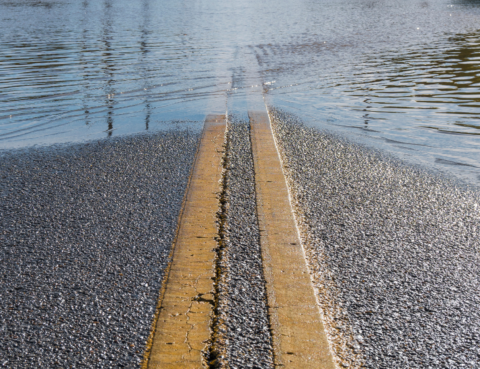
They say April showers bring May flowers, but for many vehicle owners, the start of spring also marks the beginning of flood and hurricane season. As the weather turns wetter, it is the perfect time to talk about a difficult topic: what to do if the rising tide catches your car.

Whether you are dealing with a water-logged driveway now or preparing for the storms ahead, knowing how to handle a flood-damaged vehicle is essential for your safety and your wallet.

Beware of Opportunistic Buyers

After a natural disaster, there is often a surge of opportunistic buyers who try to pick up affected vehicles for very little money. Their goal is usually to pass these cars off as clean units later on without disclosing the damage.

To protect yourself and future drivers, only sell your flood-damaged vehicle to licensed dealers and dismantlers. These professionals understand the legal requirements and intricacies of hurricane and flood vehicles, ensuring the sale is handled properly.

Resist the Urge to Start the Engine

If you walk out to a flooded driveway, your first instinct might be to see if the car still runs. However, the safest course of action is to not attempt to turn on a flooded vehicle yourself.

This is especially critical for hybrid owners or if water reached the wheel wells. Attempting to start the car can cause permanent mechanical or electrical damage. Instead, contact an experienced tow service or a professional shop immediately.

Send Me Articles Like This

* indicates required

How to Assess the Damage

Before you decide on your next steps, look for these tell-tale signs of water intrusion:

  • Damp or muddy carpets and upholstery.

  • Electrical issues or dashboard warning lights.

  • Milky engine oil, which indicates water contamination.

  • Debris or silt trapped under the hood.

Document the damage and note how high the water reached. For a deeper dive into what to look for, watch this helpful video guide.

Selling an Owner Retained Unit

Sometimes an insurance company will pay out a claim but leave you in possession of the vehicle. This is known as an owner retained unit. You can absolutely sell these vehicles, but transparency is key. You must disclose the history of the hurricane, fire, or collision damage and include your salvage title to complete the sale.

Replacing a Lost Title

It is very common for important documents to go missing during a natural disaster. If your title was lost or destroyed in a storm, you can apply for a duplicate.

If you plan on selling your vehicle through You Call We Haul, we have resources to help. Click here to find state-specific instructions on how to replace a lost title so you can move forward with your sale.

Don’t let a flood-damaged car dampen your spring. Get an offer today and let our team of experts help you clear your driveway before the next storm hits.

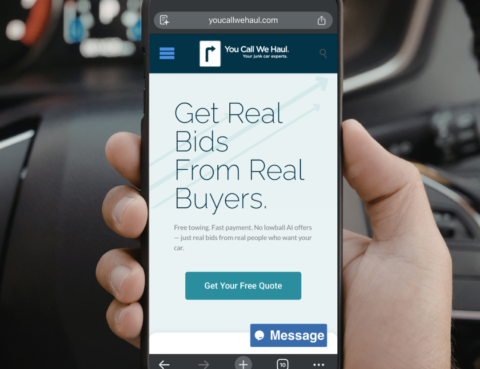
YCWH Mobile Experience

So, you’ve hit submit on your vehicle listing at You Call We Haul. First off: great choice. You’ve just turned a driveway eyesore into a live auction. But if you’re wondering what goes on behind the scenes once that button is clicked, you’re in the right place.

Selling a car shouldn’t feel like a mystery. Here is the step-by-step breakdown of your car’s journey from listed to loaded onto a trailer.

1. Listing Confirmation

The moment you submit, check your phone and inbox. You’ll receive a confirmation email (and a text, if you opted in) letting you know we’ve received your details.

Pro Tip: If you didn’t upload photos during the initial sign-up, your confirmation will include a link to do so. Add them immediately! Listings with photos get significantly more attention and higher bids than those without.

2. The Bidding War Begins

Once your car is in our system, it’s visible to our network of vetted buyers. This is where the magic happens. Buyers will review your vehicle’s details and start placing bids.

While the buyers are looking at your car, our team is looking out for you. If we notice something missing—like a clear photo of the title or a specific angle of the vehicle—we’ll reach out. We want to make sure your listing is buyer-ready to fetch you the best price possible.

Send Me Articles Like This

* indicates required

3. Accepting a Bid

When a bid comes in, you won’t have to keep refreshing your browser. We’ll send you an email and/or text notification with a direct link to the offer.

From there, you have three choices:

  • Accept: You like the price? Great! Let’s get it moved.

  • Counter: Think it’s worth a bit more? Send a counter-offer back to the buyer.

  • Reject: Not the right fit? No hard feelings.

4. Connecting With the Buyer

Once you click Accept, the For Sale sign officially comes down. We’ll provide you with the buyer’s contact information, and they will reach out to you directly to schedule a pickup time that works for your schedule.

Even after you’ve accepted an offer, you aren’t on your own. The You Call We Haul team stays involved to facilitate the finish line. We help:

  • Coordinate pickup logistics.

  • Ensure all necessary documentation is gathered.

  • Follow up for feedback to make sure the process was seamless.

5. Pickup & Payday

The buyer arrives at the scheduled time, hitches up your car, and hands over the payment. Just like that, your car is gone, your pocket is heavier, and your driveway is clear.

Ready to see what your car is worth? Start your listing here and let our buyers do the work for you!

The Truth About Instant Offers

In the 2026 automotive market, selling a junk car is no longer just about finding a guy with a tow truck in the yellow pages. The landscape has become faster and more data-driven, but it has also become noisier. While technology has made it easier to get a quote, it has also paved the way for AI slop—generic, bot-generated offers that look good on a screen but fall apart in the driveway.

At You Call We Haul, we believe the best way to sell your vehicle is to use technology as a tool, not a crutch. Here is how you can leverage modern AI to get a better price, spot phantom offers, and ensure a smooth, human-verified transaction.

Benchmarking Your Value with an AI Co-Pilot

Not all AI is doom and gloom. When used appropriately, AI can help arm you with information that shields you from scammers and low-ball offers.

Before you even request a quote, you can use AI to do the heavy lifting of market research. In years past, you’d have to manually check multiple scrap-value sites and local classifieds. Today, you can use an AI assistant to aggregate this data in seconds. By feeding a prompt to a tool like ChatGPT or Gemini, you can establish a floor price – the absolute minimum you should accept based on current commodity rates.

To get an accurate baseline, ask the AI for the current national average price per ton for automotive steel (which, in early 2026, has been hovering between $145 and $195 per ton). If you know your car’s curb weight, you can estimate its raw material value. Beyond just the metal, AI can help you identify high-demand components. For instance, if your vehicle is a specific year of a Toyota Prius or a Ford F-150, the “part-out” value of the hybrid battery or specialized catalytic converter might be higher than the scrap weight alone. Using AI to scan recent sales data on sites like iScrap App or eBay Motors can give you the leverage to say “no” to a lowball offer.

Defeating the Algorithm Lowball

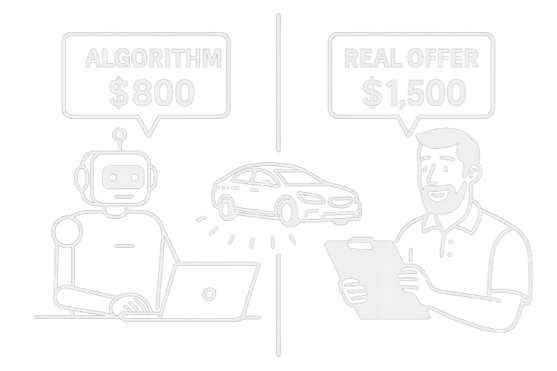
Many modern car-buying sites use automated image recognition to appraise your vehicle. If you provide poor-quality photos, the algorithm is programmed to be risk-averse. It assumes the worst-case scenario—missing parts, engine damage, or severe rust—and automatically drops your offer by 15% to 20% to protect the buyer’s margin.

To get the most cash, you need to feed the algorithm better data. We recommend taking clear, high-resolution photos of the VIN plate, the dashboard (with the odometer visible), and the engine bay. High-quality imagery removes the risk variable from the equation. 

Or, avoid AI altogether with a service like You Call We Haul. We have a team of real humans reviewing your photos. Having low-quality images doesn’t automatically reduce buyer bids. However, when a buyer in our network sees a clear photo of a vehicle – no matter its condition – they can bid with confidence (and often with higher offers).

Spotting AI-Generated Scams and Phantom Offers

As AI has improved, so have the tactics of lead-gen scammers. You may encounter sites that offer an “Instant Guaranteed Payout” that seems too good to be true. Often, these are bot-generated numbers designed to capture your contact information. Once they have your lead, they sell it to the highest-bidding local yard, which then shows up at your house and negotiates the price down by hundreds of dollars, claiming the AI made a mistake.

You can spot these phantom offers by looking for a lack of human interaction. A reputable buyer will provide a breakdown of the offer and won’t hide behind a generic “computer says so” explanation. Furthermore, beware of AI-enhanced return fraud or buyers who ask you to use obscure third-party payment apps. A legitimate professional, like those in the You Call We Haul network, will always provide free towing and pay you directly at the time of pick-up.

The Importance of the Local Professional Network

While we use the best tech to connect buyers and sellers, every step of the process includes humans. Liquidating a vehicle requires local expertise to handle logistics and legal title transfers correctly. We strongly recommend working with buyers affiliated with recognized industry organizations that set the standard for ethical business practices:

By sticking to these networks, you ensure that your car is being handled by licensed and insured professionals who prioritize a clean, legal transaction over a quick, shady buck.

Technology with a Human Touch

Selling your junk car in 2026 doesn’t have to be a battle against the bots. By using AI as your research assistant and You Call We Haul as your trusted marketplace, you get the best of both worlds: the speed of modern technology and the reliability of a vetted, human-centered network. We’ve spent over a decade refining this process to make sure you’re protected from the gotchas and scams that plague the internet.

Ready to see what your car is actually worth? Upload your photos to You Call We Haul today and get real, competitive bids from our trusted network. No trickery, no AI slop – just real bids from real buyers

Send Me Articles Like This

* indicates required
Top Factors Determining a Car's Resale Value

If you’re thinking about selling your car, you’ve probably noticed that resale values don’t always follow the same rules they used to. In today’s market, a vehicle’s worth is influenced by far more than a simple price guide. Buyer demand, condition, location, and even scrap material values all play a role in determining what your car is actually worth.

Understanding these factors can help you set realistic expectations—and make smarter decisions when it’s time to sell.

1. Vehicle Age and Mileage

Age and mileage are often the first details buyers look at, but they don’t tell the whole story.

Lower mileage vehicles typically command higher offers, especially if they’re newer models. That said, older vehicles with higher mileage can still hold meaningful value depending on demand for parts, materials, or specific components. Even cars that are no longer roadworthy may still appeal to buyers who specialize in repairs, resale, or recycling.

2. Make, Model, and Market Demand

Not all vehicles hold value the same way. Brand reputation, model reliability, and long-term demand all influence resale pricing.

Some makes and models consistently perform well in the secondary market due to their durability or popularity. Others may be worth more regionally depending on climate, terrain, or local driving habits. In some cases, discontinued or niche models can attract higher bids from specialized buyers looking for hard-to-find vehicles or parts.

3. Condition: Cosmetic vs. Mechanical

One of the biggest misconceptions sellers have is how much cosmetic damage affects value.

Mechanical condition matters far more than appearances. Issues with the engine, transmission, or frame tend to impact offers significantly, while minor dents, scratches, or interior wear usually matter less than expected. Buyers are often far more interested in whether a vehicle starts, runs, or has salvageable components than whether it looks perfect.

Being honest about your car’s condition upfront helps attract serious buyers and leads to stronger, more accurate offers.

4. Accident History and Title Status

Accidents don’t automatically eliminate your car’s value—but they do affect who will want to buy it.

Vehicles with prior accidents, salvage titles, or rebuilt titles often appeal to a different group of buyers than clean-title cars. These buyers specialize in repairs, parts recovery, or resale and know how to assess value beyond surface damage.

If your car has been in an accident and you’re unsure how that impacts your options, this guide breaks it down step by step: How to Sell a Car That’s Been in an Accident

How to Sell a Car That's Been in an Accident

If your car has been in an accident, you can still sell it quickly and safely. Learn the steps to get real bids, free towing, and fast pickup nationwide.

5. Location and Local Market Conditions

Where your car is located can influence its resale value more than many sellers realize.

Demand varies by region, and factors like towing logistics, population density, and local buyer competition all play a role. A vehicle that draws limited interest in one area may attract multiple buyers in another. Access to a nationwide network of buyers helps ensure your car is seen by the people most interested in it—no matter where you’re located.

Worried about towing fees? Sell with You Call We Haul and get free towing.

6. Parts Value, Scrap Material Prices, and Market Trends

For end-of-life or non-running vehicles, resale value often comes down to parts and materials.

Steel, aluminum, and other recyclable metals fluctuate in value based on market conditions. Components like catalytic converters and reusable parts can also significantly impact offers. Even vehicles that no longer run may still have substantial value when evaluated by buyers who understand material recovery and reuse.

Market timing can influence resale outcomes.

Seasonal demand, fuel prices, and inventory levels all affect buyer behavior. Waiting too long to sell a vehicle that’s already declining in condition can reduce its value, while acting at the right moment can lead to stronger offers. Seeing multiple bids at once helps sellers understand what their vehicle is worth right now—not months from now.

Ready to Dive Deeper Into Market Trends?

Check out Advanced Remarketing Services’s Wreckonomics™ reports.

Sell Smarter with You Call We Haul

In today’s market, a car’s resale value isn’t determined by estimates—it’s determined by real buyers.

You Call We Haul connects your vehicle with licensed buyers across the country who compete for it in real time. Whether your car is running, damaged, or no longer drivable, you can receive multiple offers, free pickup and towing, and complete transparency—without fees or obligation.

If you’re ready to see what your car is actually worth, You Call We Haul makes the process simple, fast, and pressure-free.

Send Me Articles Like This

* indicates required
How to Sell a Car That's Been in an Accident

If your car has been in an accident, figuring out what to do next can feel overwhelming—especially if the vehicle is no longer safe to drive or repairs aren’t worth the cost. The good news: you can sell an accident-damaged car, even if it doesn’t run. And with the right approach, you can do it quickly, safely, and for a fair price.

This guide walks you through everything you need to know, including how the selling process works, how to maximize your offer, and how You Call We Haul makes selling an accident-damaged vehicle simple with Real Bids from Real Buyers.

Can You Sell a Car That’s Been in an Accident

Yes—accident damage doesn’t prevent you from selling your car. You Call We Haul buyers purchase vehicles in every condition, including:

  • Minor accident damage
  • Frame damage
  • Totaled vehicles
  • Non-running cars
  • Flood, fire, or collision vehicles
  • Cars missing parts

The key is choosing a platform that specializes in damaged vehicles. Many traditional buyers and dealerships won’t make offers on accident-damaged cars, but You Call We Haul connects your vehicle with a nationwide network of licensed buyers who actively purchase cars just like yours.

How to Sell a Car After an Accident

Even if the accident just happened—or happened years ago—the selling process follows a few clear steps.

1. Gather Details About Your Vehicle

To receive the strongest offer, you’ll need:

  • Make, model, and year
  • Current mileage
  • Damage details (what happened, which components were affected)
  • Whether the car runs or starts
  • Whether you have the title

Providing clear, accurate information helps buyers understand the vehicle’s condition and prevents delays later in the process.

2. Take Photos of the Damage

Photos are one of the most important steps in getting the best possible bid.

Cars with photos typically receive higher offers, because buyers can assess the condition upfront.

Be sure to photograph:

  • All sides of the vehicle
  • Close-up photos of impacted areas
  • Interior condition
  • Tires and wheels
  • Dashboard odometer
  • VIN (optional but helpful)

Good lighting and multiple angles increase buyer confidence—and your final sale price.

3. Submit Your Vehicle to You Call We Haul

Once you provide your vehicle details and photos, your car is sent into our marketplace where real buyers place live bids.

No bots. No automated estimates. Just real people assessing your real vehicle.

Most sellers receive offers within 1–2 business days, depending on buyer demand in your area.

4. Review Your Offers and Accept the Best One

You can accept the offer that works best for you. There’s no obligation and no hidden fees.

Once accepted:

  • A local towing provider will contact you to schedule pickup
  • Pickup is free
  • You’ll receive your payment at pickup
  • You’ll receive a confirmation email and receipt for your records

5. Prepare Your Car for Pickup

Before the tow truck arrives:

  • Remove personal belongings
  • Have your title ready (if required by your state)
  • Make sure the vehicle is accessible for towing

Even severely damaged cars must be reachable by a tow truck.

Send Me Articles Like This

* indicates required

How Much Is a Car Worth After an Accident?

It depends on several factors, including:

  • Pre-accident value
  • Severity and location of damage
  • Whether the vehicle starts
  • Current scrap metal and parts demand
  • Mileage and age
  • Buyer availability in your region

In general:

  • Running accident-damaged cars tend to receive higher bids
  • Totaled or non-running cars still have strong value due to parts and recyclable materials
  • Photos can increase offers by giving buyers a clear understanding of the damage

You Call We Haul ensures competitive pricing by opening your vehicle to multiple buyers—not just one.

Selling vs. Repairing After an Accident

Not sure if you should repair the car first?

Here are signs selling may be the better financial decision:

  • Repairs cost more than the car’s value
  • Your insurance company declared it a total loss
  • The damage involves the frame or major structural components
  • You no longer want the vehicle
  • You need a fast, hassle-free solution

If repairs exceed 50% of the vehicle’s value, selling is often the smarter choice.

Why Sell an Accident-Damaged Car Through You Call We Haul

You want a straightforward, safe, transparent way to sell your damaged car—without dealing with lowball offers, strangers from online marketplaces, or unreliable private buyers.

With You Call We Haul, you get:

  • Real Bids from Real Buyers
  • Free towing nationwide
  • Fast pickup from licensed towers
  • Cash at pickup
  • Transparent marketplace bidding
  • No fees, no obligations

We specialize in purchasing damaged and salvage vehicles—so you can move on from the accident quickly and confidently.

Ready to Sell Your Accident-Damaged Car?

Whether your car has minor damage or has been declared a total loss, You Call We Haul makes it easy to get a fair offer and fast pickup from a trusted nationwide network.

Beyond having great photos, a few simple maintenance tasks can go a long way toward helping your car stand out to buyers. These small efforts can make a major difference in how your vehicle is perceived, and the best part is, you don’t need a mechanic’s license or a big budget to do them. 

Whether you’re just starting to think about selling or your car, or you’ve had it on the market for months, follow these recommendations to get a higher resale price or faster sale.

Give Your Car a Thorough Clean

The fastest, most affordable value booster is just a good hosing down. Buyers make judgments in seconds and a clean car signals good maintenance habits.

You can take your car to a car wash or service center to get it professionally detailed, or you can save some extra money and do the dirty work yourself.

Either way, be sure to include:

  • Wash and wax exterior: This helps the paint to pop and shows it’s been cared for
  • Vacuum and wipe down the interior: Dashboard, seats, floor mats, consoles, etc
  • Clean windows inside and out
  • Remove odors: Baking soda, charcoal bags, or a professional interior shampoo
  • Remove personal items: Gives a tidy, ready-to-sell look

If you have a dog or make regular trips to the beach, you might want to consider a professional cleaning. Fur and sand gets in hard-to-reach spots and clings to fabric interiors with a vengeance.

Check and Top Off Fluids

While topping off fluids won’t necessarily increase your car’s resale value directly, it does show buyers that your vehicle has been well maintained—something that builds confidence and helps justify your asking price.

Check and refill as needed:

  • Engine oil
  • Coolant
  • Brake fluid
  • Windshield washer fluid
  • Power steering fluid

Keep receipts and take quick photos of your maintenance work to show potential buyers your car’s been properly cared for.

Pro Tip: Ask your service technician if they offer free top-offs during your regular oil change.

Replace Low-Cost Wear Items

These small, affordable fixes go a long way toward showing reliability and consistency in upkeep.

  • Wiper blades: Under $20 at WalMart and instantly improve visibility.
  • Air filters: Engine and cabin filters are easy swaps that improve performance and air quality.
  • Headlight bulbs: Dim or burned-out lights can turn off buyers; replacements are quick and cheap.

Missing caps or knobs: Replace small cosmetic items like tire valve caps or faded emblems.

Check the Tires

Well-maintained tires not only add curb appeal—they also show that the car is safe and cared for. Replacing tires can be expensive, so try these low-cost steps to extend their life and improve presentation:

  • Ensure tires are properly inflated.
  • Use a penny test for tread depth; replace only if severely worn.
  • Clean the tires and hubcaps for a polished look.
  • Rotate if uneven wear is visible.

Touch Up the Details

Cosmetic touch-ups can help your car have a strong first impression. You don’t want to try and hide any real damage – no one wants to be accused of deceptive misrepresentation or auto dealer fraud – but there’s nothing wrong with minor fixes to help show-off your car’s best side.

  • Fix small paint chips or scratches with touch-up kits.
  • Use a plastic restorer on faded trim or bumpers.
  • Clean under the hood: remove debris and wipe surfaces lightly.
  • Straighten license plates, replace missing screws or covers.

Gather Maintenance Records

You’ve probably heard your parents or grandparents say, “Save Your Receipts!” This is one of those times it really pays off. Organized maintenance records help build trust and show that your car has been consistently cared for.

  • Collect service receipts or digital logs.
  • Summarize recent updates: “New tires in 2023, oil changed every 5,000 miles, brakes replaced last spring.”

If you can’t find your paper copies, check your email—many auto shops now send receipts digitally. If you’re missing records, reach out to your service center; they may be able to send duplicates. Even basic documentation makes a strong impression and supports a fair price.

Send Me Articles Like This

* indicates required

For many of us, cars are more than just transportation—they’re tied to memories of first road trips, late-night drives, and years of reliability. But even the most dependable vehicles reach a point where repairs, safety, or practicality no longer make sense.

Knowing when to say goodbye isn’t easy, but it can save you money, stress, and time in the long run. Here are five telltale signs it might be time to let go of your car—and how to make the most of your next move.

1. Repairs Cost More Than the Car's Value

When the mechanic’s bills start to rival your car’s market value, it’s a clear red flag. Big-ticket repairs like transmission replacements, engine overhauls, or catalytic converter failures can easily cost thousands—and often exceed what the car is worth.

Instead of putting more money into a depreciating vehicle, it may be wiser to sell it and put those funds toward a newer, more reliable option.

Pro tip: Compare your latest repair estimate with your car’s resale value. If repairs cost more than half the value of the car, it’s time to consider your options through You Call We Haul.

2. Safety or Reliability is at Risk

If warning lights, rusted frames, or unexplained stalling have become part of your daily routine, it’s time to take notice. A car that’s unreliable can quickly become unsafe—not just for you but for everyone on the road.

Even if repairs seem minor, safety-related issues tend to compound over time. Modern vehicles also come equipped with far more advanced safety technology, from lane-assist systems to stronger crash protection. Upgrading can literally make every drive safer.

3. It's No Longer Fuel Efficient (or Eco-Friendly)

Older vehicles lose efficiency over time. Engines wear down, fuel systems age, and outdated technology means you’re stopping at the pump more often—and paying more each month.

A less efficient car doesn’t just drain your wallet; it also has a greater environmental impact. Selling your car through You Call We Haul allows you to move toward a newer, more efficient model that aligns with today’s fuel-saving and emissions standards.

If your vehicle has reached the true end of its life, you can also explore our affiliated program, SHiFT®, dedicated to eco-friendly auto recycling. SHiFT ensures that end-of-life vehicles are responsibly dismantled and reused, reducing waste and supporting a circular automotive economy.

Whether you’re upgrading to something newer or ensuring your old car is recycled responsibly, you have options that fit both your budget and your values.

4. It's Been Sitting Unused for Months (or Years)

Cars aren’t meant to sit idle. When a vehicle goes unused for long periods, batteries die, tires dry-rot, and rust begins to creep in. Even worse, you may still be paying for insurance, registration, and maintenance—without ever turning the key.

If your car has been parked in the driveway for months, it’s likely costing you more to keep than to sell. You Call We Haul makes it simple to turn that unused vehicle into cash, helping you reclaim your driveway and your budget.

5. You've Outgrown It

Sometimes, the decision to move on isn’t about wear and tear—it’s about change. Maybe your family has grown, your commute has shifted, or you’ve moved somewhere with better public transit. Or maybe you’re simply ready for a different driving experience.

Whatever the reason, holding on to a car that no longer fits your lifestyle can slow you down. Selling it can open the door to something that truly suits your next chapter.

The memories stay, but the metal doesn’t have to.

Letting go of your car doesn’t have to feel like a loss. With You Call We Haul, you can get a fair offer quickly, schedule free pickup, and make the transition easy. And if your vehicle has reached the end of the road, our partner program SHiFT® can ensure it’s recycled the right way.

When it’s time to move on, do it smartly—and sustainably.

Page 1 of 21 2

© Copyright 2007 - 2025 You Call We Haul. All rights reserved.Privacy Policy|Terms of Use