
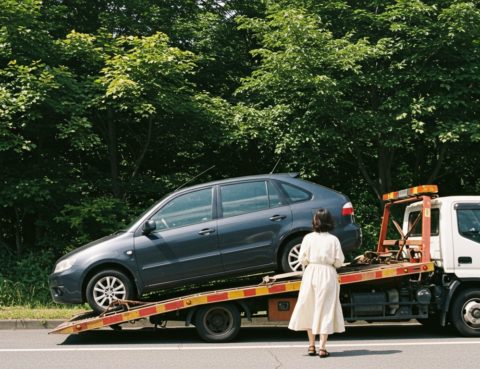
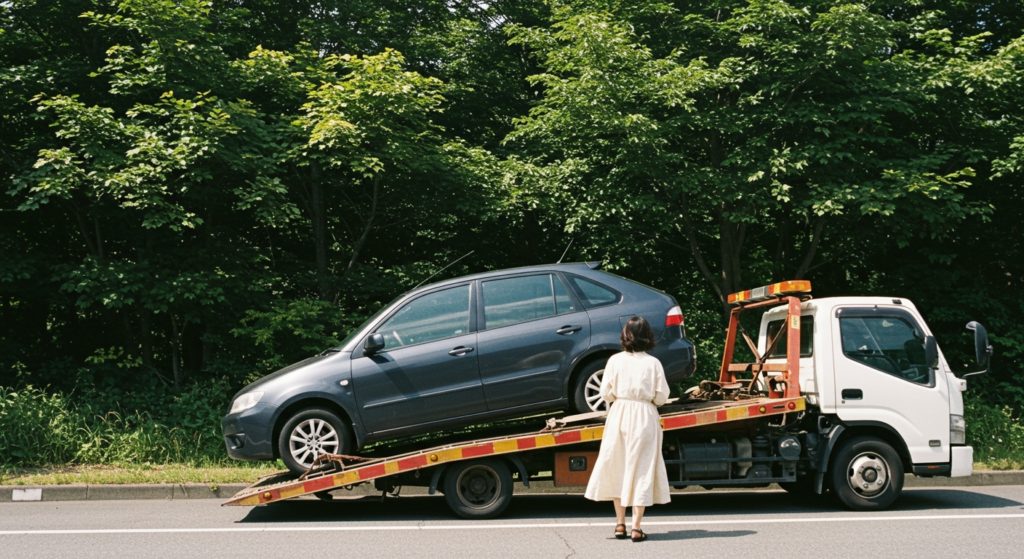
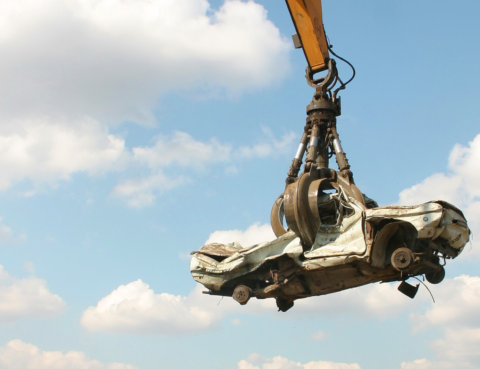
Recycling a car or selling scrap metal might seem straightforward, but the rules governing these transactions vary widely depending on where you live. Across the United States, local and state scrap and recycling laws are designed to protect consumers, prevent theft, and ensure vehicles are recycled in environmentally responsible ways.
If you are planning to recycle a vehicle, understanding these regulations can help you avoid delays, protect yourself legally, and ensure your car is handled by a compliant recycler. Below, we break down how scrap and recycling laws work nationwide, what they typically require, and where to find trusted local guidance.
Why Scrap and Recycling Laws Matter
Scrap and recycling laws exist for several important reasons:
- Preventing vehicle and metal theft through identity verification and transaction records
- Ensuring environmental compliance, particularly when vehicles contain hazardous fluids and materials
- Protecting consumers by requiring clear ownership documentation and transparent transactions
- Supporting responsible recycling practices that reduce environmental harm
Because vehicles are regulated differently than general scrap metal, working with a professional recycling network is often the safest and simplest way to stay compliant.
For a deeper look at how vehicles are responsibly dismantled and recycled, visit:
How Scrap and Recycling Laws Work Across the U.S.
While each state sets its own requirements, most scrap and vehicle recycling laws share a common framework.
Identification and Proof of Ownership
Most states require sellers to present a valid government-issued photo ID. When recycling a vehicle, additional documentation such as a title or proof of ownership is commonly required to ensure the car was acquired legally.
Transaction Records and Reporting
Licensed recyclers and scrap yards are often required to maintain detailed transaction records. Vehicle transactions are typically reported through national systems used by states to track ownership changes and prevent fraud.
Payment Rules
Some states restrict or regulate how sellers are paid for scrap metal or vehicles, particularly to reduce theft. These rules vary significantly by location.
Payment Rules
Vehicles contain fluids, batteries, and components that must be handled according to environmental regulations. Compliance with both state and federal environmental standards is a key part of lawful vehicle recycling.
Because these requirements change and differ by location, the most reliable approach is to work with a recycler that already understands and follows the rules where you live.
How SHiFT® Helps You Stay Compliant
Navigating scrap and recycling laws does not have to be complicated. The SHiFT Vehicle Retirement Initiative® connects vehicle owners with an elite national network of vetted recycling partners who understand and follow all applicable local, state, and federal regulations. We’ve partnered with SHiFT to offer junk car owners an eco-friendly and tax-deductible alternative to getting rid of their unused vehicles.
When you recycle through SHiFT®:
- Your vehicle is handled by licensed, compliant recyclers
- Environmental and safety standards are followed from start to finish
- Ownership documentation and reporting are managed correctly
- You gain peace of mind knowing your vehicle is recycled responsibly
SHiFT® is designed to remove uncertainty from the recycling process while supporting higher standards across the auto recycling industry.
State-Specific Recycling Guidance
Rather than navigating complex legal language on your own, we recommend starting with trusted local resources. Below are links to state-specific pages where you can learn more about recycling vehicles in your area.
- Colorado – Vehicle recycling and scrap regulations vary by county and municipality.
Learn more on our Colorado recycling page. - Washington – Washington places a strong emphasis on environmental compliance and proper vehicle dismantling.
Learn more on our Washington recycling page. - California – California has some of the most comprehensive environmental and recycling regulations in the country.
Learn more on our California recycling page. - Massachusetts – Scrap and vehicle recycling laws focus on consumer protection and proper documentation.
Learn more on our Massachusetts recycling page. - Georgia – Georgia regulates scrap metal transactions and vehicle recycling through state and local requirements.
Learn more on our Georgia recycling page. - Illinois – Illinois enforces detailed reporting and documentation standards for recyclers.
Learn more on our Illinois recycling page. - Oregon – Oregon emphasizes environmentally responsible vehicle dismantling and recycling practices.
Learn more on our Oregon recycling page. - Maine – Maine regulates vehicle recycling with a focus on safe material handling and disposal.
Learn more on our Maine recycling page. - Arizona – Arizona requires proper ownership verification and licensed recycling operations.
Learn more on our Arizona recycling page. - Florida – Florida has specific requirements for scrap dealers and vehicle recyclers to prevent theft and fraud.
Learn more on our Florida recycling page.
Tip: Always check your local or state guidance before recycling a vehicle, as requirements can change.
Frequently Asked Questions
Do scrap and recycling laws differ by state?
Yes. While many requirements are similar, each state sets its own rules regarding documentation, payments, and environmental compliance. Recycling with a certified salvage yard or buyer ensures that your vehicle is retired responsibly and in compliance with these regulations.
What documents do I usually need to recycle a car?
Most states require a valid photo ID and proof of ownership, such as a vehicle title. Requirements may vary by location. If you recycle with SHiFT® or sell with You Call We Haul, our team can help you.
Why should I work with a professional recycling network?
Licensed recyclers understand local laws, manage required reporting, and ensure vehicles are handled safely and legally.
Your End-Of-Life Vehicle Handled Properly
Understanding local scrap and recycling laws is an important step when getting rid of an old or unwanted vehicle. While the rules may vary, choosing a trusted recycling partner makes the process simpler, safer, and more responsible.
By working with You Call We Haul and the SHiFT® network, you can feel confident that your vehicle is recycled in compliance with the laws that matter most — both for you and for the environment.
If you’re ready to sell your junk car for cash, get started with You Call We Haul.
If you’re looking to get a polluting vehicle off the road and put it’s scrap value towards the future of automotive recycling, get started with SHiFT®.
The purpose of Earth Day is to raise environmental awareness and encourage people to safeguard the environment. One way that you can make a significant impact on the environment is to recycle your car for Earth Day. Recycling your car may not seem like an obvious way to celebrate Earth Day, but it is an essential step towards creating a more sustainable future.

Celebrate Earth Day by recycling your vehicle. SHIFT Vehicle Retirement Initiative™ is a social enterprise dedicated to assisting customers and businesses in properly recycling gas-powered automobiles using environmentally friendly practices. The program was developed to give those who are devoted to lowering their carbon footprint a reliable resource. SHIFT has reduced over 450,000 tons of carbon by retiring over 35,000 end-of-life vehicles. This program will properly recycle the car while simultaneously advancing more general social impact objectives. For more information on SHIFT, visit www.Shift4tomorrow.org.
Help the earth and reduce your carbon footprint by donating to SHIFT. Fill out a form to donate online or by calling (877) 957-2277!
How Recycling Your Car Helps
Recycling your car helps reduce the amount of waste that ends up in landfills. Car materials can take hundreds of years to degrade. Your car can be recycled to reuse these resources, reducing the need to harvest new raw materials from the environment. In addition, your car reduces the amount of energy needed to produce new cars. The production of new cars requires significant amounts of energy and resources, including oil, electricity, and water. By recycling your car, you can help reduce the demand for new cars, which, in turn, reduces the amount of energy required to produce them. If you’re looking for a way to make a positive impact on the environment this Earth Day, consider recycling your car. By doing so, you will be reducing waste, conserving energy, and supporting the Earth!
Recycling Your Car Through You Call We Haul
You Call We Haul makes getting cash for your junk car easy. Through our four-step process, live bids will be placed on your car, and you will be able to receive cash for your car! Looking to make some quick and easy cash for your junk car? Follow these simple steps:
1. Tell us about your car. Fill out our vehicle condition report and provide photos of your vehicle. When you add pictures, you increase your chance of receiving offers and the value of your junk car by 20%.
2. Receive cash offers! You’ll start to receive offers from buyers in as little as one hour! All cash bids are in real-time, so you’ll be able to accept the offer that gives you the most cash!
3. Free, easy pick-up A towing agent will contact you to schedule a pickup time that is most convenient for you. At no cost to you!
4. Get cash on the spot. Our network of buyers purchases all used, damaged, salvage, and non-functioning vehicles. You’ll receive a confirmation email that includes a receipt and cash upon pickup!
What are you waiting for? Want to sell your junk car and earn cash today? Call You Call We Haul at (866) 771-5865 or learn more by checking out our website! You Call We Haul!
Although electric vehicles are still slow to gain market share in the US automobile market, only representing 3% of all sales in 2021, many consumers still consider them the cars of the future. Many experts estimate that the 3% will grow to 10% by 2025, and even pass the 50% mark by 2050.
It appears people are still slow to get on board with purchasing an EV. Perhaps it could be there high price point. Or maybe it could be the many myths and stereotypes surrounding electric vehicles. Below is a list of 4 of the most common myths associated with electric vehicles.
Myth #1: EVs don’s have enough range limiting how far you can travel
According to the U.S. Department of Transportation, Americans drive an average of 40 miles a day. Even the shortest range electric vehicles can travel over twice that distance before needing a recharge. The most affordable Nissan Leaf can run an average of 150 miles with the more expensive models like the Tesla Model S maxing out at 335 per charge.
Myth #2: Electric vehicles are too expensive
Yes, it is true that electric vehicles are priced at a premium relative to gasoline powered cars. Although, there are opportunities for federal tax credit for specific makers and models. Also, there is the option to purchase a pre-owned EV. Pre-owned EVs typically have less wear and tear than gasoline pre-owned vehicles due to their range which also means they can be purchased with less mileage.
Myth #3: EVs are costly to maintain and repair
EVs actually cost less to keep running than gas powered vehicles. Electric vehicles don’t require oil changes or tune ups. There are also fewer moving parts that could eventually fail and need replacing. EVs have a simple one speed transmission and are produced without items such as spark plugs, valves, fuel tank, starter, and catalytic converter, to name a few.
Myth #4: They’re not greener than gas powered vehicles
Many argue EVS still indirectly pollute the atmosphere via the power plants that produce the electricity necessary to power them. However, in many states where EVs are popular, like California and New York, charging your EV will have less of an affect because of the renewable energy resources that are more prevalent in those states. Even in states where fossil fuels are more common, a study by the Union of Concerned Scientists found EVs are generally responsible for less pollution than conventional vehicles in all regions of the U.S.
Electric motors also convert nearly 75 percent of the chemical energy from the batteries to power the wheels, with the engines of gas powered vehicles only converting 20 of the energy stored in gasoline. Electric vehicles also do not emit any direct tailpipe pollutants.
Get Cash for Your Car with You Call We Haul
Are you looking to get rid of your car? You Call We Haul buy cars in any condition, regardless of age or model. You Call We Haul gets you the very best bid for your old or unwanted car. With our cash for cars service, you don’t just take the first bid available. We help you sell your old car by bidding it through our website. Don’t just take one offer, we can get you multiple offers on your vehicle. No other company or website can get you more money for your old car. Our nationwide network of buyers will place live bids on your car!
Junk or sell your car online for cash by going online or calling us at 866-771-5865!