5 Essential Title Tips for a Stress-Free Car Sale

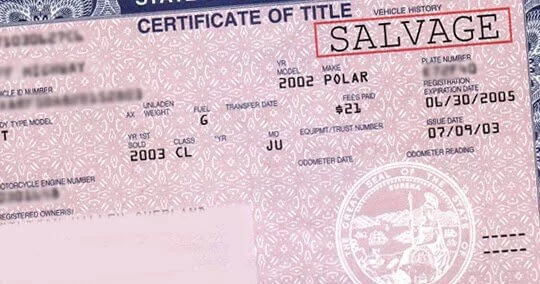
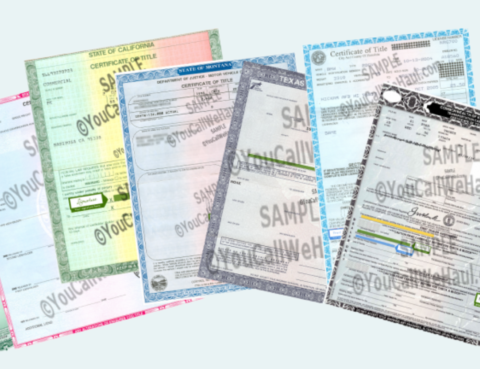
Selling your car should be a victory, not a paperwork nightmare. Whether you’re selling a pristine commuter or getting cash for a non-running junker, the title is the most important document in the deal. A single smudge or a missing middle initial can lead to weeks of delays at the DMV.

To ensure your sale goes off without a hitch, follow these five pro tips for handling your vehicle title.

1. Match Your Signature Exactly

Check how your name is printed on the front of the title. If it includes your full middle name or a suffix (like “Jr.”), you must sign and print your name exactly as it appears.

Pro Tip: Some states are incredibly strict—if the title says “Jonathan,” don’t sign “Jon.”

2. Aim for One-Take Accuracy

Think of your title as a legal contract. Any cross-outs, scribbles, or write-overs can void the document. Even if you are selling a non-functioning junk car, the DMV requires a clean paper trail to transfer ownership. If you make a mistake, you may have to apply for a duplicate title, which costs time and money.

3. Step Away from the White-Out

It might be tempting to fix a typo with correction fluid, but never use White-Out on a title. In the eyes of the DMV, this looks like an attempt to alter a legal document (fraud). A whited-out title is almost always rejected instantly, forcing you to start the replacement process from scratch.

Send Me Articles Like This

* indicates required

4. Clear Your Liens Early

If you ever had a loan on the vehicle, check if a lienholder is listed on the title. If they haven’t signed off on the document itself:

  • You must obtain a Lien Release letter from the bank.

  • The letter must include the VIN, Year, Make, and Model.

  • Check your local laws: Some states require this letter to be notarized.

5. Never Leave the Purchaser Section Blank

It might seem helpful to let the next person fill in their info, but leaving the “Purchaser” section blank is a huge risk. This is known as open titling, and it can leave you liable for tickets or accidents if the car isn’t registered correctly by the new owner. Always fill in the purchaser’s name immediately to ensure the hand-off is official.

Don’t guess your buyer’s info! At You Call We Haul, our buyers will provide you with all the information you need to correctly fill out the Purchaser information on your title.

Still need help? Let the title experts at You Call We Haul assist you! Call 866-771-5865.

REAL HELP FROM REAL PEOPLE

Selling a Junk Car?

Don’t let a messy title stand between you and your cash. Let the You Call We Haul experts help you navigate the paperwork so you can get that old car off your driveway fast.
Navigating Flood-Damaged Vehicles

They say April showers bring May flowers, but for many vehicle owners, the start of spring also marks the beginning of flood and hurricane season. As the weather turns wetter, it is the perfect time to talk about a difficult topic: what to do if the rising tide catches your car.

Whether you are dealing with a water-logged driveway now or preparing for the storms ahead, knowing how to handle a flood-damaged vehicle is essential for your safety and your wallet.

Beware of Opportunistic Buyers

After a natural disaster, there is often a surge of opportunistic buyers who try to pick up affected vehicles for very little money. Their goal is usually to pass these cars off as clean units later on without disclosing the damage.

To protect yourself and future drivers, only sell your flood-damaged vehicle to licensed dealers and dismantlers. These professionals understand the legal requirements and intricacies of hurricane and flood vehicles, ensuring the sale is handled properly.

Resist the Urge to Start the Engine

If you walk out to a flooded driveway, your first instinct might be to see if the car still runs. However, the safest course of action is to not attempt to turn on a flooded vehicle yourself.

This is especially critical for hybrid owners or if water reached the wheel wells. Attempting to start the car can cause permanent mechanical or electrical damage. Instead, contact an experienced tow service or a professional shop immediately.

Send Me Articles Like This

* indicates required

How to Assess the Damage

Before you decide on your next steps, look for these tell-tale signs of water intrusion:

  • Damp or muddy carpets and upholstery.

  • Electrical issues or dashboard warning lights.

  • Milky engine oil, which indicates water contamination.

  • Debris or silt trapped under the hood.

Document the damage and note how high the water reached. For a deeper dive into what to look for, watch this helpful video guide.

Selling an Owner Retained Unit

Sometimes an insurance company will pay out a claim but leave you in possession of the vehicle. This is known as an owner retained unit. You can absolutely sell these vehicles, but transparency is key. You must disclose the history of the hurricane, fire, or collision damage and include your salvage title to complete the sale.

Replacing a Lost Title

It is very common for important documents to go missing during a natural disaster. If your title was lost or destroyed in a storm, you can apply for a duplicate.

If you plan on selling your vehicle through You Call We Haul, we have resources to help. Click here to find state-specific instructions on how to replace a lost title so you can move forward with your sale.

Don’t let a flood-damaged car dampen your spring. Get an offer today and let our team of experts help you clear your driveway before the next storm hits.

YCWH Mobile Experience

So, you’ve hit submit on your vehicle listing at You Call We Haul. First off: great choice. You’ve just turned a driveway eyesore into a live auction. But if you’re wondering what goes on behind the scenes once that button is clicked, you’re in the right place.

Selling a car shouldn’t feel like a mystery. Here is the step-by-step breakdown of your car’s journey from listed to loaded onto a trailer.

1. Listing Confirmation

The moment you submit, check your phone and inbox. You’ll receive a confirmation email (and a text, if you opted in) letting you know we’ve received your details.

Pro Tip: If you didn’t upload photos during the initial sign-up, your confirmation will include a link to do so. Add them immediately! Listings with photos get significantly more attention and higher bids than those without.

2. The Bidding War Begins

Once your car is in our system, it’s visible to our network of vetted buyers. This is where the magic happens. Buyers will review your vehicle’s details and start placing bids.

While the buyers are looking at your car, our team is looking out for you. If we notice something missing—like a clear photo of the title or a specific angle of the vehicle—we’ll reach out. We want to make sure your listing is buyer-ready to fetch you the best price possible.

Send Me Articles Like This

* indicates required

3. Accepting a Bid

When a bid comes in, you won’t have to keep refreshing your browser. We’ll send you an email and/or text notification with a direct link to the offer.

From there, you have three choices:

  • Accept: You like the price? Great! Let’s get it moved.

  • Counter: Think it’s worth a bit more? Send a counter-offer back to the buyer.

  • Reject: Not the right fit? No hard feelings.

4. Connecting With the Buyer

Once you click Accept, the For Sale sign officially comes down. We’ll provide you with the buyer’s contact information, and they will reach out to you directly to schedule a pickup time that works for your schedule.

Even after you’ve accepted an offer, you aren’t on your own. The You Call We Haul team stays involved to facilitate the finish line. We help:

  • Coordinate pickup logistics.

  • Ensure all necessary documentation is gathered.

  • Follow up for feedback to make sure the process was seamless.

5. Pickup & Payday

The buyer arrives at the scheduled time, hitches up your car, and hands over the payment. Just like that, your car is gone, your pocket is heavier, and your driveway is clear.

Ready to see what your car is worth? Start your listing here and let our buyers do the work for you!

Why 2026 is the Year to Say Goodbye to Your 2013 Vehicle

We’ve all been there: sitting in the waiting room of a mechanic’s shop, staring at a repair estimate that feels more like a mortgage payment. You start doing the mental gymnastics. “If I fix the alternator now, the car should last another two years, right?”

But in the world of automotive finance, there is a cold, hard mathematical reality called Diminishing Returns.

In simple terms, diminishing returns is the point where the money you pour into an asset no longer increases its value or utility proportionally. For a car, it’s the moment your investment in repairs stops being a smart way to save money and starts being a way to lose it faster. When the cost to keep a vehicle roadworthy consistently exceeds its market value or the cost of a replacement, you aren’t saving a car, you’re subsidizing a sinking ship.

The 12-Year Wall: 2013 Vehicles are the 2026 Danger Zone

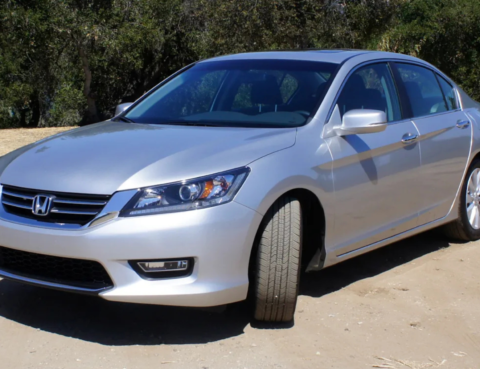
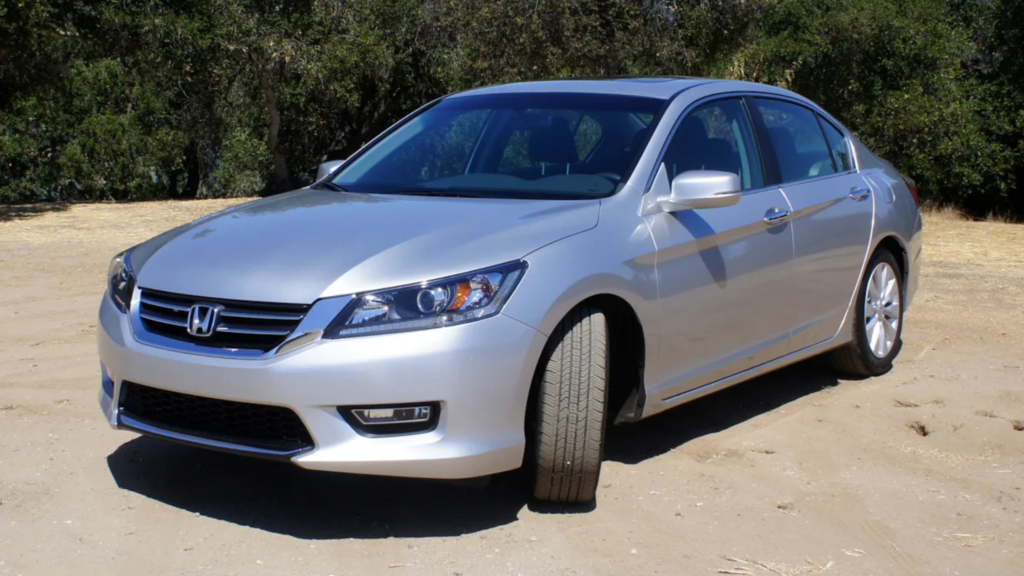
As of 2026, the 2013 model year has officially hit the “12-Year Wall.” While 2013 was a great year for reliable mid-size sedans and SUVs, time and mileage eventually catch up to even the best engineering.

Most 2013 vehicles now have between 140,000 and 170,000 miles. This is the specific window where “wear items” (like tires and brakes) transition into “major failures” (like transmissions, head gaskets, and complex electronics). In 2026, with labor rates and parts costs at an all-time high, a single major failure on a 2013 model can effectively “total” the car.

2026 Average Repair Costs vs. Vehicle Value

To see the math in action, look at how 2026 repair prices stack up against a 2013 vehicle with a typical market value of $4,000 – $6,000:

2026 Avg. Cost (Parts + Labor)

$750 – $1,100

% of Car’s Total Value

15% – 22%

Financial Status

✅ Routine Maintenance

2026 Avg. Cost (Parts + Labor)

$850 – $1,400

% of Car’s Total Value

17% – 28%

Financial Status

✅ Routine Maintenance

2026 Avg. Cost (Parts + Labor)

$2,200 – $3,500

% of Car’s Total Value

44% – 70%

Financial Status

⚠️ Warning Zone

2026 Avg. Cost (Parts + Labor)

$2,800 – $4,500

% of Car’s Total Value

56% – 90%

Financial Status

🚨 Critical Tipping Point

2026 Avg. Cost (Parts + Labor)

$3,800 – $6,200

% of Car’s Total Value

76% – 124%

Financial Status

🚫 Totaled

2026 Avg. Cost (Parts + Labor)

$5,200 – $9,500

% of Car’s Total Value

104% – 190%

Financial Status

🚫 Totaled

The Diminishing Returns Checklist

Not sure if your car is at the finish line? If you check more than two of these boxes, you have likely reached the point of diminishing returns:

  • The 50% Rule: Does this single repair quote exceed 50% of what the car is worth on the open market?

  • The Triple Threat: Does the car need three or more smaller fixes (e.g., tires, an oil leak, and a check engine light) that total over $2,500?

  • The Monthly Parity: Are your average monthly repair bills higher than a $450/month payment on a newer, warrantied vehicle?

  • Safety vs. Sunk Cost: Are you ignoring safety issues (like bald tires or soft brakes) because the car isn’t worth the fix?

  • Frequency of Failure: Has the car been in the shop more than three times in the last 12 months for non-routine issues?

Send Me Articles Like This

* indicates required

The Exceptions: 2013 Survivors to Maintain

There are always a few survivors that defy the diminishing returns rule. If you own one of the following, the math changes slightly:

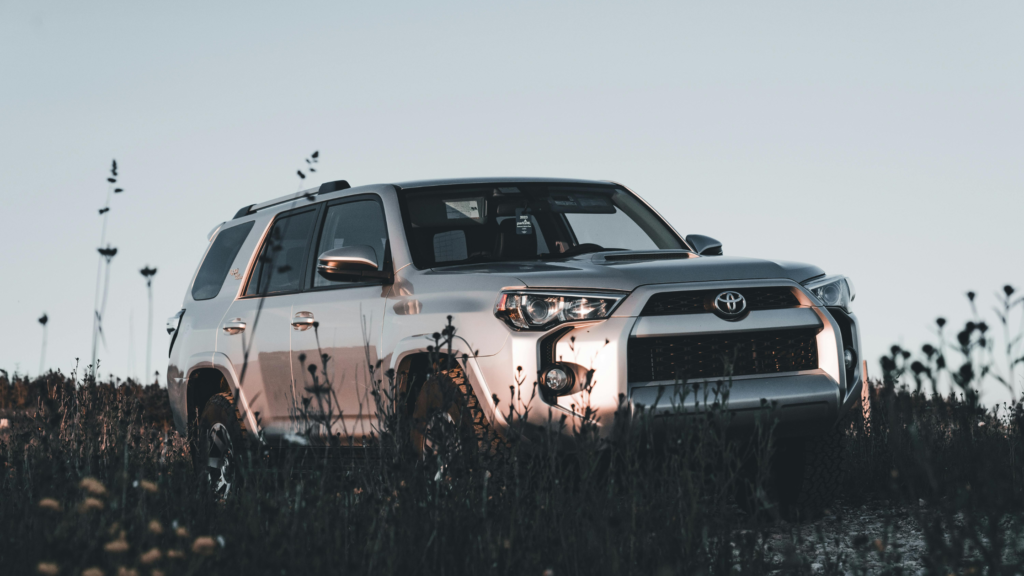
  1. High-Resale Icons: 2013 Toyota 4Runners, Jeep Wranglers, and heavy-duty diesel trucks hold their value incredibly well. A $4,000 repair on a truck still worth $15,000 is usually a smart move.

  2. Pristine Condition/Low Mileage: If your 2013 vehicle only has 60,000 miles and has been garage-kept, its utility value is higher than the average market price.

  3. Sentimental Value: Math doesn’t account for memories. If it’s your first car or a family heirloom, the return isn’t financial, it’s emotional. Just know that you are spending for love, not for logic!

Don’t Throw Good Money After Bad

If your 2013 vehicle has officially crossed into the “Totaled” category on our repair table, it’s time to stop the bleeding. Every dollar you spend on a car in a state of diminishing returns is a dollar that could have been a down payment on your next reliable ride.

Ready to turn that "Money Pit" into "Money in Your Pocket"?

At You Call We Haul, we specialize in taking those high-mileage, high-repair-cost vehicles off your hands. We offer a fast, fair, and seamless way to sell your car—regardless of its mechanical condition. Don’t let your 2013 model sit in the driveway losing more value every day.

Get an instant offer from You Call We Haul today and see what your car is worth…before the next repair bill arrives!

Stop Wondering "How Do I Sell My Junk Car?"

Trying to sell a junk car can be overwhelming. You might be asking: Where do I get the best price for my junk car? Is it even worth the effort? Who offers free junk car removal near me?

At You Call We Haul, we take the guesswork out of the process. If you’re ready to turn that clunker into cash, let’s clear up three common myths that might be holding you back.

Myth 1: No One Wants to Buy a Junk Car in My Condition

Many owners assume their car is too old or damaged to have value. This is a mistake! Whether your car is a total loss or just an old eyesore, it still has scrap value.

The Reality: You Call We Haul has a national network of licensed buyers and salvage yards. Even in remote areas, we have buyers looking for parts and scrap metal. One man’s junk car is another’s treasure. If you’re wondering, “Who will buy my junk car today?”—the answer is our nationwide network of professionals.

Myth 2: Selling a Junk Car is a Complicated Process

You might think you need to spend hours calling local scrap yards or listing on marketplaces.

The Reality: We’ve streamlined the process for the digital age. Our platform is mobile-friendly, allowing you to sell your car online in minutes.

  1. Submit Your Info: Give us basic details (Year, Make, Model).

  2. Upload Photos: This helps you maximize your instant offer.

  3. Get a Bid: Most owners receive a competitive bid within 1-2 business days.

Myth 3: I’ll Have to Pay for Junk Car Removal

A common fear is that the cost of a tow truck will eat up all your profit.

The Reality: You Call We Haul guarantees free towing for your junk car. Not only is our platform free to use, but we also ensure you don’t pay a cent for pick-up. You get a fair price for your vehicle and free removal—meaning more cash stays in your pocket.

Ready to Get Cash for Your Junk Car?

Don’t let that old vehicle take up space in your driveway any longer. With free towing, a national buyer network, and an easy online process, You Call We Haul is the smartest way to sell.

Send Me Articles Like This

* indicates required
The Truth About Instant Offers

In the 2026 automotive market, selling a junk car is no longer just about finding a guy with a tow truck in the yellow pages. The landscape has become faster and more data-driven, but it has also become noisier. While technology has made it easier to get a quote, it has also paved the way for AI slop—generic, bot-generated offers that look good on a screen but fall apart in the driveway.

At You Call We Haul, we believe the best way to sell your vehicle is to use technology as a tool, not a crutch. Here is how you can leverage modern AI to get a better price, spot phantom offers, and ensure a smooth, human-verified transaction.

Benchmarking Your Value with an AI Co-Pilot

Not all AI is doom and gloom. When used appropriately, AI can help arm you with information that shields you from scammers and low-ball offers.

Before you even request a quote, you can use AI to do the heavy lifting of market research. In years past, you’d have to manually check multiple scrap-value sites and local classifieds. Today, you can use an AI assistant to aggregate this data in seconds. By feeding a prompt to a tool like ChatGPT or Gemini, you can establish a floor price – the absolute minimum you should accept based on current commodity rates.

To get an accurate baseline, ask the AI for the current national average price per ton for automotive steel (which, in early 2026, has been hovering between $145 and $195 per ton). If you know your car’s curb weight, you can estimate its raw material value. Beyond just the metal, AI can help you identify high-demand components. For instance, if your vehicle is a specific year of a Toyota Prius or a Ford F-150, the “part-out” value of the hybrid battery or specialized catalytic converter might be higher than the scrap weight alone. Using AI to scan recent sales data on sites like iScrap App or eBay Motors can give you the leverage to say “no” to a lowball offer.

Defeating the Algorithm Lowball

Many modern car-buying sites use automated image recognition to appraise your vehicle. If you provide poor-quality photos, the algorithm is programmed to be risk-averse. It assumes the worst-case scenario—missing parts, engine damage, or severe rust—and automatically drops your offer by 15% to 20% to protect the buyer’s margin.

To get the most cash, you need to feed the algorithm better data. We recommend taking clear, high-resolution photos of the VIN plate, the dashboard (with the odometer visible), and the engine bay. High-quality imagery removes the risk variable from the equation. 

Or, avoid AI altogether with a service like You Call We Haul. We have a team of real humans reviewing your photos. Having low-quality images doesn’t automatically reduce buyer bids. However, when a buyer in our network sees a clear photo of a vehicle – no matter its condition – they can bid with confidence (and often with higher offers).

Spotting AI-Generated Scams and Phantom Offers

As AI has improved, so have the tactics of lead-gen scammers. You may encounter sites that offer an “Instant Guaranteed Payout” that seems too good to be true. Often, these are bot-generated numbers designed to capture your contact information. Once they have your lead, they sell it to the highest-bidding local yard, which then shows up at your house and negotiates the price down by hundreds of dollars, claiming the AI made a mistake.

You can spot these phantom offers by looking for a lack of human interaction. A reputable buyer will provide a breakdown of the offer and won’t hide behind a generic “computer says so” explanation. Furthermore, beware of AI-enhanced return fraud or buyers who ask you to use obscure third-party payment apps. A legitimate professional, like those in the You Call We Haul network, will always provide free towing and pay you directly at the time of pick-up.

The Importance of the Local Professional Network

While we use the best tech to connect buyers and sellers, every step of the process includes humans. Liquidating a vehicle requires local expertise to handle logistics and legal title transfers correctly. We strongly recommend working with buyers affiliated with recognized industry organizations that set the standard for ethical business practices:

By sticking to these networks, you ensure that your car is being handled by licensed and insured professionals who prioritize a clean, legal transaction over a quick, shady buck.

Technology with a Human Touch

Selling your junk car in 2026 doesn’t have to be a battle against the bots. By using AI as your research assistant and You Call We Haul as your trusted marketplace, you get the best of both worlds: the speed of modern technology and the reliability of a vetted, human-centered network. We’ve spent over a decade refining this process to make sure you’re protected from the gotchas and scams that plague the internet.

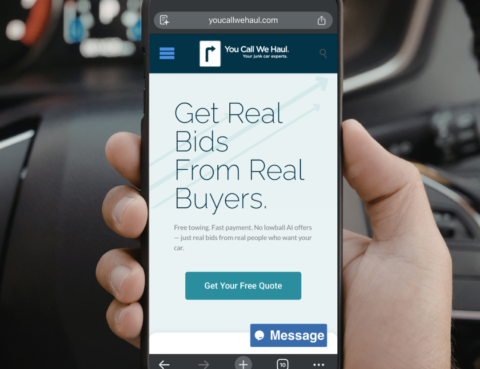
Ready to see what your car is actually worth? Upload your photos to You Call We Haul today and get real, competitive bids from our trusted network. No trickery, no AI slop – just real bids from real buyers

Send Me Articles Like This

* indicates required

Everyone knows the primary reason to buy a used car instead of a new one: the significantly lower price tag. However, the “cheapest” option isn’t always the best deal. If you don’t choose wisely, a bargain-bin used car can quickly become a money pit.

When shopping, you’ll likely face a choice between a standard used car and a Certified Pre-Owned (CPO) vehicle. While CPOs come with a higher price point, they offer manufacturer-backed inspections and warranties. So, which is right for you?

Here is how to navigate the used car journey and find the best value for your budget.

Know the Difference: Used vs. CPO

A standard used car is typically sold “as-is,” meaning once you drive off the lot, any mechanical failures are your responsibility. Certified Pre-Owned vehicles sit in the sweet spot between “used” and “new.” These are late-model, low-mileage cars that have passed a rigorous multi-point inspection by the manufacturer. While you will pay a premium for a CPO—often a few thousand dollars more—you gain a factory-backed warranty and the assurance that the car has been vetted by experts.

Send Me Articles Like This

* indicates required

Finding the Right Inventory

The search for a quality vehicle has moved almost entirely online, offering more transparency than ever before.

Depending on whether you want the protection of a CPO or the deep discount of a private sale, you should check these sources:

  • Listing Aggregators: Sites like Autolist, Autotrader, and Used Car Search Pro compile thousands of dealer listings in one place.
  • Online Retailers: Platforms like CarMax and Carvana offer “no-haggle” pricing and often have their own internal certification programs.

Private Party Sellers: These are individual owners typically found on Facebook Marketplace or Craigslist; this is where you’ll find the lowest prices, though they offer the least protection.

Budgeting Beyond the Sticker Price

Whether you pay cash or take out a loan, your budget should extend beyond the initial purchase price. A lot of people take out a loan to protect their savings and afford a newer, safer model, but you must also factor in the Total Cost of Ownership. This includes maintenance, insurance, and depreciation. A CPO vehicle might cost more per month, but because it’s usually a late-model car with a warranty, you are less likely to be hit with a massive repair bill in the first six months of ownership.

Your Pre-Purchase Checklist

Once you’ve found a potential car and verified its value through a pricing guide like Kelley Blue Book, you need to perform your due diligence. Before you sign any paperwork, make sure you have completed the following steps:

  • Run a Vehicle History Report: Use the VIN to check for past accidents, title issues, and previous owners.
  • The “Cold Start” Test: Listen for unusual noises or vibrations when the engine is first turned on.
  • Systems Check: Test the brakes, check the oil pressure, and ensure all safety features like airbags are functioning.
  • Professional Inspection: For non-CPO cars, it is always worth paying a mechanic for a quick pre-purchase inspection to find hidden “red flags.”
Total Cost of Ownership

Get Cash for Your Current Car with You Call We Haul

Are you looking to clear out your driveway before your new purchase arrives? You Call We Haul buys cars in any condition, regardless of age or model. We help you sell your old car by bidding it through our nationwide network of buyers, ensuring you don’t just take the first low-ball offer you receive. Our live bidding process gets you the most money possible for your unwanted vehicle.

Junk or sell your car online for cash today! Call us at 866-771-5865.

Top Factors Determining a Car's Resale Value

If you’re thinking about selling your car, you’ve probably noticed that resale values don’t always follow the same rules they used to. In today’s market, a vehicle’s worth is influenced by far more than a simple price guide. Buyer demand, condition, location, and even scrap material values all play a role in determining what your car is actually worth.

Understanding these factors can help you set realistic expectations—and make smarter decisions when it’s time to sell.

1. Vehicle Age and Mileage

Age and mileage are often the first details buyers look at, but they don’t tell the whole story.

Lower mileage vehicles typically command higher offers, especially if they’re newer models. That said, older vehicles with higher mileage can still hold meaningful value depending on demand for parts, materials, or specific components. Even cars that are no longer roadworthy may still appeal to buyers who specialize in repairs, resale, or recycling.

2. Make, Model, and Market Demand

Not all vehicles hold value the same way. Brand reputation, model reliability, and long-term demand all influence resale pricing.

Some makes and models consistently perform well in the secondary market due to their durability or popularity. Others may be worth more regionally depending on climate, terrain, or local driving habits. In some cases, discontinued or niche models can attract higher bids from specialized buyers looking for hard-to-find vehicles or parts.

3. Condition: Cosmetic vs. Mechanical

One of the biggest misconceptions sellers have is how much cosmetic damage affects value.

Mechanical condition matters far more than appearances. Issues with the engine, transmission, or frame tend to impact offers significantly, while minor dents, scratches, or interior wear usually matter less than expected. Buyers are often far more interested in whether a vehicle starts, runs, or has salvageable components than whether it looks perfect.

Being honest about your car’s condition upfront helps attract serious buyers and leads to stronger, more accurate offers.

4. Accident History and Title Status

Accidents don’t automatically eliminate your car’s value—but they do affect who will want to buy it.

Vehicles with prior accidents, salvage titles, or rebuilt titles often appeal to a different group of buyers than clean-title cars. These buyers specialize in repairs, parts recovery, or resale and know how to assess value beyond surface damage.

If your car has been in an accident and you’re unsure how that impacts your options, this guide breaks it down step by step: How to Sell a Car That’s Been in an Accident

How to Sell a Car That's Been in an Accident

If your car has been in an accident, you can still sell it quickly and safely. Learn the steps to get real bids, free towing, and fast pickup nationwide.

5. Location and Local Market Conditions

Where your car is located can influence its resale value more than many sellers realize.

Demand varies by region, and factors like towing logistics, population density, and local buyer competition all play a role. A vehicle that draws limited interest in one area may attract multiple buyers in another. Access to a nationwide network of buyers helps ensure your car is seen by the people most interested in it—no matter where you’re located.

Worried about towing fees? Sell with You Call We Haul and get free towing.

6. Parts Value, Scrap Material Prices, and Market Trends

For end-of-life or non-running vehicles, resale value often comes down to parts and materials.

Steel, aluminum, and other recyclable metals fluctuate in value based on market conditions. Components like catalytic converters and reusable parts can also significantly impact offers. Even vehicles that no longer run may still have substantial value when evaluated by buyers who understand material recovery and reuse.

Market timing can influence resale outcomes.

Seasonal demand, fuel prices, and inventory levels all affect buyer behavior. Waiting too long to sell a vehicle that’s already declining in condition can reduce its value, while acting at the right moment can lead to stronger offers. Seeing multiple bids at once helps sellers understand what their vehicle is worth right now—not months from now.

Ready to Dive Deeper Into Market Trends?

Check out Advanced Remarketing Services’s Wreckonomics™ reports.

Sell Smarter with You Call We Haul

In today’s market, a car’s resale value isn’t determined by estimates—it’s determined by real buyers.

You Call We Haul connects your vehicle with licensed buyers across the country who compete for it in real time. Whether your car is running, damaged, or no longer drivable, you can receive multiple offers, free pickup and towing, and complete transparency—without fees or obligation.

If you’re ready to see what your car is actually worth, You Call We Haul makes the process simple, fast, and pressure-free.

Send Me Articles Like This

* indicates required

Recycling a car or selling scrap metal might seem straightforward, but the rules governing these transactions vary widely depending on where you live. Across the United States, local and state scrap and recycling laws are designed to protect consumers, prevent theft, and ensure vehicles are recycled in environmentally responsible ways.

If you are planning to recycle a vehicle, understanding these regulations can help you avoid delays, protect yourself legally, and ensure your car is handled by a compliant recycler. Below, we break down how scrap and recycling laws work nationwide, what they typically require, and where to find trusted local guidance.

Why Scrap and Recycling Laws Matter

Scrap and recycling laws exist for several important reasons:

  • Preventing vehicle and metal theft through identity verification and transaction records
  • Ensuring environmental compliance, particularly when vehicles contain hazardous fluids and materials
  • Protecting consumers by requiring clear ownership documentation and transparent transactions
  • Supporting responsible recycling practices that reduce environmental harm

Because vehicles are regulated differently than general scrap metal, working with a professional recycling network is often the safest and simplest way to stay compliant.

For a deeper look at how vehicles are responsibly dismantled and recycled, visit:

How Scrap and Recycling Laws Work Across the U.S.

While each state sets its own requirements, most scrap and vehicle recycling laws share a common framework.

Identification and Proof of Ownership

Most states require sellers to present a valid government-issued photo ID. When recycling a vehicle, additional documentation such as a title or proof of ownership is commonly required to ensure the car was acquired legally.

Transaction Records and Reporting

Licensed recyclers and scrap yards are often required to maintain detailed transaction records. Vehicle transactions are typically reported through national systems used by states to track ownership changes and prevent fraud.

Payment Rules

Some states restrict or regulate how sellers are paid for scrap metal or vehicles, particularly to reduce theft. These rules vary significantly by location.

Payment Rules

Vehicles contain fluids, batteries, and components that must be handled according to environmental regulations. Compliance with both state and federal environmental standards is a key part of lawful vehicle recycling.

Because these requirements change and differ by location, the most reliable approach is to work with a recycler that already understands and follows the rules where you live.

How SHiFT® Helps You Stay Compliant

Navigating scrap and recycling laws does not have to be complicated. The SHiFT Vehicle Retirement Initiative® connects vehicle owners with an elite national network of vetted recycling partners who understand and follow all applicable local, state, and federal regulations. We’ve partnered with SHiFT to offer junk car owners an eco-friendly and tax-deductible alternative to getting rid of their unused vehicles.

When you recycle through SHiFT®:

  • Your vehicle is handled by licensed, compliant recyclers
  • Environmental and safety standards are followed from start to finish
  • Ownership documentation and reporting are managed correctly
  • You gain peace of mind knowing your vehicle is recycled responsibly

SHiFT® is designed to remove uncertainty from the recycling process while supporting higher standards across the auto recycling industry.

State-Specific Recycling Guidance

Rather than navigating complex legal language on your own, we recommend starting with trusted local resources. Below are links to state-specific pages where you can learn more about recycling vehicles in your area.

Tip: Always check your local or state guidance before recycling a vehicle, as requirements can change.

Looking for a state not listed? Click here.

Frequently Asked Questions

Do scrap and recycling laws differ by state?

Yes. While many requirements are similar, each state sets its own rules regarding documentation, payments, and environmental compliance. Recycling with a certified salvage yard or buyer ensures that your vehicle is retired responsibly and in compliance with these regulations.

What documents do I usually need to recycle a car?

Most states require a valid photo ID and proof of ownership, such as a vehicle title. Requirements may vary by location. If you recycle with SHiFT® or sell with You Call We Haul, our team can help you.

Why should I work with a professional recycling network?

Licensed recyclers understand local laws, manage required reporting, and ensure vehicles are handled safely and legally.

Your End-Of-Life Vehicle Handled Properly

Understanding local scrap and recycling laws is an important step when getting rid of an old or unwanted vehicle. While the rules may vary, choosing a trusted recycling partner makes the process simpler, safer, and more responsible.

By working with You Call We Haul and the SHiFT® network, you can feel confident that your vehicle is recycled in compliance with the laws that matter most — both for you and for the environment.

If you’re ready to sell your junk car for cash, get started with You Call We Haul.


If you’re looking to get a polluting vehicle off the road and put it’s scrap value towards the future of automotive recycling, get started with SHiFT®.

Send Me Articles Like This

* indicates required
The Best Road Trip Cars of 2026

Road trips are back in a big way—but the best road trip car isn’t always the newest or most expensive model on the lot. In 2026, some of the smartest road-trip vehicles are proven models from recent years that balance comfort, reliability, fuel efficiency, and environmental impact.

This list highlights 10 road-trip-ready vehicles you can realistically buy in 2026, whether new or used. Each option earns its spot by being affordable to own, dependable over long distances, and easier on the environment than traditional gas-guzzlers.

How We Chose the Best Road Trip Cars

Every vehicle on this list was selected using four core criteria:

Affordability

Strong value new or used, with reasonable ownership costs

Reliability

Consistent performance over time and fewer surprise repairs

Environmental Impact

High MPG, hybrid efficiency, or EV capability

Road-trip Comfort

Comfortable seating, cargo flexibility, and fatigue-reducing features

The Top 10 Best Road Trip Cars You Can Buy in 2026

Quick Picks by Road-Trip Style

  • Best MPG overall: Prius
  • Best midsize comfort: Camry Hybrid or Accord Hybrid
  • Best hybrid SUV: CR-V Hybrid or RAV4 Hybrid
  • Best budget EV: Bolt EUV
  • Best tech-forward EV: IONIQ 5

Toyota Prius
(Recent Model Years)

The Prius remains the gold standard for fuel efficiency. With excellent mileage and a reputation for reliability, it’s ideal for long highway drives with fewer fuel stops. Recent redesigns have also improved comfort and styling, making it more road-trip friendly than ever.

Best Choice For:
Solo travelers, couples, budget-minded adventurers

sell my toyota prius

Toyota Camry Hybrid
(Recent Model Years)

If you want comfort without SUV fuel costs, the Camry Hybrid delivers. Its smooth ride, spacious interior, and strong fuel economy make it a favorite for long-distance driving.

Best Choice For:
Families, frequent highway travelers, taller passengers

Honda Accord Hybrid
(Recent Model Years)

Quiet, comfortable, and efficient, the Accord Hybrid excels at long stretches of driving. It offers generous legroom and a refined ride that reduces fatigue on extended trips.

Best Choice For:
Daily commuters who also love long getaways

sell my honda accord hybrid

Honda Civic
(Gas or Hybrid)

The Civic strikes a strong balance between efficiency and comfort. Hatchback versions offer added cargo space, making it more versatile than many compact cars.

Best Choice For:
Drivers who want efficiency without sacrificing flexibility

Toyota Corolla
(Hybrid)

One of the most affordable ways to cut fuel costs, the Corolla Hybrid proves that compact cars can still handle serious road trips. It’s easy to drive, easy to park, and easy on your wallet.

Best Choice For:
First-time buyers, budget travelers, city-to-highway drivers

Kia Niro
(Hybrid)

Blending hatchback efficiency with crossover practicality, the Niro Hybrid is a sleeper hit for road trips. It offers excellent MPG and a higher driving position without the fuel penalties of larger SUVs.

Best Choice For:
Drivers who want space without excess

Honda CR-V
(Hybrid)

The CR-V Hybrid is one of the most balanced road-trip vehicles available. It offers room for passengers, pets, and gear while keeping fuel consumption lower than traditional SUVs.

Best Choice For:
Families, outdoor enthusiasts, pet owners

sell my toyota rav4 hybrid

Toyota RAV4
(Hybrid)

A long-standing favorite, the RAV4 Hybrid combines dependability, comfort, and efficiency. It’s a smart choice for drivers who want SUV utility without oversized fuel bills.

Best Choice For:
Frequent travelers who need versatility

Hyundai IONIQ 5
(EV)

One of the most road-trip-capable electric vehicles available, the IONIQ 5 offers a comfortable ride and fast-charging capability—making longer trips more realistic for EV drivers.

Best Choice For:
Drivers ready to ditch gas with planned charging stops

sell my hyundai ioniq 5
sell my chevrolet bolt euv

Chevrolet Bolt EUV
(EV)

The Bolt EUV is one of the most affordable EVs you can road trip in 2026. With solid range and low operating costs, it’s an accessible entry point into electric travel.

Best Choice For:
Budget-conscious EV shoppers

Upgrade Your Road Trip Ride with You Call We Haul

Road trips are more enjoyable when your car is reliable, efficient, and comfortable. If you’re ready to upgrade to one of these road-trip-ready vehicles in 2026, selling your current car is a smart place to start.

With You Call We Haul, you’ll get real bids from real buyers in your area, free pickup and towing, and no fees or commitment when you list your vehicle. Sell your old car on your terms—and put that value toward your next road trip upgrade.

Send Me Articles Like This

* indicates required
Page 1 of 21 2

© Copyright 2007 - 2025 You Call We Haul. All rights reserved.Privacy Policy|Terms of Use