
myths about electric vehicles featured image

Although electric vehicles are still slow to gain market share in the US automobile market, only representing 3% of all sales in 2021, many consumers still consider them the cars of the future. Many experts estimate that the 3% will grow to 10% by 2025, and even pass the 50% mark by 2050.

It appears people are still slow to get on board with purchasing an EV. Perhaps it could be there high price point. Or maybe it could be the many myths and stereotypes surrounding electric vehicles. Below is a list of 4 of the most common myths associated with electric vehicles.

Myth #1: EVs don’s have enough range limiting how far you can travel

According to the U.S. Department of Transportation, Americans drive an average of 40 miles a day. Even the shortest range electric vehicles can travel over twice that distance before needing a recharge. The most affordable Nissan Leaf can run an average of 150 miles with the more expensive models like the Tesla Model S maxing out at 335 per charge.

Myth #2: Electric vehicles are too expensive

Yes, it is true that electric vehicles are priced at a premium relative to gasoline powered cars. Although, there are opportunities for federal tax credit for specific makers and models. Also, there is the option to purchase a pre-owned EV. Pre-owned EVs typically have less wear and tear than gasoline pre-owned vehicles due to their range which also means they can be purchased with less mileage.

Myth #3: EVs are costly to maintain and repair

EVs actually cost less to keep running than gas powered vehicles. Electric vehicles don’t require oil changes or tune ups. There are also fewer moving parts that could eventually fail and need replacing. EVs have a simple one speed transmission and are produced without items such as spark plugs, valves, fuel tank, starter, and catalytic converter, to name a few.

Myth #4: They’re not greener than gas powered vehicles

Many argue EVS still indirectly pollute the atmosphere via the power plants that produce the electricity necessary to power them. However, in many states where EVs are popular, like California and New York, charging your EV will have less of an affect because of the renewable energy resources that are more prevalent in those states. Even in states where fossil fuels are more common, a study by the Union of Concerned Scientists found EVs are generally responsible for less pollution than conventional vehicles in all regions of the U.S.

Electric motors also convert nearly 75 percent of the chemical energy from the batteries to power the wheels, with the engines of gas powered vehicles only converting 20 of the energy stored in gasoline. Electric vehicles also do not emit any direct tailpipe pollutants.

Get Cash for Your Car with You Call We Haul

Are you looking to get rid of your car? You Call We Haul buy cars in any condition, regardless of age or model. You Call We Haul gets you the very best bid for your old or unwanted car. With our cash for cars service, you don’t just take the first bid available. We help you sell your old car by bidding it through our website. Don’t just take one offer, we can get you multiple offers on your vehicle. No other company or website can get you more money for your old car. Our nationwide network of buyers will place live bids on your car!

Junk or sell your car online for cash by going online or calling us at 866-771-5865!

Send Me Articles Like This

* indicates required
Switching to Electric blog image

Are you considering making the switch to an electric vehicle from your old gas-powered car? If you are, here are some benefits of making the switch: Less carbon emissions Cheaper fueling costs No congestion charges Advantages of renewable electricity tariffs Reduce noise pollution Source: EDF Energy How to Sell Your Old Car Now that you…
As major improvements have been made to the electric vehicle industry, companies such as Tesla and Polestar have been at the forefront for the push for consumers to purchase electric cars. There are three different types of electric cars which includes hybrid electric, plug-in-hybrid, and battery electric vehicles. Believe it or not, electric vehicles were…

Depending on where you are, flowers could be blooming or roads could still be icy and salt-littered. No matter your location, spring is on its way.  It’s almost time to start the annual Spring Cleaning. A great place to start and to get some extra green for your wallet is to sell a junk car….
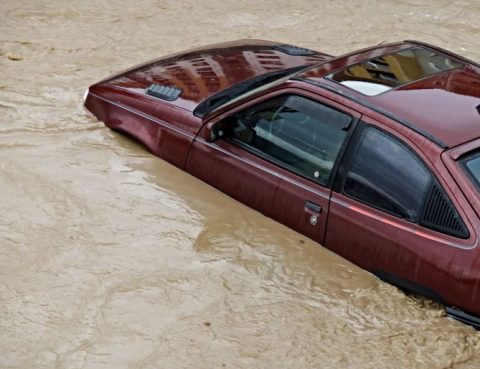
Hurricane Florence Flood Vehicle

What to Do If You Have a Hurricane Florence Flood Vehicle As the waters recede, folks in the coastal areas of the Carolinas are beginning to asses and repair damages to their property. The damage from the category 1 hurricane and the subsequent rain and flooding that followed was substantial and displaced many throughout the…
Vechicle Data

Vehicle Data: What Can it Actually Improve? Auto Manufacturers Now Use Vehicle Data to Improve Fuel-Efficiency and Lower Emissions   In an era in which vehicle data can be pulled from almost anything, auto manufacturers are beginning to take advantage of this competitive market approach.  Most of us do not know this, but auto manufacturers are using…

process of recycling a car

Learn whats happens during the process of recycling a car and the benefits it has on the enviroment and resources. Recycling is a verb that you hear everyday.  It’s something that almost all companies, people, and states try to do because of it’s well-known, positive environmental impact.  While everyone understands what recycling is, not all…
Recycling Junk Cars

The Benefits of Recycling Your Junk Cars You hear advertisements for junk-my-car or cash-for-junk-car companies on the radio almost every time a commercial break comes on. Typically you just change the channel and don’t pay any attention to the ad, just like the rest of us.  The idea of getting cash for a hunk of…

© Copyright 2007 - 2025 You Call We Haul. All rights reserved.Privacy Policy|Terms of Use