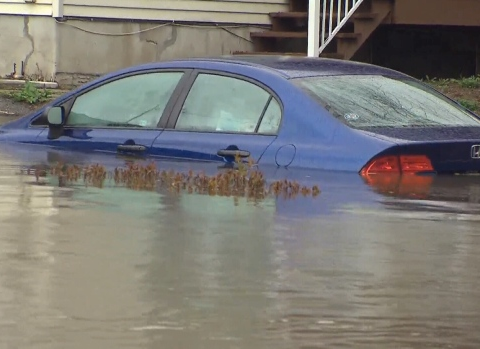
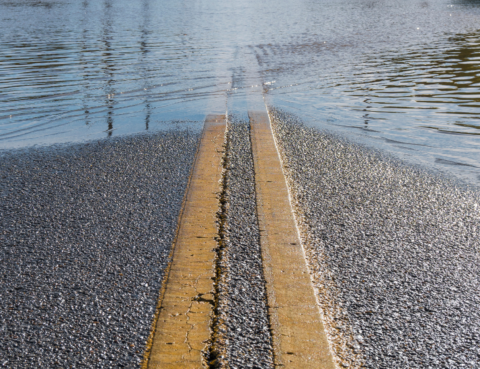
Hurricane season starts this month. While most people are worried about the wind and rain, there’s a different kind of threat heading for your driveway.

Every year, thousands of cars are submerged in floodwaters. These vehicles are rotting from the inside out, yet scammers find ways to put them back on the market with a “clean” title. It’s called title washing, and it’s a flat-out scam designed to take your hard-earned money.

What Is Title Washing?

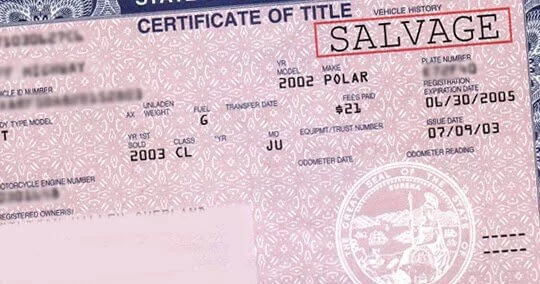
When a car is totaled by a flood, insurance companies brand the title as Salvage or Flood. This tells any future buyer that the car is compromised.

Scammers hate those brands because they can’t sell the car for full price. So, they move the car to a state with laxer laws, register it there, and wash that brand off the document. They’re betting that you won’t look close enough to see the damage they’ve tried to hide.

Salvage Title Example
Credit: DirtLegal.com

Why It Matters to You

Driving a flood-damaged car isn’t just a bad investment—it’s dangerous.

  • Failed Electronics: Saltwater eats through wiring. Your airbags might not deploy, or your engine could simply quit while you’re on the highway.

  • Invisible Mold: Mildew trapped in the vents and seats is a health hazard you can’t always see.

  • Structural Rot: If the frame is rusting from the inside, the car won’t protect you in a crash.

5 Ways to Spot a Flood Scam

Don’t trust a piece of paper. Trust your eyes and your gut. Look for these red flags:

  • The Smell: If the car smells like a locker room—or if it smells like it was just hosed down with industrial-strength bleach—walk away.

  • The Grit Test: Run your hand under the seats or behind the dashboard. If you feel fine silt or sand, that car was underwater.

  • Premature Rust: Look at the unpainted bolts under the seats or the springs under the dash. If they’re rusted, that’s a high-water mark.

  • Mismatched Carpets: If the carpet looks brand new but the rest of the interior is worn, someone might be trying to hide water damage.

  • The Price Tag: If a deal looks too good to be true right after a major storm, it probably is.

How to Protect Your Wallet

You don’t have to be an expert to avoid getting scammed. Follow these three steps:

  1. Check the NMVTIS: Go to vehiclehistory.gov. This is the federal database that scammers can’t easily manipulate. If it says “Salvage” there, it doesn’t matter what the paper title says.

  2. Get an Inspection: Spend the $100 to have a mechanic you trust put the car on a lift. They’ll see the mud and corrosion that a car wash can’t reach.

  3. Buy Reputable: Stick to dealers with a physical address and a reputation to protect. If a guy is selling a car in a parking lot for cash only, he’s probably looking for an easy mark.

You deserve a car that’s safe and worth what you paid for it. Don’t let a title washer sell you a lemon just because the seasons are changing.

Send Me Articles Like This

* indicates required
Navigating Flood-Damaged Vehicles

They say April showers bring May flowers, but for many vehicle owners, the start of spring also marks the beginning of flood and hurricane season. As the weather turns wetter, it is the perfect time to talk about a difficult topic: what to do if the rising tide catches your car.

Whether you are dealing with a water-logged driveway now or preparing for the storms ahead, knowing how to handle a flood-damaged vehicle is essential for your safety and your wallet.

Beware of Opportunistic Buyers

After a natural disaster, there is often a surge of opportunistic buyers who try to pick up affected vehicles for very little money. Their goal is usually to pass these cars off as clean units later on without disclosing the damage.

To protect yourself and future drivers, only sell your flood-damaged vehicle to licensed dealers and dismantlers. These professionals understand the legal requirements and intricacies of hurricane and flood vehicles, ensuring the sale is handled properly.

Resist the Urge to Start the Engine

If you walk out to a flooded driveway, your first instinct might be to see if the car still runs. However, the safest course of action is to not attempt to turn on a flooded vehicle yourself.

This is especially critical for hybrid owners or if water reached the wheel wells. Attempting to start the car can cause permanent mechanical or electrical damage. Instead, contact an experienced tow service or a professional shop immediately.

Send Me Articles Like This

* indicates required

How to Assess the Damage

Before you decide on your next steps, look for these tell-tale signs of water intrusion:

  • Damp or muddy carpets and upholstery.

  • Electrical issues or dashboard warning lights.

  • Milky engine oil, which indicates water contamination.

  • Debris or silt trapped under the hood.

Document the damage and note how high the water reached. For a deeper dive into what to look for, watch this helpful video guide.

Selling an Owner Retained Unit

Sometimes an insurance company will pay out a claim but leave you in possession of the vehicle. This is known as an owner retained unit. You can absolutely sell these vehicles, but transparency is key. You must disclose the history of the hurricane, fire, or collision damage and include your salvage title to complete the sale.

Replacing a Lost Title

It is very common for important documents to go missing during a natural disaster. If your title was lost or destroyed in a storm, you can apply for a duplicate.

If you plan on selling your vehicle through You Call We Haul, we have resources to help. Click here to find state-specific instructions on how to replace a lost title so you can move forward with your sale.

Don’t let a flood-damaged car dampen your spring. Get an offer today and let our team of experts help you clear your driveway before the next storm hits.

flooded vehicles

Be wary when looking at that used vehicle with a price that is too good to be true.  After Hurricane Florence, make sure to do your homework when purchasing a used vehicle. A new CarFax report states that almost 500,000 flooded vehicles are in use, either driving or on the market to be sold.  That…

© Copyright 2007 - 2025 You Call We Haul. All rights reserved.Privacy Policy|Terms of Use