SHiFT auto recycling

When it comes time to part ways with an older car, taking a cash offer or navigating private online sales isn’t your only option. If you are looking to maximize your financial return while making a tangible environmental difference, retiring your car through the SHiFT Vehicle Retirement Initiative® provides a powerful alternative. By choosing retirement over a traditional sale, you can trade your keys for a valuable tax receipt, clear heavy emissions off the road, and support your local community.

Convert Your Car Into Real Tax Value

Navigating private listings, classifieds, and endless buyer messages often yields far less than your vehicle’s true worth. Choosing to retire your vehicle through SHiFT turns your car into an official charitable tax deduction. Depending on your tax bracket, an itemized deduction can frequently deliver a better net financial return at tax time than settling for a low cash offer.

SHiFT auto recycling

Guarantee True Environmental Integrity

Unlike standard buyers who might resell an old, high-emitting car to continue polluting local neighborhoods, SHiFT guarantees permanent engine retirement. Participating recyclers sign binding affidavits to safely disable the engine block, ensuring heavy tailpipe emissions are permanently taken off the road.

Invest in Local Communities & Circular Economies

While the engine is permanently disabled, usable non-engine components are salvaged to keep other vehicles running smoothly. This preserves valuable materials and reduces the heavy industrial energy needed to manufacture brand-new auto parts. Strict environmental guidelines also guarantee that hazardous materials—like motor oil, coolant, and refrigerants—are safely harvested rather than contaminating local soil and water.

SHiFT works directly with certified local dismantlers, automotive recyclers, and shredders. Additionally, your vehicle donation proceeds go to ARTI – a nationally-recognized auto recycling training institute committed to the highest standard education and development of professional recyclers. By recycling your vehicle with SHiFT, you’re supporting regional small businesses and helping fund jobs right in your community. 

Enjoy an Effortless, Free Process

Choosing vehicle retirement comes with complete peace of mind. You receive 100% free towing scheduled at your convenience, alongside seamless paperwork handling to make your tax donation completely hassle-free.

Before you post your car for sale, consider giving your old ride a purposeful final mile. Retire your vehicle through SHiFT, claim your tax break, and make a lasting green impact today.

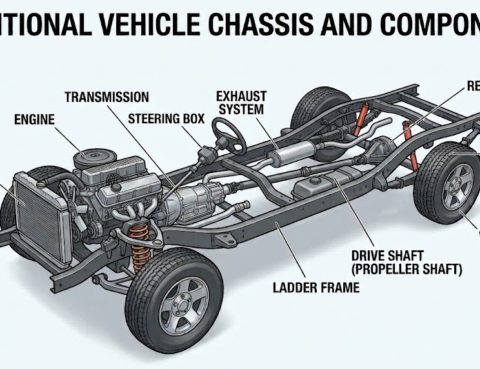
Traditional Vehicle Chassis and Components

When you look at that old clunker gathering dust in your driveway, what do you see?  A fading paint job?  Flat tires?  A giant lawn ornament?  At You Call We Haul, we see something completely different.  We see a two-ton treasure trove of high-grade steel, versatile aluminum, and precious trace metals just waiting to be recycled and put back to work.

A car is an absolute marvel of metallurgy.  If you’ve ever wondered exactly how much metal goes into the average vehicle—and why those metals make your junk car valuable—buckle up. We’re breaking down the heavy truth about what’s hiding under the hood.

The Basic Breakdown: Weighing In

The average vehicle on the road today weighs somewhere between 2,500 and 6,000 lbs, with some pickups exceeding 7,000 lbs.  Of that massive footprint, a staggering 75% to 80% is pure metal.  But automakers don’t just pour a single type of metal into a mold and call it a day.  Building a car requires a highly calculated recipe of different alloys—each chosen for specific properties like safety, heat resistance, or fuel efficiency.

Here is exactly how that weight is distributed:

Classic 1970s Cruiser

Modern Sedan

Modern EV

~75%

60%

~45%

Classic 1970s Cruiser

Modern Sedan

Modern EV

~2%

10%

~15%

Classic 1970s Cruiser

Modern Sedan

Modern EV

~10%

5%

~2%

Classic 1970s Cruiser

Modern Sedan

Modern EV

~1%

2%

~3%

Classic 1970s Cruiser

Modern Sedan

Modern EV

~0%

0%

~15%

Classic 1970s Cruiser

Modern Sedan

Modern EV

~12%

23%

~20%

The Big Three: Steel, Aluminum, and Iron

To understand why your car is built the way it is, you have to look at the “Big Three” metals that make up its DNA.

1. Steel

Steel is the undisputed king of automotive manufacturing.  Making up roughly 60% of your car’s total weight, steel is responsible for keeping you safe.  Automakers use Advanced High-Strength Steels (AHSS) in the chassis, door beams, and crumple zones to absorb impact during a collision.  It’s also the primary material for your vehicle’s roof and body panels.

2. Aluminum

Over the last decade, automakers have been putting cars on a serious diet, and aluminum is their secret weapon.  Accounting for about 10% of a modern car’s weight, aluminum is incredibly lightweight and resistant to rust.  You’ll find it in engine components, transmission housings, alloy wheels, and increasingly, body panels.

Fun Fact: When the Ford F-150 transitioned to an aluminum body in 2015, the truck shed 700 pounds, drastically improving its fuel economy without sacrificing towing power.

3. Iron

Iron may be significantly heavier than aluminum, but it brings unmatched durability and heat resistance to the table.  Found primarily in engine blocks, brake rotors, and drivetrain components, iron handles the high-stress, high-friction environments that would melt or warp lesser metals.

The Hidden Treasures

Beyond the structural metals, your car is laced with smaller amounts of highly valuable trace materials.

  • Copper: Thanks to its brilliant electrical conductivity, a modern vehicle contains anywhere from 40 to 90 pounds of copper wiring to power everything from the starter motor to your heated seats.
  • Platinum, Palladium, & Rhodium: Found inside your catalytic converter, these precious metals are used to filter and neutralize harmful exhaust emissions.
  • Lithium, Cobalt, & Nickel: As the automotive world shifts toward Electric Vehicles (EVs), these non-traditional battery metals are becoming some of the most sought-after materials on the planet.

Don't Let Your Metal Rust in Peace

The automotive industry is constantly evolving, blending new carbon composites and advanced alloys into the cars of tomorrow.  But the fundamental truth remains the same: metal is the backbone of every car on the road, and it holds serious value.  

When a car reaches the end of its life, letting it rot in your yard isn’t just an eyesore—it’s a waste of perfectly recyclable resources.  That steel, aluminum, and copper can be melted down, refined, and given a second life in new cars, appliances, and infrastructure.  


Ready to cash in on all that metal?

At You Call We Haul, we make it effortless to turn your unwanted vehicle into cash.  We don’t care if it’s missing a bumper, completely totaled, or hasn’t started in years.  We’ll get you a real bid from a real buyer…and the best part?  Our buyer comes to you to tow it away for free, and pays you on the spot.  Stop letting your metal rust in peace. 

Click here to get your free, no obligation cash offer today!

Navigating the Vehicle Intake Form

Ready to sell your car, but new to the process and not sure what information you need? Maybe it’s been a few years and the terms are vaguely familiar, but where exactly you get the info is alluding you. 

In this article we take you step-by-step through the You Call We Haul vehicle intake form, explaining each item and where you can quickly find the information.

Getting Started: Mobile or Desktop?

The You Call We Haul vehicle intake form can be filled out on your mobile device, tablet, or desktop. We recommend using your mobile device – it makes uploading pictures a breeze – but any device works fine!

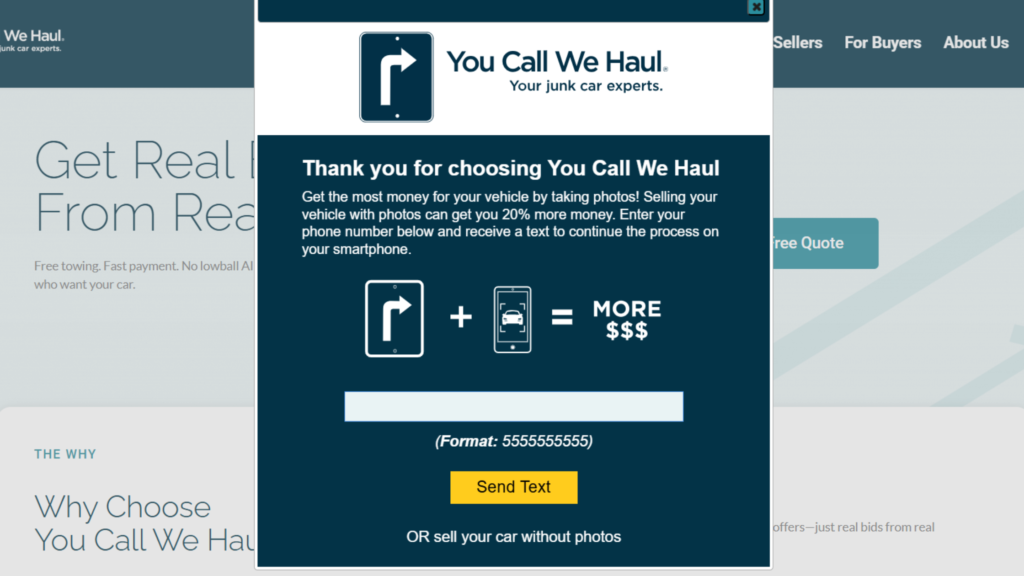
When you get started, you’ll see this pop-up form appear. If you want to upload pictures of your vehicle (which we highly recommend), enter your phone number and click “Send Text”. 

Within a few seconds you’ll receive a text with a link to continue continue the process on your mobile device.

If you’re unable to use your mobile, you can click “sell your car without photos” just below the Send Text button and it will take you to the form.

I have photos, but they’re on my desktop

If you have pictures of your car, but you want to upload them from your computer, that’s no problem! You’ll continue with the “No Photos” form, and receive an email with a link to upload them once the form has been submitted.

You Call We Haul Intake Pop-Up

Vehicle Information Fields

The first part of the form (for both mobile and desktop) consists of the vehicle information fields. All of the items needed here can be found:

  1. On the vehicle
  2. On your vehicle registration
  3. On your vehicle title


VIN

The Vehicle Identification Number (VIN) is the 16-digit number/letter combination that is unique to your vehicle. On the mobile form, you can take a picture of the VIN number (located on your driver’s side dashboard). On the desktop, you type it into the field. You can then select “Lookup VIN” and our systems will automatically fill out the Year, Make, and Model fields of your intake form.

Year / Make / Model

These are the identifiers most often used when talking about a vehicle – “I drive a 2003 Jeep Grand Cherokee.” Within that sentence, 2003 is the year; Jeep is the Make; and Grand Cherokee is the Model.

If you’re unsure about your vehicle’s information, it can easily be found on your registration or title.

Body Style / Color

On the You Call We Haul vehicle intake form, the Body Style field will populate a drop-down menu of options based on the vehicle Make / Model information that is entered. 

The easiest place to find this information is on the sticker located on the door frame when you open the driver’s door. You can also use the NHSTA VIN decoder website to get manufacturer-reported data on body style.

A drop down menu of colors will automatically populate for you. Choose the color that most closely matches your vehicle.

Mileage

This is very important information that cannot be left blank. Your mileage can be found on the odometer on your dashboard – be sure to look at your vehicle’s total mileage and not one of the Trip mileage readouts.

Condition & Title Fields

The next portion of the form consists of essential questions regarding the condition of the vehicle.

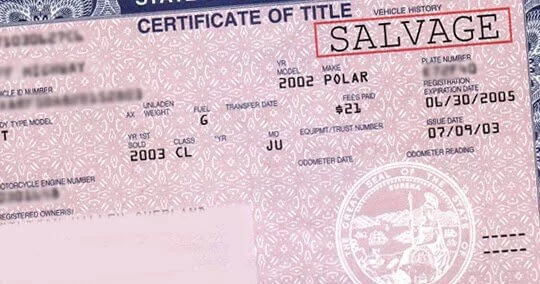
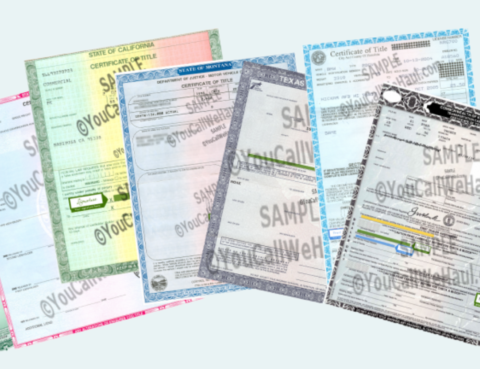
How do I know if I have a salvage title?

Salvage titles are very specific documents that are distributed by insurance companies after a vehicle is determined to be undrivable. Your title will very clearly be marked as “Salvage” or “Junk”.

Salvage Title Example
Credit: DirtLegal.com

Wheels mounted/tires inflated

Are the wheels securely attached to the vehicle so that it may be driven? Are the tires inflated or flat?

Vehicle Notes Can Help Get Better Bids

The vehicle notes section is where you can share any details about your vehicle. Most often, sellers use this to talk about the negative aspects of their vehicles – damage, broken, or missing parts. Listing the negative isn’t a bad thing. In fact, it can help speed-up bids on your vehicle.

However, you can also list positive aspects that could increase bids on your vehicle – new tires, upgrades, customizations, limited edition features, etc.

Whatever details you include, be sure to take photos of and upload as verification and visualization tools for our buyers.

Final Steps to Submit

Finally, you’ll share some contact info, click submit, and your listing is off to our buyers!

If you get stuck or aren’t sure what to put in a certain section, our team of professionals are here to help! Give us a call at 866-771-5865.

Send Me Articles Like This

* indicates required
GET REAL

Ready to Get a Real Offer?

It’s fast, free, and there’s zero obligation. Let real buyers make you a real offer today.

Selling a vehicle—especially one that’s seen better days—can often feel like a gamble. You’re looking for a fair price, a quick pickup, and a buyer who actually shows up. At You Call We Haul, we’ve removed the guesswork with our Affiliate Partners. While we work with a massive nationwide network, our Affiliate Partners represent the “best of the best.” These top-tier buyers are vetted for speed and reliability, ensuring that when you’re ready to sell, you’re connecting with the most responsive pros in the industry.

Top 3 Benefits for You, The Seller

1. The “Fast Pass” to an Offer

In the world of car buying, speed is everything. Because our Affiliate Partners have exclusive access to select vehicles in their region, your car doesn’t just sit in a massive pile of listings. It goes to the front of the line. This means you get a response—and an offer—faster than you would with a standard buyer.

2. Reliability You Can Set Your Watch To

We’ve all heard the horror stories of ghost buyers who promise a pickup and then disappear. Our Affiliate Partners are held to a higher standard of professionalism. When they say they’ll be there with a tow truck at 2:00 PM, they mean it. You get a smoother experience and fewer headaches.

3. Specialized Expertise (and Better Prices)

Our Affiliates aren’t just generalists; they are experts in used, damaged, and end-of-life vehicles. Because they know exactly how to handle everything from a high-mileage commuter to a total wreck, they can often provide more competitive offers based on the actual salvage or resale value in your local market.

Affiliates Near Me

Search by state or city to find You Call We Haul Affiliate Partners in your area.

Frequently Asked Questions (FAQs)

Does it cost me more to work with an Affiliate Partner?

Not a cent. Our service is 100% free for sellers. Think of the “Affiliate” tag as a VIP badge that we’ve vetted for you. You get the premium service without the premium price tag.

My car hasn't started since the Bush administration. Will they still buy it?

Absolutely. Whether it’s a gently used SUV or a permanent lawn ornament that’s seen better days, our Affiliate Partners specialize in vehicles in all conditions. If it has four wheels (or even three), they want to talk to you.

How do I know if I'm connected with an Affiliate Partner?

Our system handles the heavy lifting behind the scenes. Based on your location and vehicle type, we automatically route your submission to the best-matched buyer. If an Affiliate is active in your area, they’ll be the ones reaching out to give you that top-tier experience.

What happens after I accept an offer?

The “Haul” part of our name kicks in! Your Affiliate Partner will coordinate a pickup time that works for you, handle the paperwork, and ensure you get paid. It’s designed to be the easiest thing you do all week.

What if my experience is less than Top Tier?

We take the Affiliate title seriously, and we expect our partners to do the same. If your experience with an Affiliate Partner doesn’t live up to the high standards of speed, reliability, and professionalism we’ve promised, we want to hear about it. Your feedback is the GPS that helps us keep our network on the right track. Whether it’s a glowing review or a constructive heads-up about a hiccup in the process, your input ensures we only keep the absolute best buyers in our elite circle. You can reach out to our support team at any time.

Ready to clear out the driveway?

Don’t let that old vehicle take up space for another day. Tap into our network and experience the fastest, most reliable way to sell your car.

Hurricane season starts this month. While most people are worried about the wind and rain, there’s a different kind of threat heading for your driveway.

Every year, thousands of cars are submerged in floodwaters. These vehicles are rotting from the inside out, yet scammers find ways to put them back on the market with a “clean” title. It’s called title washing, and it’s a flat-out scam designed to take your hard-earned money.

What Is Title Washing?

When a car is totaled by a flood, insurance companies brand the title as Salvage or Flood. This tells any future buyer that the car is compromised.

Scammers hate those brands because they can’t sell the car for full price. So, they move the car to a state with laxer laws, register it there, and wash that brand off the document. They’re betting that you won’t look close enough to see the damage they’ve tried to hide.

Salvage Title Example
Credit: DirtLegal.com

Why It Matters to You

Driving a flood-damaged car isn’t just a bad investment—it’s dangerous.

  • Failed Electronics: Saltwater eats through wiring. Your airbags might not deploy, or your engine could simply quit while you’re on the highway.

  • Invisible Mold: Mildew trapped in the vents and seats is a health hazard you can’t always see.

  • Structural Rot: If the frame is rusting from the inside, the car won’t protect you in a crash.

5 Ways to Spot a Flood Scam

Don’t trust a piece of paper. Trust your eyes and your gut. Look for these red flags:

  • The Smell: If the car smells like a locker room—or if it smells like it was just hosed down with industrial-strength bleach—walk away.

  • The Grit Test: Run your hand under the seats or behind the dashboard. If you feel fine silt or sand, that car was underwater.

  • Premature Rust: Look at the unpainted bolts under the seats or the springs under the dash. If they’re rusted, that’s a high-water mark.

  • Mismatched Carpets: If the carpet looks brand new but the rest of the interior is worn, someone might be trying to hide water damage.

  • The Price Tag: If a deal looks too good to be true right after a major storm, it probably is.

How to Protect Your Wallet

You don’t have to be an expert to avoid getting scammed. Follow these three steps:

  1. Check the NMVTIS: Go to vehiclehistory.gov. This is the federal database that scammers can’t easily manipulate. If it says “Salvage” there, it doesn’t matter what the paper title says.

  2. Get an Inspection: Spend the $100 to have a mechanic you trust put the car on a lift. They’ll see the mud and corrosion that a car wash can’t reach.

  3. Buy Reputable: Stick to dealers with a physical address and a reputation to protect. If a guy is selling a car in a parking lot for cash only, he’s probably looking for an easy mark.

You deserve a car that’s safe and worth what you paid for it. Don’t let a title washer sell you a lemon just because the seasons are changing.

Send Me Articles Like This

* indicates required
Airbag Replacement Costs

Airbags and seatbelts are the silent guardians of your commute. We don’t think about them until we need them—and when they do their job, they do it with explosive precision. But once the dust settles after an accident, many drivers are faced with a shocking reality: The cost of replacing those safety systems might actually exceed the value of the car.

In 2026, the technology behind Supplemental Restraint Systems (SRS) has become more advanced—and more expensive—than ever. If you’re staring at a deployed steering wheel or a torn dashboard, here is what you need to know.

The True Cost of a Reset

Replacing a single airbag isn’t just about the bag itself. To ensure the car is safe to drive again, a certified technician usually has to replace:

  • The Airbag Modules: Often $1,000+ per unit.

  • The SRS Control Module: The brain of the system that locks after a crash.

  • Impact Sensors: These are one-time-use triggers.

  • Seatbelt Pretensioners: These often fire alongside the airbags to pull you into your seat.

In the current market, a full system restoration after a multi-airbag deployment can easily range from $3,000 to $6,000. For a vehicle that’s more than a few years old, that bill often crosses the Total Loss Threshold, making the car a financial liability.

Safety First: Why DIY Isn’t an Option

It’s tempting to look for cheap, used airbags online, but it’s a gamble you shouldn’t take. Counterfeit or improperly installed airbags are a massive safety risk, and most modern car computers require a digital handshake with OEM parts to even function. If the SRS light is on, the car won’t pass inspection, and more importantly, it won’t protect you in the next collision.

When the Math Doesn't Add Up, Call Us

If your car has “popped” its bags and the repair estimate is making your head spin, don’t pour good money after bad. Your car still has value—even if it’s no longer roadworthy.

You Call We Haul specializes in helping you move on from damaged, used, or totaled vehicles without the stress. We connect you with a nationwide network of buyers who place live bids on your car exactly as it sits.

How it works in 3 easy steps:

  1. Report the Condition: Upload a few photos and tell us about the damage.

  2. Get Your Offer: Review live bids from buyers who want your car.

  3. Get Paid: Once you accept, a towing agent handles the pick-up for free, and you get cash on the spot.

Don’t let a deployed airbag deflate your bank account.

Ready to see what your car is worth? Click here to get started or call us at (866) 771-5865.

Send Me Articles Like This

* indicates required

Disclaimer: This article is for informational purposes only and does not constitute legal, mechanical, or safety advice. Replacing a vehicle’s Supplemental Restraint System (SRS) is a complex procedure that should only be performed by certified professionals. The information provided herein is not a determinant of any specific vehicle’s safety or roadworthiness. You Call We Haul does not determine the safety or “total loss” status of any vehicle, and is not responsible for any actions taken based on this information. Always consult with a licensed mechanic and your insurance provider to determine the safety and legal status of a vehicle after an accident.

When is the Best Time to Sell Your Car

“When should I sell?” It’s the golden question for every car owner. Whether you’re looking to upgrade your daily driver or finally part ways with a non-running vehicle, timing can be the difference between a low-ball offer and top dollar.

While there is no perfect day, these three factors will help you decide if right now is the best time to cash in.

Watch the Seasons (and the Body Style)

Seasonality matters, but it depends entirely on what you’re driving. To get the best price, you want to sell when demand for your specific vehicle type is peaking:

  • Spring & Summer: This is prime time for sedans, fuel-efficient commuters, and convertibles. With tax refunds in hand and warmer weather, buyers are more active.
  • Fall & Winter: If you have an AWD SUV or a heavy-duty truck, the first sight of snow is your best friend. Buyers prioritize safety and traction when the weather turns.
  • The Junk Exception: If you’re selling a car that doesn’t run, seasonality matters less than scrap metal prices. When steel prices are up, your “clunker” is worth more, regardless of the temperature outside.

The Mileage Milestones

In the automotive world, certain numbers act as psychological barriers for buyers. Your car’s value doesn’t drop at a steady slope; it often steps down at these milestones:

  • 36,000–60,000 Miles: This is typically when bumper-to-bumper and powertrain warranties expire. Selling just before these marks often yields a much higher return.

  • 100,000 Miles: This is the big one. Even though modern cars easily last much longer, many private buyers and dealerships shy away once a car hits six figures.

  • The Reliability Cliff: Research your specific model. If your car is known for transmission issues at 80,000 miles, try to sell it at 70,000.

Send Me Articles Like This

* indicates required

Beat the New Model Devaluation

Technological leaps happen every year. As soon as the next generation of your car hits the showroom floor, your current version becomes the old style.

  • Annual Depreciation: Most cars lose about 15% to 20% of their value each year.

  • The Tech Gap: If a new model year introduces a major safety feature or a much better infotainment system, the older models see a sharper dip in desirability. If you see the “All-New” ads starting to run for your car’s successor, it’s time to list yours immediately.

Ready to Sell?

If you’ve checked your mileage and the calendar and realized now is the time, we’re here to help. At You Call We Haul, we take the guesswork out of the process. Whether it’s an aging SUV or a car that’s seen better days, we provide fast offers and easy towing.

5 Essential Title Tips for a Stress-Free Car Sale

Selling your car should be a victory, not a paperwork nightmare. Whether you’re selling a pristine commuter or getting cash for a non-running junker, the title is the most important document in the deal. A single smudge or a missing middle initial can lead to weeks of delays at the DMV.

To ensure your sale goes off without a hitch, follow these five pro tips for handling your vehicle title.

1. Match Your Signature Exactly

Check how your name is printed on the front of the title. If it includes your full middle name or a suffix (like “Jr.”), you must sign and print your name exactly as it appears.

Pro Tip: Some states are incredibly strict—if the title says “Jonathan,” don’t sign “Jon.”

2. Aim for One-Take Accuracy

Think of your title as a legal contract. Any cross-outs, scribbles, or write-overs can void the document. Even if you are selling a non-functioning junk car, the DMV requires a clean paper trail to transfer ownership. If you make a mistake, you may have to apply for a duplicate title, which costs time and money.

3. Step Away from the White-Out

It might be tempting to fix a typo with correction fluid, but never use White-Out on a title. In the eyes of the DMV, this looks like an attempt to alter a legal document (fraud). A whited-out title is almost always rejected instantly, forcing you to start the replacement process from scratch.

Send Me Articles Like This

* indicates required

4. Clear Your Liens Early

If you ever had a loan on the vehicle, check if a lienholder is listed on the title. If they haven’t signed off on the document itself:

  • You must obtain a Lien Release letter from the bank.

  • The letter must include the VIN, Year, Make, and Model.

  • Check your local laws: Some states require this letter to be notarized.

5. Never Leave the Purchaser Section Blank

It might seem helpful to let the next person fill in their info, but leaving the “Purchaser” section blank is a huge risk. This is known as open titling, and it can leave you liable for tickets or accidents if the car isn’t registered correctly by the new owner. Always fill in the purchaser’s name immediately to ensure the hand-off is official.

Don’t guess your buyer’s info! At You Call We Haul, our buyers will provide you with all the information you need to correctly fill out the Purchaser information on your title.

Still need help? Let the title experts at You Call We Haul assist you! Call 866-771-5865.

REAL HELP FROM REAL PEOPLE

Selling a Junk Car?

Don’t let a messy title stand between you and your cash. Let the You Call We Haul experts help you navigate the paperwork so you can get that old car off your driveway fast.
Navigating Flood-Damaged Vehicles

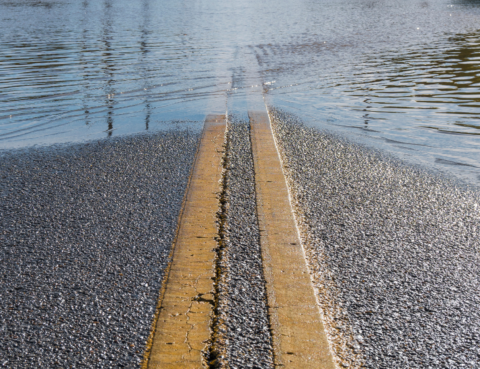
They say April showers bring May flowers, but for many vehicle owners, the start of spring also marks the beginning of flood and hurricane season. As the weather turns wetter, it is the perfect time to talk about a difficult topic: what to do if the rising tide catches your car.

Whether you are dealing with a water-logged driveway now or preparing for the storms ahead, knowing how to handle a flood-damaged vehicle is essential for your safety and your wallet.

Beware of Opportunistic Buyers

After a natural disaster, there is often a surge of opportunistic buyers who try to pick up affected vehicles for very little money. Their goal is usually to pass these cars off as clean units later on without disclosing the damage.

To protect yourself and future drivers, only sell your flood-damaged vehicle to licensed dealers and dismantlers. These professionals understand the legal requirements and intricacies of hurricane and flood vehicles, ensuring the sale is handled properly.

Resist the Urge to Start the Engine

If you walk out to a flooded driveway, your first instinct might be to see if the car still runs. However, the safest course of action is to not attempt to turn on a flooded vehicle yourself.

This is especially critical for hybrid owners or if water reached the wheel wells. Attempting to start the car can cause permanent mechanical or electrical damage. Instead, contact an experienced tow service or a professional shop immediately.

Send Me Articles Like This

* indicates required

How to Assess the Damage

Before you decide on your next steps, look for these tell-tale signs of water intrusion:

  • Damp or muddy carpets and upholstery.

  • Electrical issues or dashboard warning lights.

  • Milky engine oil, which indicates water contamination.

  • Debris or silt trapped under the hood.

Document the damage and note how high the water reached. For a deeper dive into what to look for, watch this helpful video guide.

Selling an Owner Retained Unit

Sometimes an insurance company will pay out a claim but leave you in possession of the vehicle. This is known as an owner retained unit. You can absolutely sell these vehicles, but transparency is key. You must disclose the history of the hurricane, fire, or collision damage and include your salvage title to complete the sale.

Replacing a Lost Title

It is very common for important documents to go missing during a natural disaster. If your title was lost or destroyed in a storm, you can apply for a duplicate.

If you plan on selling your vehicle through You Call We Haul, we have resources to help. Click here to find state-specific instructions on how to replace a lost title so you can move forward with your sale.

Don’t let a flood-damaged car dampen your spring. Get an offer today and let our team of experts help you clear your driveway before the next storm hits.

YCWH Mobile Experience

So, you’ve hit submit on your vehicle listing at You Call We Haul. First off: great choice. You’ve just turned a driveway eyesore into a live auction. But if you’re wondering what goes on behind the scenes once that button is clicked, you’re in the right place.

Selling a car shouldn’t feel like a mystery. Here is the step-by-step breakdown of your car’s journey from listed to loaded onto a trailer.

1. Listing Confirmation

The moment you submit, check your phone and inbox. You’ll receive a confirmation email (and a text, if you opted in) letting you know we’ve received your details.

Pro Tip: If you didn’t upload photos during the initial sign-up, your confirmation will include a link to do so. Add them immediately! Listings with photos get significantly more attention and higher bids than those without.

2. The Bidding War Begins

Once your car is in our system, it’s visible to our network of vetted buyers. This is where the magic happens. Buyers will review your vehicle’s details and start placing bids.

While the buyers are looking at your car, our team is looking out for you. If we notice something missing—like a clear photo of the title or a specific angle of the vehicle—we’ll reach out. We want to make sure your listing is buyer-ready to fetch you the best price possible.

Send Me Articles Like This

* indicates required

3. Accepting a Bid

When a bid comes in, you won’t have to keep refreshing your browser. We’ll send you an email and/or text notification with a direct link to the offer.

From there, you have three choices:

  • Accept: You like the price? Great! Let’s get it moved.

  • Counter: Think it’s worth a bit more? Send a counter-offer back to the buyer.

  • Reject: Not the right fit? No hard feelings.

4. Connecting With the Buyer

Once you click Accept, the For Sale sign officially comes down. We’ll provide you with the buyer’s contact information, and they will reach out to you directly to schedule a pickup time that works for your schedule.

Even after you’ve accepted an offer, you aren’t on your own. The You Call We Haul team stays involved to facilitate the finish line. We help:

  • Coordinate pickup logistics.

  • Ensure all necessary documentation is gathered.

  • Follow up for feedback to make sure the process was seamless.

5. Pickup & Payday

The buyer arrives at the scheduled time, hitches up your car, and hands over the payment. Just like that, your car is gone, your pocket is heavier, and your driveway is clear.

Ready to see what your car is worth? Start your listing here and let our buyers do the work for you!

Page 1 of 231 2 3 23
© Copyright 2007 - 2025 You Call We Haul. All rights reserved.Privacy Policy|Terms of Use