
Recycling a car or selling scrap metal might seem straightforward, but the rules governing these transactions vary widely depending on where you live. Across the United States, local and state scrap and recycling laws are designed to protect consumers, prevent theft, and ensure vehicles are recycled in environmentally responsible ways.
If you are planning to recycle a vehicle, understanding these regulations can help you avoid delays, protect yourself legally, and ensure your car is handled by a compliant recycler. Below, we break down how scrap and recycling laws work nationwide, what they typically require, and where to find trusted local guidance.
Why Scrap and Recycling Laws Matter
Scrap and recycling laws exist for several important reasons:
- Preventing vehicle and metal theft through identity verification and transaction records
- Ensuring environmental compliance, particularly when vehicles contain hazardous fluids and materials
- Protecting consumers by requiring clear ownership documentation and transparent transactions
- Supporting responsible recycling practices that reduce environmental harm
Because vehicles are regulated differently than general scrap metal, working with a professional recycling network is often the safest and simplest way to stay compliant.
For a deeper look at how vehicles are responsibly dismantled and recycled, visit:
How Scrap and Recycling Laws Work Across the U.S.
While each state sets its own requirements, most scrap and vehicle recycling laws share a common framework.
Identification and Proof of Ownership
Most states require sellers to present a valid government-issued photo ID. When recycling a vehicle, additional documentation such as a title or proof of ownership is commonly required to ensure the car was acquired legally.
Transaction Records and Reporting
Licensed recyclers and scrap yards are often required to maintain detailed transaction records. Vehicle transactions are typically reported through national systems used by states to track ownership changes and prevent fraud.
Payment Rules
Some states restrict or regulate how sellers are paid for scrap metal or vehicles, particularly to reduce theft. These rules vary significantly by location.
Payment Rules
Vehicles contain fluids, batteries, and components that must be handled according to environmental regulations. Compliance with both state and federal environmental standards is a key part of lawful vehicle recycling.
Because these requirements change and differ by location, the most reliable approach is to work with a recycler that already understands and follows the rules where you live.
How SHiFT® Helps You Stay Compliant
Navigating scrap and recycling laws does not have to be complicated. The SHiFT Vehicle Retirement Initiative® connects vehicle owners with an elite national network of vetted recycling partners who understand and follow all applicable local, state, and federal regulations. We’ve partnered with SHiFT to offer junk car owners an eco-friendly and tax-deductible alternative to getting rid of their unused vehicles.
When you recycle through SHiFT®:
- Your vehicle is handled by licensed, compliant recyclers
- Environmental and safety standards are followed from start to finish
- Ownership documentation and reporting are managed correctly
- You gain peace of mind knowing your vehicle is recycled responsibly
SHiFT® is designed to remove uncertainty from the recycling process while supporting higher standards across the auto recycling industry.
State-Specific Recycling Guidance
Rather than navigating complex legal language on your own, we recommend starting with trusted local resources. Below are links to state-specific pages where you can learn more about recycling vehicles in your area.
- Colorado – Vehicle recycling and scrap regulations vary by county and municipality.
Learn more on our Colorado recycling page. - Washington – Washington places a strong emphasis on environmental compliance and proper vehicle dismantling.
Learn more on our Washington recycling page. - California – California has some of the most comprehensive environmental and recycling regulations in the country.
Learn more on our California recycling page. - Massachusetts – Scrap and vehicle recycling laws focus on consumer protection and proper documentation.
Learn more on our Massachusetts recycling page. - Georgia – Georgia regulates scrap metal transactions and vehicle recycling through state and local requirements.
Learn more on our Georgia recycling page. - Illinois – Illinois enforces detailed reporting and documentation standards for recyclers.
Learn more on our Illinois recycling page. - Oregon – Oregon emphasizes environmentally responsible vehicle dismantling and recycling practices.
Learn more on our Oregon recycling page. - Maine – Maine regulates vehicle recycling with a focus on safe material handling and disposal.
Learn more on our Maine recycling page. - Arizona – Arizona requires proper ownership verification and licensed recycling operations.
Learn more on our Arizona recycling page. - Florida – Florida has specific requirements for scrap dealers and vehicle recyclers to prevent theft and fraud.
Learn more on our Florida recycling page.
Tip: Always check your local or state guidance before recycling a vehicle, as requirements can change.
Frequently Asked Questions
Do scrap and recycling laws differ by state?
Yes. While many requirements are similar, each state sets its own rules regarding documentation, payments, and environmental compliance. Recycling with a certified salvage yard or buyer ensures that your vehicle is retired responsibly and in compliance with these regulations.
What documents do I usually need to recycle a car?
Most states require a valid photo ID and proof of ownership, such as a vehicle title. Requirements may vary by location. If you recycle with SHiFT® or sell with You Call We Haul, our team can help you.
Why should I work with a professional recycling network?
Licensed recyclers understand local laws, manage required reporting, and ensure vehicles are handled safely and legally.
Your End-Of-Life Vehicle Handled Properly
Understanding local scrap and recycling laws is an important step when getting rid of an old or unwanted vehicle. While the rules may vary, choosing a trusted recycling partner makes the process simpler, safer, and more responsible.
By working with You Call We Haul and the SHiFT® network, you can feel confident that your vehicle is recycled in compliance with the laws that matter most — both for you and for the environment.
If you’re ready to sell your junk car for cash, get started with You Call We Haul.
If you’re looking to get a polluting vehicle off the road and put it’s scrap value towards the future of automotive recycling, get started with SHiFT®.
In a time where people are trying to reduce their carbon footprint, there are several ways to make a positive impact on the environment. Through You Call We Haul, selling your car will not only have a positive impact on a charity, but the environment as well. From 2010 to 2020, there have been about 176.54 million cars manufactured within North America alone. With a large number of manufacturing taking place, there is a major increase in waste as well. A typical passenger car emits 4.06 metric tons of carbon dioxide per year. This is an alarming number, which isn’t even factoring in the carbon dioxide output it takes to manufacture the car! Learn about the actions you can take to reduce impact that your car has on the environment.
Sustainable Practices as a Car Owner
As Americans are trying to reduce their carbon footprint, sustainability has become a hot topic the past few years. Here are some sustainable practices to keep in mind as a car owner:
Properly dispose oil from your car – Many auto repair shops will dispose your contained oil for you to use to recycle or properly dispose. Do not dump your oil in drains, sewers, or even the lawn. Avoiding these actions avoids the risk of polluting water and soil.
Recycle used or worn out tires- Instead of throwing out your old tires, recycle them at a local recycling center where they can then be used for projects. These projects include the creation of local playgrounds, sandboxes, and much more.
Check Tire Pressure – Most of the newer models have automated tire pressure gauges, but for older vehicles, it is important to check the tire pressure on a regular basis. Not only is it safer to drive, but tires that are properly inflated save 10 cents per a gallon of gas as well as reducing carbon dioxide emissions.
Selling Your Car
Through You Call We Haul, you can sell your car for cash no matter the condition of the vehicle! A towing company will pick up your car from the requested address and your car will then be stripped for parts to recycle. Once all the fluids are removed from the car, the recycling begins. Re-usable parts are taken from the car and about 90% of the cars steel and iron are then recycled. The recycled metals are then used for products such as cans and other metallic objects. Through our nationwide network of buyers, your car is sent to an auction. Automotive recyclers bid for your car and the winner then claims your car for cash. You will receive your payment upon pickup and from there the rest of the process is in our hands.
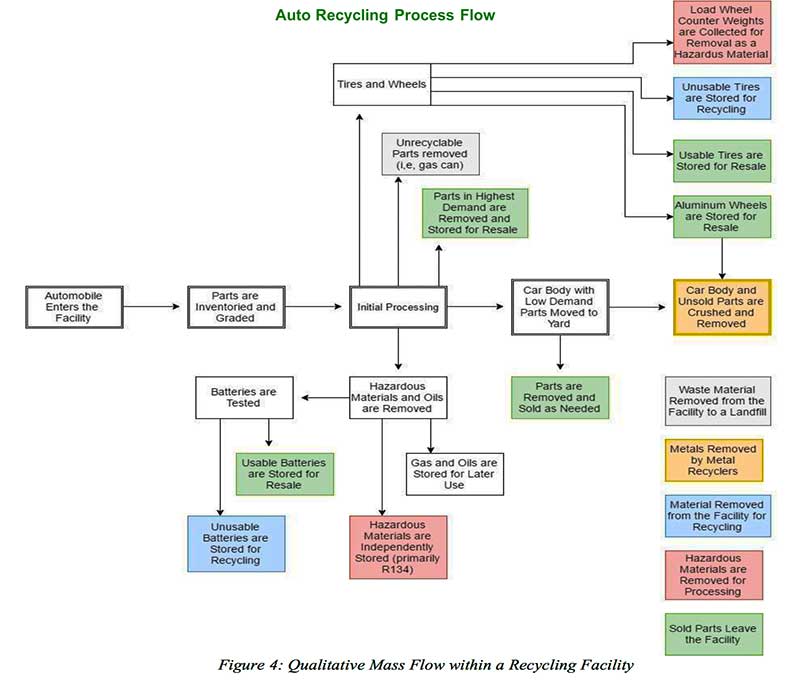
The chart above displays what parts of a car are recycled and shows how they are properly recycled by auto-recyclers. At You Call We Haul, we promote sustainability one car at a time. Selling your car will not only benefit your wallet, but the environment as well. Visit You Call We Haul to sell your car for cash or call us at 866-771-5865!
To ensure that you are receiving and accurate estimate on the value of your car, visit the RepairPal website. RepairPal gives car owners an accurate estimate on their car and connects them with local repair shops. If the estimate to fix your car it too costly and you don’t want to sell it for cash, consider other ways to get rid of your car, which include donating it to charity.
How Donating Your Car Helps the Environment
If you don’t want to sell your car through You Call We Haul, you can help the environment and support your favorite nonprofit organization by donating your car! The car donation process is quick and simple. Through our Car Donation Wizard, you will be able to donate to one of our partnered non-profit organizations such as Habitat For Humanity, American Cancer Society, or even your local NPR Radio Station. Your car will be sold to auto recyclers and your charity will the receive the proceeds from the sale of your vehicle. After your car is sold, you’ll be emailed a tax receipt. It’s that simple! Start your car donation online or by calling 877-957-2277.
Carbon Retirement
And finally if your vehicle is at the absolute end of life you may consider retiring your vehicle through the Nation’s mosts enviromentally focused recyling program. Go to www.shift4tomorrow.org to learn about the SHIFT National Vehicle Retirement Initiative.

If you want the best deal for selling your junk car, but don’t want to go through the hassle, You Call We Haul has perfected the process for you. Our reliable services are quick, easy, and painless. We work tirelessly to get you the best price for your junk vehicle every time through our extensive national buyer…
Depending on where you are, flowers could be blooming or roads could still be icy and salt-littered. No matter your location, spring is on its way. It’s almost time to start the annual Spring Cleaning. A great place to start and to get some extra green for your wallet is to sell a junk car….

Learn whats happens during the process of recycling a car and the benefits it has on the enviroment and resources. Recycling is a verb that you hear everyday. It’s something that almost all companies, people, and states try to do because of it’s well-known, positive environmental impact. While everyone understands what recycling is, not all…

Tips for Selling a Junk Car
Selling an older, high mileage or damaged vehicle can present many unique problems. Here are some Tips and Suggestions for getting cash for junk cars.
Beware of the Trade-In Trap
Buyers often get stuck between a rock and a hard place, rushed into a ‘trade’ thinking its the only option available. If your car has hit the end of the road, the dealer likely has no more interest in it than you do. The offer you get for the vehicle is often inflating the sale price or being used as leverage to sell financing. If possible, get the most money for your junk car before you buy another. If you’re looking for more guidance click here to avoid the ‘gotchas’.
Don’t take the quick computer offer
Many sites or services on the web ask owners to input the year, make, model, and mileage for an ‘instant offer’. Don’t get fooled by the quick offer, these operations are likely just baiting the user. Many of these sites are simply set up to sell ‘leads’ to local junk yards, and their ‘services’ deteriorate your returns. If you’re getting an instant value they likely aren’t taking into consideration the true condition or the many options that influence value. They will either make a low offer or negotiate when the rep shows up to pick up the car. You Call We Haul™ connects buyers and sellers without the trickery.
Get to a LOCAL buyer you can trust.
If you are selling a high mileage, end of life, salvage or damaged car, it is likely to be sold to a local recycler or dismantler. There is no National chain or clearinghouse to buy junk cars. Get to know your local junkyard, they are an important part of the recycling world and help keep our driveways, cities and streets clean. Sites that resell ‘leads’ often work with dubious buyers that you may not want showing up at your house. You want a recognized, local bidder who you can rely on to handle the transaction in an ethical manner. You can learn more about responsible automobile recycling at United Recyclers Group or Automotive Recyclers Association websites.
Take Photos to maximize the value
Even though you are selling an older or salvage vehicle, don’t expect to get top dollar without giving the right information to maximize return. Take photos of the vehicle, because it’s the easiest way to get the very best bid from a local dismantler. You can use our quick and easy photo app here:
Be ready to move quickly
You Call We Haul™ offers a fast alternative to making several calls. Once we get your photos and information we send them off to our network of dismantlers and recyclers and they are often returning real bids in just minutes. Make sure to have all of your personal effects, license plates, and registration ready for a quick removal if you accept the offer.
Carefully transfer your title
Don’t get lazy about title transfer. Often times when selling an older car, owners skip the appropriate title steps. Make sure to sign the title directly over to the buyer picking up your vehicle. Be assured that all of our buyers are properly licensed and insured. Click here for more information about transferring your title.
RELAX
Though this process can seem intimidating, we’re here to help. We have over 10 years experience and have sold hundreds of thousands of cars, trucks, motorcycles and SUVs to recyclers and dismantlers. We know how this world works and we’re here to make it easier on you.
You Call We Haul™ – We Got You

The Benefits of Recycling Your Junk Cars You hear advertisements for junk-my-car or cash-for-junk-car companies on the radio almost every time a commercial break comes on. Typically you just change the channel and don’t pay any attention to the ad, just like the rest of us. The idea of getting cash for a hunk of…
2018 Scrap Metal Forecast Heavy Investor Activity From Large Cap Companies and its impact on the scrap metal forecast Ford Motor’s Aluminum Scrap Demand Skyrockets: Large SUV Models Selling off Every Lot in America within 7 Days Understanding Correlation Between U.S Dollar, Commodities, and Federal Reserve Rate 2018’s scrap metal forecast is showing signs of…
What the Steel and Aluminum Tariffs Mean To You In recent news, this past Friday, Trump announced that there will be a new steel and aluminum tariffs. 25% import tariff on steel, and a 10% aluminum import tax. With this adjustment in import tariffs, a change in American steel mill production will be expected to…
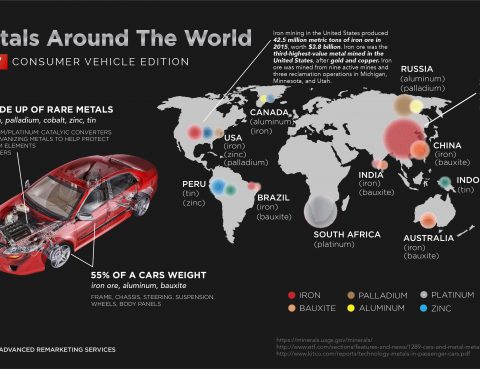
Whats In My Car: Metals from around the world So what’s in my car? Today’s vehicles are not just big hunks of steel. They are actually made up of various types of steel, aluminum and other metals, each chosen for the specific properties and uses. Most of the weight of a vehicle comes…