Hurricane season starts this month. While most people are worried about the wind and rain, there’s a different kind of threat heading for your driveway.

Every year, thousands of cars are submerged in floodwaters. These vehicles are rotting from the inside out, yet scammers find ways to put them back on the market with a “clean” title. It’s called title washing, and it’s a flat-out scam designed to take your hard-earned money.

What Is Title Washing?

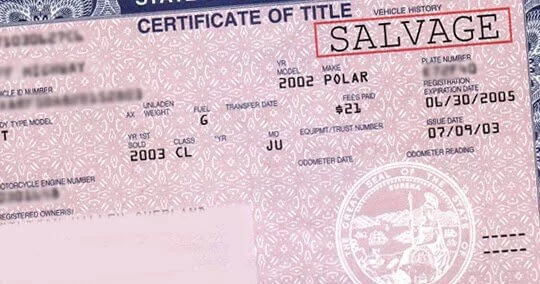
When a car is totaled by a flood, insurance companies brand the title as Salvage or Flood. This tells any future buyer that the car is compromised.

Scammers hate those brands because they can’t sell the car for full price. So, they move the car to a state with laxer laws, register it there, and wash that brand off the document. They’re betting that you won’t look close enough to see the damage they’ve tried to hide.

Salvage Title Example
Credit: DirtLegal.com

Why It Matters to You

Driving a flood-damaged car isn’t just a bad investment—it’s dangerous.

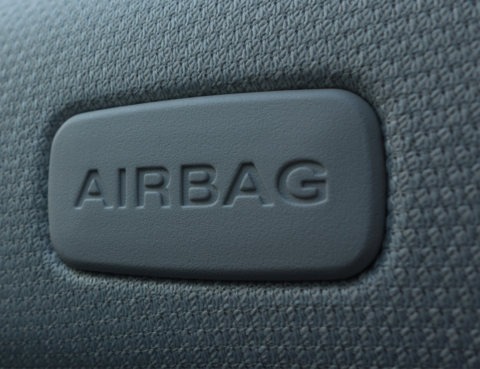
  • Failed Electronics: Saltwater eats through wiring. Your airbags might not deploy, or your engine could simply quit while you’re on the highway.

  • Invisible Mold: Mildew trapped in the vents and seats is a health hazard you can’t always see.

  • Structural Rot: If the frame is rusting from the inside, the car won’t protect you in a crash.

5 Ways to Spot a Flood Scam

Don’t trust a piece of paper. Trust your eyes and your gut. Look for these red flags:

  • The Smell: If the car smells like a locker room—or if it smells like it was just hosed down with industrial-strength bleach—walk away.

  • The Grit Test: Run your hand under the seats or behind the dashboard. If you feel fine silt or sand, that car was underwater.

  • Premature Rust: Look at the unpainted bolts under the seats or the springs under the dash. If they’re rusted, that’s a high-water mark.

  • Mismatched Carpets: If the carpet looks brand new but the rest of the interior is worn, someone might be trying to hide water damage.

  • The Price Tag: If a deal looks too good to be true right after a major storm, it probably is.

How to Protect Your Wallet

You don’t have to be an expert to avoid getting scammed. Follow these three steps:

  1. Check the NMVTIS: Go to vehiclehistory.gov. This is the federal database that scammers can’t easily manipulate. If it says “Salvage” there, it doesn’t matter what the paper title says.

  2. Get an Inspection: Spend the $100 to have a mechanic you trust put the car on a lift. They’ll see the mud and corrosion that a car wash can’t reach.

  3. Buy Reputable: Stick to dealers with a physical address and a reputation to protect. If a guy is selling a car in a parking lot for cash only, he’s probably looking for an easy mark.

You deserve a car that’s safe and worth what you paid for it. Don’t let a title washer sell you a lemon just because the seasons are changing.

Send Me Articles Like This

* indicates required
Airbag Replacement Costs

Airbags and seatbelts are the silent guardians of your commute. We don’t think about them until we need them—and when they do their job, they do it with explosive precision. But once the dust settles after an accident, many drivers are faced with a shocking reality: The cost of replacing those safety systems might actually exceed the value of the car.

In 2026, the technology behind Supplemental Restraint Systems (SRS) has become more advanced—and more expensive—than ever. If you’re staring at a deployed steering wheel or a torn dashboard, here is what you need to know.

The True Cost of a Reset

Replacing a single airbag isn’t just about the bag itself. To ensure the car is safe to drive again, a certified technician usually has to replace:

  • The Airbag Modules: Often $1,000+ per unit.

  • The SRS Control Module: The brain of the system that locks after a crash.

  • Impact Sensors: These are one-time-use triggers.

  • Seatbelt Pretensioners: These often fire alongside the airbags to pull you into your seat.

In the current market, a full system restoration after a multi-airbag deployment can easily range from $3,000 to $6,000. For a vehicle that’s more than a few years old, that bill often crosses the Total Loss Threshold, making the car a financial liability.

Safety First: Why DIY Isn’t an Option

It’s tempting to look for cheap, used airbags online, but it’s a gamble you shouldn’t take. Counterfeit or improperly installed airbags are a massive safety risk, and most modern car computers require a digital handshake with OEM parts to even function. If the SRS light is on, the car won’t pass inspection, and more importantly, it won’t protect you in the next collision.

When the Math Doesn't Add Up, Call Us

If your car has “popped” its bags and the repair estimate is making your head spin, don’t pour good money after bad. Your car still has value—even if it’s no longer roadworthy.

You Call We Haul specializes in helping you move on from damaged, used, or totaled vehicles without the stress. We connect you with a nationwide network of buyers who place live bids on your car exactly as it sits.

How it works in 3 easy steps:

  1. Report the Condition: Upload a few photos and tell us about the damage.

  2. Get Your Offer: Review live bids from buyers who want your car.

  3. Get Paid: Once you accept, a towing agent handles the pick-up for free, and you get cash on the spot.

Don’t let a deployed airbag deflate your bank account.

Ready to see what your car is worth? Click here to get started or call us at (866) 771-5865.

Send Me Articles Like This

* indicates required

Disclaimer: This article is for informational purposes only and does not constitute legal, mechanical, or safety advice. Replacing a vehicle’s Supplemental Restraint System (SRS) is a complex procedure that should only be performed by certified professionals. The information provided herein is not a determinant of any specific vehicle’s safety or roadworthiness. You Call We Haul does not determine the safety or “total loss” status of any vehicle, and is not responsible for any actions taken based on this information. Always consult with a licensed mechanic and your insurance provider to determine the safety and legal status of a vehicle after an accident.

© Copyright 2007 - 2025 You Call We Haul. All rights reserved.Privacy Policy|Terms of Use