Navigating Flood-Damaged Vehicles

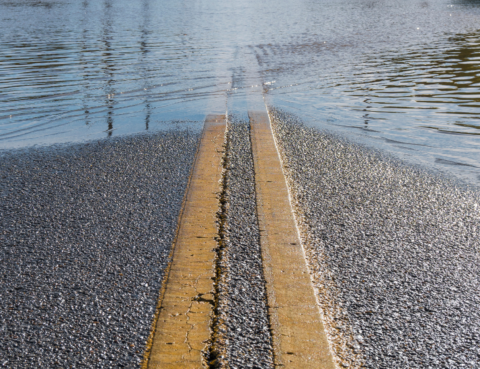
They say April showers bring May flowers, but for many vehicle owners, the start of spring also marks the beginning of flood and hurricane season. As the weather turns wetter, it is the perfect time to talk about a difficult topic: what to do if the rising tide catches your car.

Whether you are dealing with a water-logged driveway now or preparing for the storms ahead, knowing how to handle a flood-damaged vehicle is essential for your safety and your wallet.

Beware of Opportunistic Buyers

After a natural disaster, there is often a surge of opportunistic buyers who try to pick up affected vehicles for very little money. Their goal is usually to pass these cars off as clean units later on without disclosing the damage.

To protect yourself and future drivers, only sell your flood-damaged vehicle to licensed dealers and dismantlers. These professionals understand the legal requirements and intricacies of hurricane and flood vehicles, ensuring the sale is handled properly.

Resist the Urge to Start the Engine

If you walk out to a flooded driveway, your first instinct might be to see if the car still runs. However, the safest course of action is to not attempt to turn on a flooded vehicle yourself.

This is especially critical for hybrid owners or if water reached the wheel wells. Attempting to start the car can cause permanent mechanical or electrical damage. Instead, contact an experienced tow service or a professional shop immediately.

Send Me Articles Like This

* indicates required

How to Assess the Damage

Before you decide on your next steps, look for these tell-tale signs of water intrusion:

  • Damp or muddy carpets and upholstery.

  • Electrical issues or dashboard warning lights.

  • Milky engine oil, which indicates water contamination.

  • Debris or silt trapped under the hood.

Document the damage and note how high the water reached. For a deeper dive into what to look for, watch this helpful video guide.

Selling an Owner Retained Unit

Sometimes an insurance company will pay out a claim but leave you in possession of the vehicle. This is known as an owner retained unit. You can absolutely sell these vehicles, but transparency is key. You must disclose the history of the hurricane, fire, or collision damage and include your salvage title to complete the sale.

Replacing a Lost Title

It is very common for important documents to go missing during a natural disaster. If your title was lost or destroyed in a storm, you can apply for a duplicate.

If you plan on selling your vehicle through You Call We Haul, we have resources to help. Click here to find state-specific instructions on how to replace a lost title so you can move forward with your sale.

Don’t let a flood-damaged car dampen your spring. Get an offer today and let our team of experts help you clear your driveway before the next storm hits.

YCWH Mobile Experience

So, you’ve hit submit on your vehicle listing at You Call We Haul. First off: great choice. You’ve just turned a driveway eyesore into a live auction. But if you’re wondering what goes on behind the scenes once that button is clicked, you’re in the right place.

Selling a car shouldn’t feel like a mystery. Here is the step-by-step breakdown of your car’s journey from listed to loaded onto a trailer.

1. Listing Confirmation

The moment you submit, check your phone and inbox. You’ll receive a confirmation email (and a text, if you opted in) letting you know we’ve received your details.

Pro Tip: If you didn’t upload photos during the initial sign-up, your confirmation will include a link to do so. Add them immediately! Listings with photos get significantly more attention and higher bids than those without.

2. The Bidding War Begins

Once your car is in our system, it’s visible to our network of vetted buyers. This is where the magic happens. Buyers will review your vehicle’s details and start placing bids.

While the buyers are looking at your car, our team is looking out for you. If we notice something missing—like a clear photo of the title or a specific angle of the vehicle—we’ll reach out. We want to make sure your listing is buyer-ready to fetch you the best price possible.

Send Me Articles Like This

* indicates required

3. Accepting a Bid

When a bid comes in, you won’t have to keep refreshing your browser. We’ll send you an email and/or text notification with a direct link to the offer.

From there, you have three choices:

  • Accept: You like the price? Great! Let’s get it moved.

  • Counter: Think it’s worth a bit more? Send a counter-offer back to the buyer.

  • Reject: Not the right fit? No hard feelings.

4. Connecting With the Buyer

Once you click Accept, the For Sale sign officially comes down. We’ll provide you with the buyer’s contact information, and they will reach out to you directly to schedule a pickup time that works for your schedule.

Even after you’ve accepted an offer, you aren’t on your own. The You Call We Haul team stays involved to facilitate the finish line. We help:

  • Coordinate pickup logistics.

  • Ensure all necessary documentation is gathered.

  • Follow up for feedback to make sure the process was seamless.

5. Pickup & Payday

The buyer arrives at the scheduled time, hitches up your car, and hands over the payment. Just like that, your car is gone, your pocket is heavier, and your driveway is clear.

Ready to see what your car is worth? Start your listing here and let our buyers do the work for you!

© Copyright 2007 - 2025 You Call We Haul. All rights reserved.Privacy Policy|Terms of Use