Top Factors Determining a Car's Resale Value

If you’re thinking about selling your car, you’ve probably noticed that resale values don’t always follow the same rules they used to. In today’s market, a vehicle’s worth is influenced by far more than a simple price guide. Buyer demand, condition, location, and even scrap material values all play a role in determining what your car is actually worth.

Understanding these factors can help you set realistic expectations—and make smarter decisions when it’s time to sell.

1. Vehicle Age and Mileage

Age and mileage are often the first details buyers look at, but they don’t tell the whole story.

Lower mileage vehicles typically command higher offers, especially if they’re newer models. That said, older vehicles with higher mileage can still hold meaningful value depending on demand for parts, materials, or specific components. Even cars that are no longer roadworthy may still appeal to buyers who specialize in repairs, resale, or recycling.

2. Make, Model, and Market Demand

Not all vehicles hold value the same way. Brand reputation, model reliability, and long-term demand all influence resale pricing.

Some makes and models consistently perform well in the secondary market due to their durability or popularity. Others may be worth more regionally depending on climate, terrain, or local driving habits. In some cases, discontinued or niche models can attract higher bids from specialized buyers looking for hard-to-find vehicles or parts.

3. Condition: Cosmetic vs. Mechanical

One of the biggest misconceptions sellers have is how much cosmetic damage affects value.

Mechanical condition matters far more than appearances. Issues with the engine, transmission, or frame tend to impact offers significantly, while minor dents, scratches, or interior wear usually matter less than expected. Buyers are often far more interested in whether a vehicle starts, runs, or has salvageable components than whether it looks perfect.

Being honest about your car’s condition upfront helps attract serious buyers and leads to stronger, more accurate offers.

4. Accident History and Title Status

Accidents don’t automatically eliminate your car’s value—but they do affect who will want to buy it.

Vehicles with prior accidents, salvage titles, or rebuilt titles often appeal to a different group of buyers than clean-title cars. These buyers specialize in repairs, parts recovery, or resale and know how to assess value beyond surface damage.

If your car has been in an accident and you’re unsure how that impacts your options, this guide breaks it down step by step: How to Sell a Car That’s Been in an Accident

How to Sell a Car That's Been in an Accident

If your car has been in an accident, you can still sell it quickly and safely. Learn the steps to get real bids, free towing, and fast pickup nationwide.

5. Location and Local Market Conditions

Where your car is located can influence its resale value more than many sellers realize.

Demand varies by region, and factors like towing logistics, population density, and local buyer competition all play a role. A vehicle that draws limited interest in one area may attract multiple buyers in another. Access to a nationwide network of buyers helps ensure your car is seen by the people most interested in it—no matter where you’re located.

Worried about towing fees? Sell with You Call We Haul and get free towing.

6. Parts Value, Scrap Material Prices, and Market Trends

For end-of-life or non-running vehicles, resale value often comes down to parts and materials.

Steel, aluminum, and other recyclable metals fluctuate in value based on market conditions. Components like catalytic converters and reusable parts can also significantly impact offers. Even vehicles that no longer run may still have substantial value when evaluated by buyers who understand material recovery and reuse.

Market timing can influence resale outcomes.

Seasonal demand, fuel prices, and inventory levels all affect buyer behavior. Waiting too long to sell a vehicle that’s already declining in condition can reduce its value, while acting at the right moment can lead to stronger offers. Seeing multiple bids at once helps sellers understand what their vehicle is worth right now—not months from now.


Ready to Dive Deeper Into Market Trends?

Check out Advanced Remarketing Services’s Wreckonomics™ reports.

Sell Smarter with You Call We Haul

In today’s market, a car’s resale value isn’t determined by estimates—it’s determined by real buyers.

You Call We Haul connects your vehicle with licensed buyers across the country who compete for it in real time. Whether your car is running, damaged, or no longer drivable, you can receive multiple offers, free pickup and towing, and complete transparency—without fees or obligation.

If you’re ready to see what your car is actually worth, You Call We Haul makes the process simple, fast, and pressure-free.

Send Me Articles Like This

* indicates required

Recycling a car or selling scrap metal might seem straightforward, but the rules governing these transactions vary widely depending on where you live. Across the United States, local and state scrap and recycling laws are designed to protect consumers, prevent theft, and ensure vehicles are recycled in environmentally responsible ways.

If you are planning to recycle a vehicle, understanding these regulations can help you avoid delays, protect yourself legally, and ensure your car is handled by a compliant recycler. Below, we break down how scrap and recycling laws work nationwide, what they typically require, and where to find trusted local guidance.

Why Scrap and Recycling Laws Matter

Scrap and recycling laws exist for several important reasons:

  • Preventing vehicle and metal theft through identity verification and transaction records
  • Ensuring environmental compliance, particularly when vehicles contain hazardous fluids and materials
  • Protecting consumers by requiring clear ownership documentation and transparent transactions
  • Supporting responsible recycling practices that reduce environmental harm

Because vehicles are regulated differently than general scrap metal, working with a professional recycling network is often the safest and simplest way to stay compliant.

For a deeper look at how vehicles are responsibly dismantled and recycled, visit:

How Scrap and Recycling Laws Work Across the U.S.

While each state sets its own requirements, most scrap and vehicle recycling laws share a common framework.

Identification and Proof of Ownership

Most states require sellers to present a valid government-issued photo ID. When recycling a vehicle, additional documentation such as a title or proof of ownership is commonly required to ensure the car was acquired legally.

Transaction Records and Reporting

Licensed recyclers and scrap yards are often required to maintain detailed transaction records. Vehicle transactions are typically reported through national systems used by states to track ownership changes and prevent fraud.

Payment Rules

Some states restrict or regulate how sellers are paid for scrap metal or vehicles, particularly to reduce theft. These rules vary significantly by location.

Payment Rules

Vehicles contain fluids, batteries, and components that must be handled according to environmental regulations. Compliance with both state and federal environmental standards is a key part of lawful vehicle recycling.

Because these requirements change and differ by location, the most reliable approach is to work with a recycler that already understands and follows the rules where you live.

How SHiFT® Helps You Stay Compliant

Navigating scrap and recycling laws does not have to be complicated. The SHiFT Vehicle Retirement Initiative® connects vehicle owners with an elite national network of vetted recycling partners who understand and follow all applicable local, state, and federal regulations. We’ve partnered with SHiFT to offer junk car owners an eco-friendly and tax-deductible alternative to getting rid of their unused vehicles.

When you recycle through SHiFT®:

  • Your vehicle is handled by licensed, compliant recyclers
  • Environmental and safety standards are followed from start to finish
  • Ownership documentation and reporting are managed correctly
  • You gain peace of mind knowing your vehicle is recycled responsibly

SHiFT® is designed to remove uncertainty from the recycling process while supporting higher standards across the auto recycling industry.

State-Specific Recycling Guidance

Rather than navigating complex legal language on your own, we recommend starting with trusted local resources. Below are links to state-specific pages where you can learn more about recycling vehicles in your area.

Tip: Always check your local or state guidance before recycling a vehicle, as requirements can change.

Looking for a state not listed? Click here.

Frequently Asked Questions

Do scrap and recycling laws differ by state?

Yes. While many requirements are similar, each state sets its own rules regarding documentation, payments, and environmental compliance. Recycling with a certified salvage yard or buyer ensures that your vehicle is retired responsibly and in compliance with these regulations.

What documents do I usually need to recycle a car?

Most states require a valid photo ID and proof of ownership, such as a vehicle title. Requirements may vary by location. If you recycle with SHiFT® or sell with You Call We Haul, our team can help you.

Why should I work with a professional recycling network?

Licensed recyclers understand local laws, manage required reporting, and ensure vehicles are handled safely and legally.

Your End-Of-Life Vehicle Handled Properly

Understanding local scrap and recycling laws is an important step when getting rid of an old or unwanted vehicle. While the rules may vary, choosing a trusted recycling partner makes the process simpler, safer, and more responsible.

By working with You Call We Haul and the SHiFT® network, you can feel confident that your vehicle is recycled in compliance with the laws that matter most — both for you and for the environment.

If you’re ready to sell your junk car for cash, get started with You Call We Haul.


If you’re looking to get a polluting vehicle off the road and put it’s scrap value towards the future of automotive recycling, get started with SHiFT®.

Send Me Articles Like This

* indicates required
The Best Road Trip Cars of 2026

Road trips are back in a big way—but the best road trip car isn’t always the newest or most expensive model on the lot. In 2026, some of the smartest road-trip vehicles are proven models from recent years that balance comfort, reliability, fuel efficiency, and environmental impact.

This list highlights 10 road-trip-ready vehicles you can realistically buy in 2026, whether new or used. Each option earns its spot by being affordable to own, dependable over long distances, and easier on the environment than traditional gas-guzzlers.

How We Chose the Best Road Trip Cars

Every vehicle on this list was selected using four core criteria:

Affordability

Strong value new or used, with reasonable ownership costs

Reliability

Consistent performance over time and fewer surprise repairs

Environmental Impact

High MPG, hybrid efficiency, or EV capability

Road-trip Comfort

Comfortable seating, cargo flexibility, and fatigue-reducing features

The Top 10 Best Road Trip Cars You Can Buy in 2026

Quick Picks by Road-Trip Style

  • Best MPG overall: Prius
  • Best midsize comfort: Camry Hybrid or Accord Hybrid
  • Best hybrid SUV: CR-V Hybrid or RAV4 Hybrid
  • Best budget EV: Bolt EUV
  • Best tech-forward EV: IONIQ 5

Toyota Prius
(Recent Model Years)

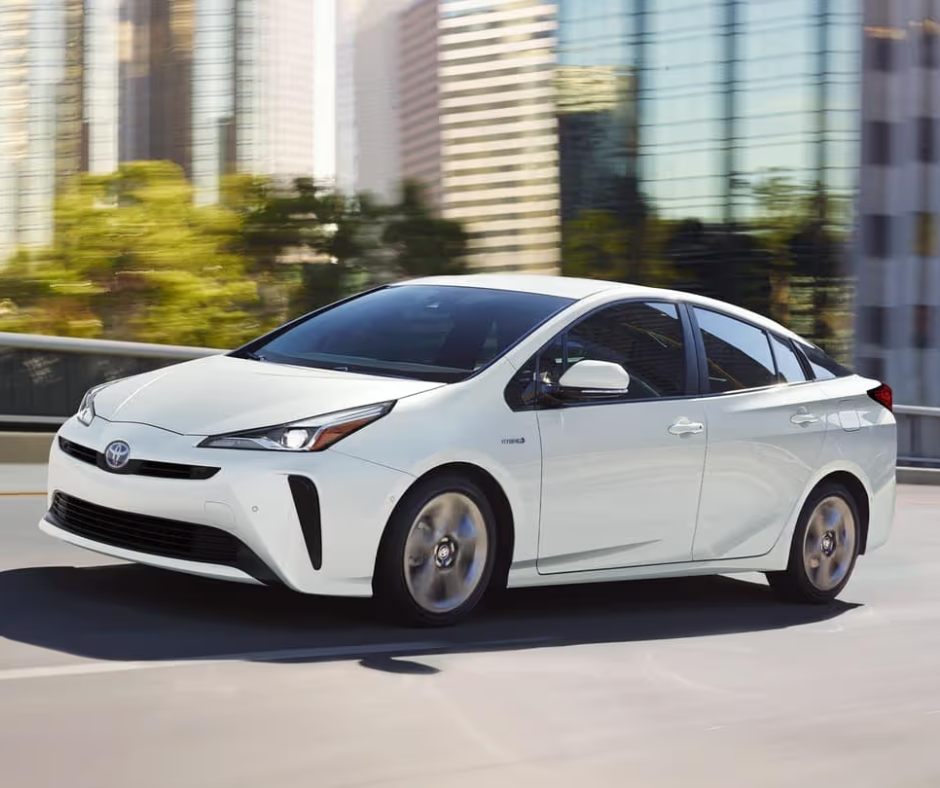
The Prius remains the gold standard for fuel efficiency. With excellent mileage and a reputation for reliability, it’s ideal for long highway drives with fewer fuel stops. Recent redesigns have also improved comfort and styling, making it more road-trip friendly than ever.

Best Choice For:
Solo travelers, couples, budget-minded adventurers

sell my toyota prius

Toyota Camry Hybrid
(Recent Model Years)

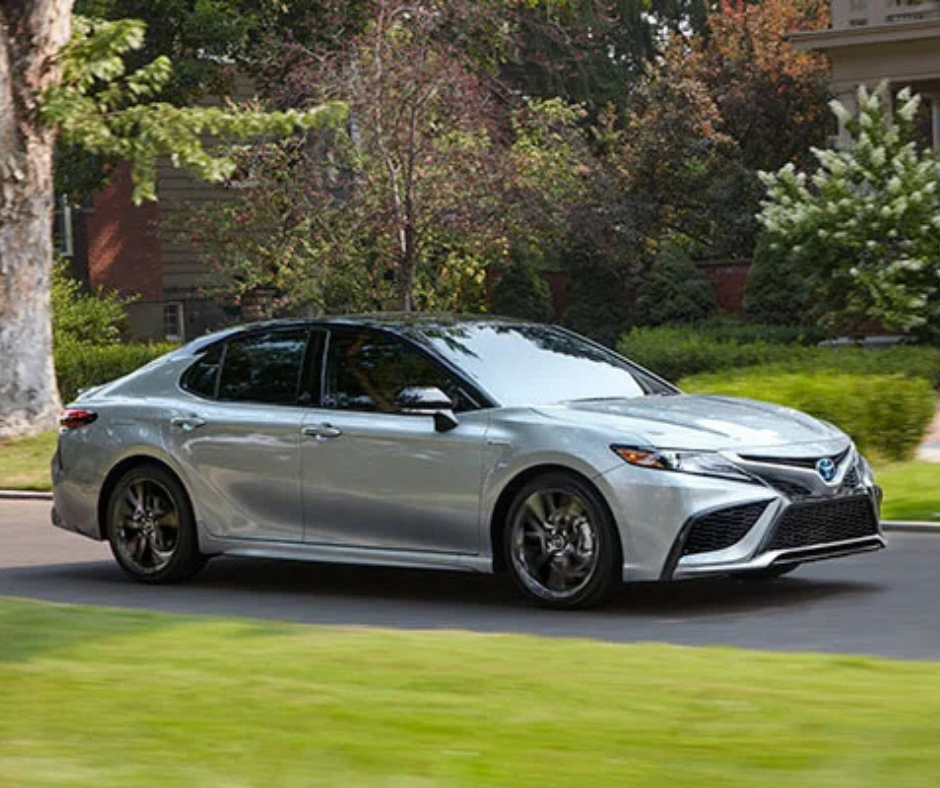
If you want comfort without SUV fuel costs, the Camry Hybrid delivers. Its smooth ride, spacious interior, and strong fuel economy make it a favorite for long-distance driving.

Best Choice For:
Families, frequent highway travelers, taller passengers

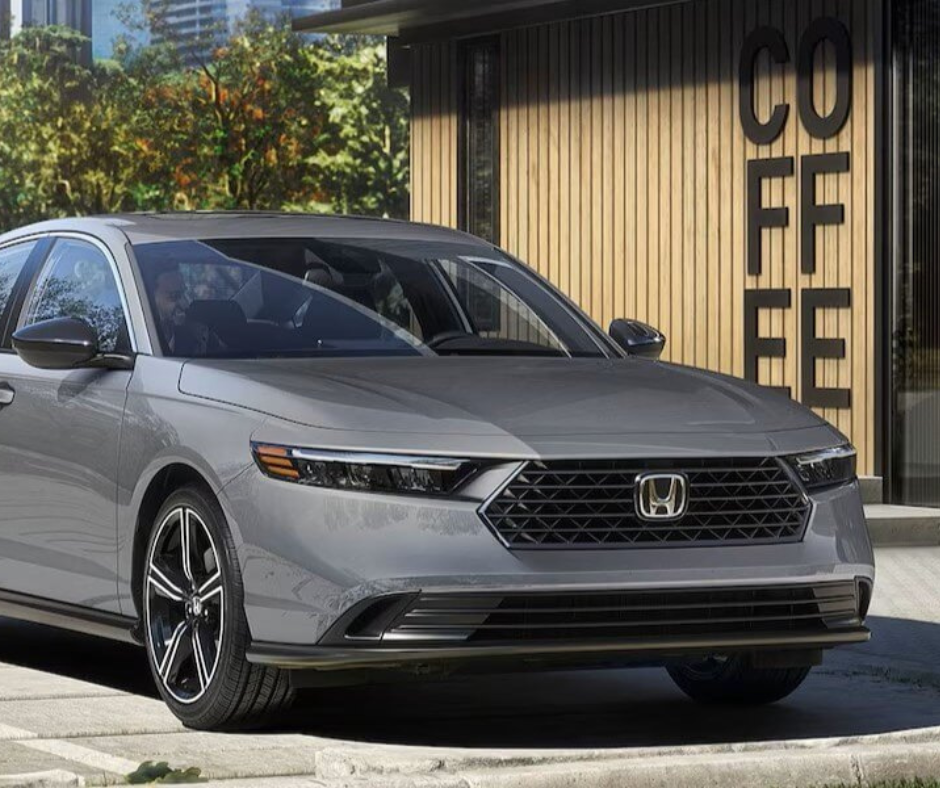
Honda Accord Hybrid
(Recent Model Years)

Quiet, comfortable, and efficient, the Accord Hybrid excels at long stretches of driving. It offers generous legroom and a refined ride that reduces fatigue on extended trips.

Best Choice For:
Daily commuters who also love long getaways

sell my honda accord hybrid

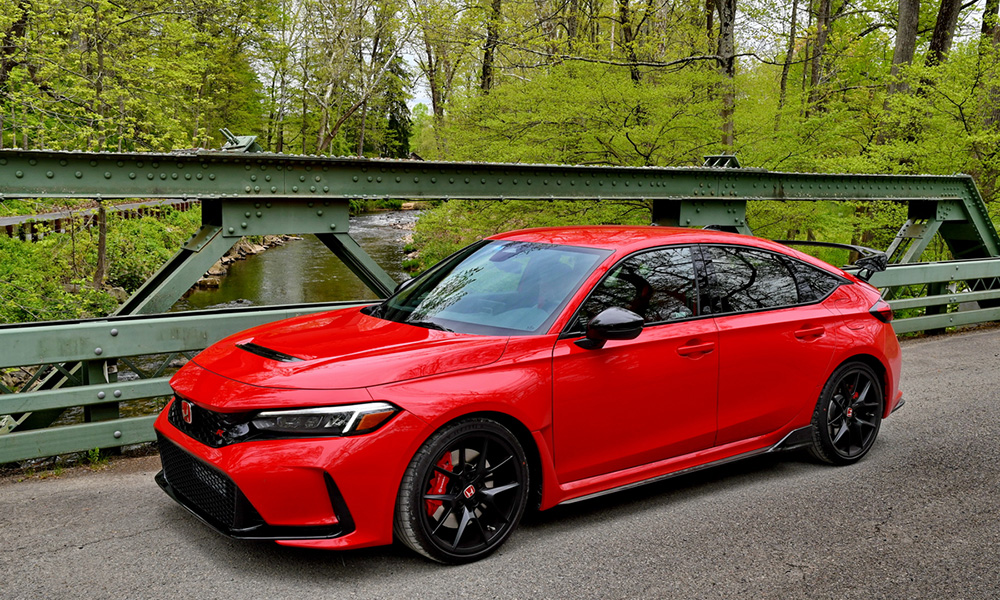
Honda Civic
(Gas or Hybrid)

The Civic strikes a strong balance between efficiency and comfort. Hatchback versions offer added cargo space, making it more versatile than many compact cars.

Best Choice For:
Drivers who want efficiency without sacrificing flexibility

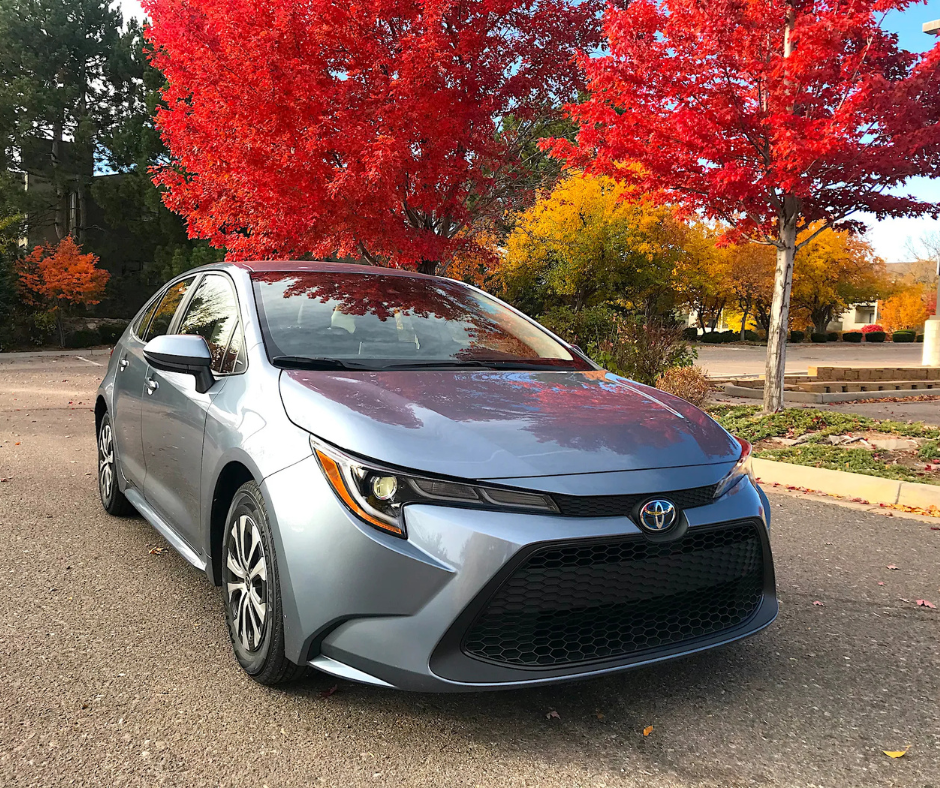
Toyota Corolla
(Hybrid)

One of the most affordable ways to cut fuel costs, the Corolla Hybrid proves that compact cars can still handle serious road trips. It’s easy to drive, easy to park, and easy on your wallet.

Best Choice For:
First-time buyers, budget travelers, city-to-highway drivers

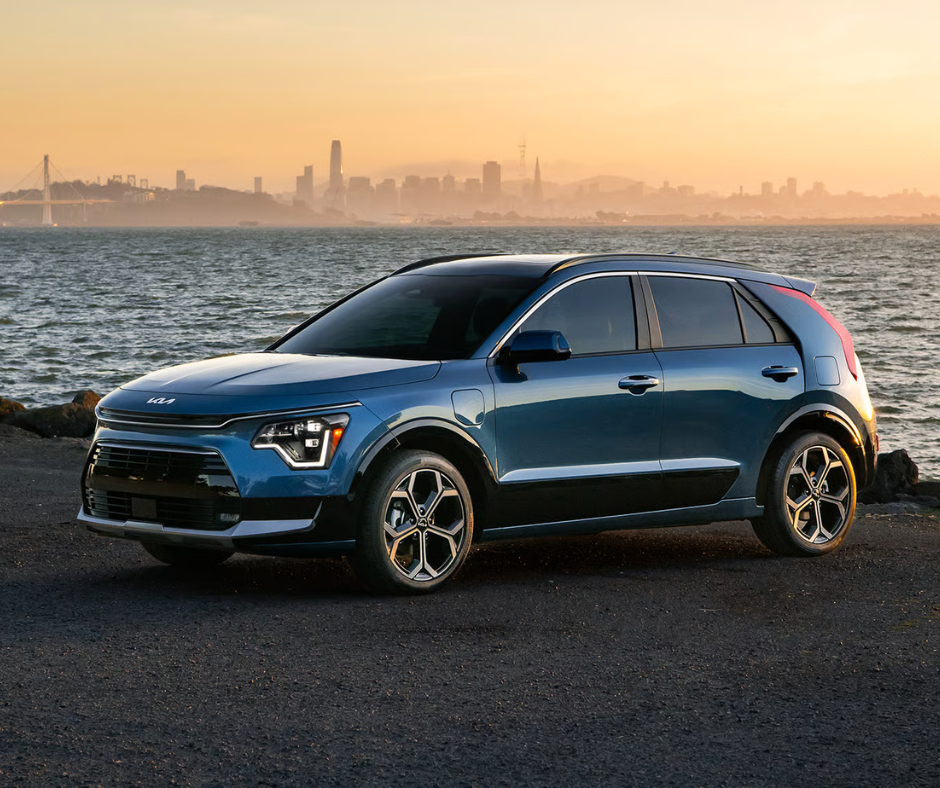
Kia Niro
(Hybrid)

Blending hatchback efficiency with crossover practicality, the Niro Hybrid is a sleeper hit for road trips. It offers excellent MPG and a higher driving position without the fuel penalties of larger SUVs.

Best Choice For:
Drivers who want space without excess

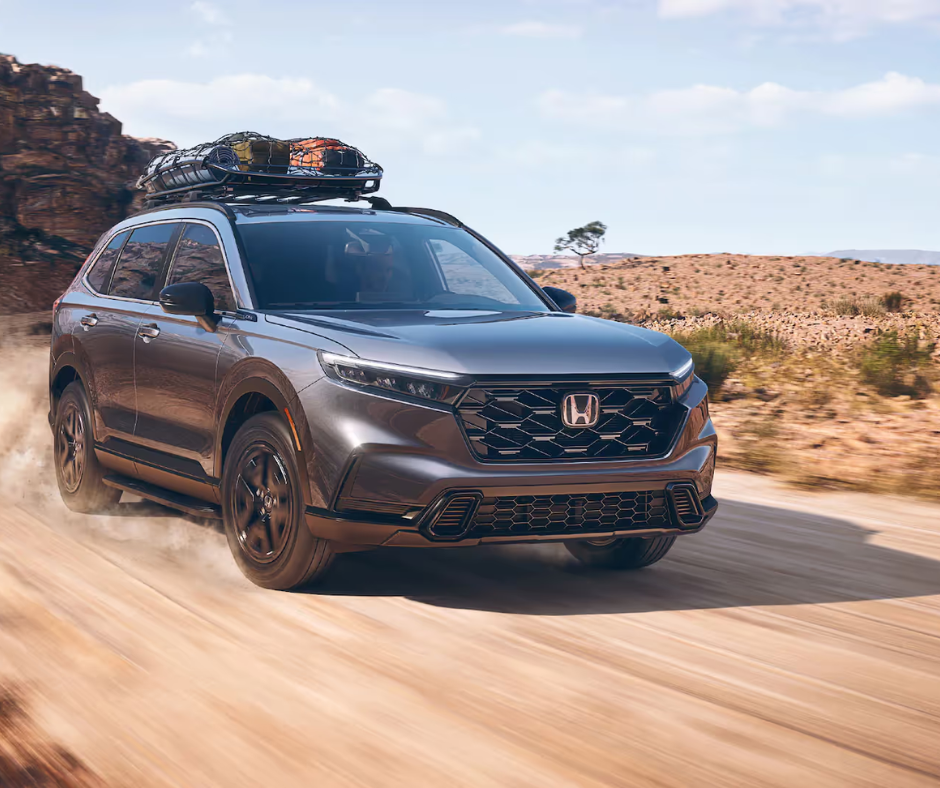
Honda CR-V
(Hybrid)

The CR-V Hybrid is one of the most balanced road-trip vehicles available. It offers room for passengers, pets, and gear while keeping fuel consumption lower than traditional SUVs.

Best Choice For:
Families, outdoor enthusiasts, pet owners

sell my toyota rav4 hybrid

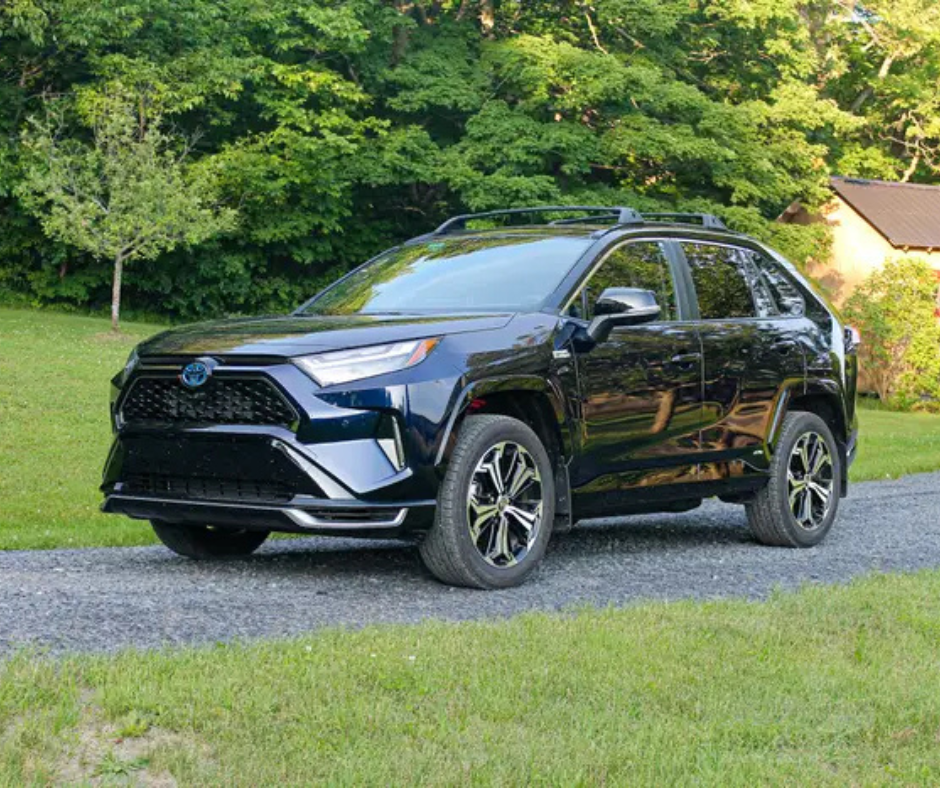
Toyota RAV4
(Hybrid)

A long-standing favorite, the RAV4 Hybrid combines dependability, comfort, and efficiency. It’s a smart choice for drivers who want SUV utility without oversized fuel bills.

Best Choice For:
Frequent travelers who need versatility

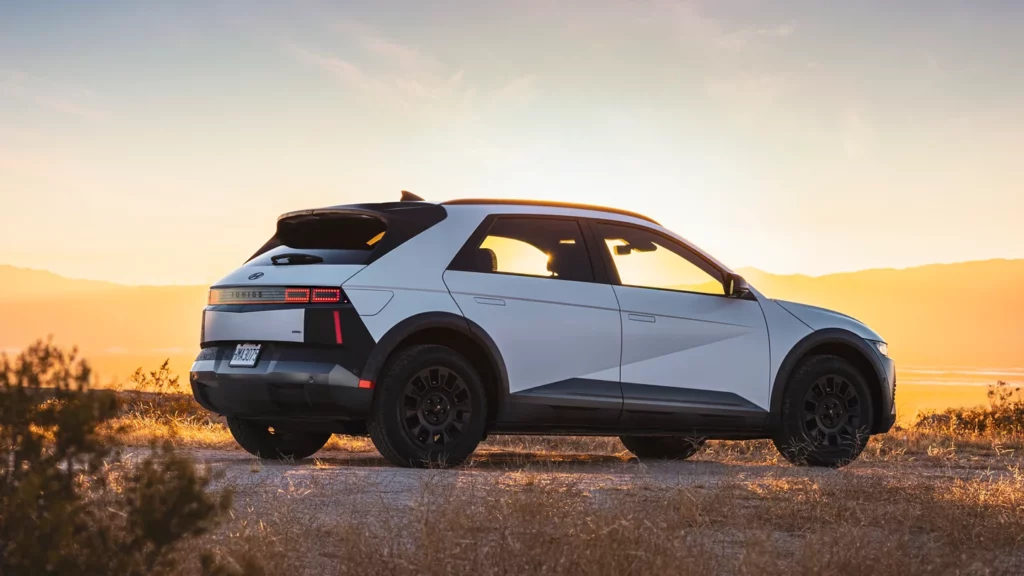
Hyundai IONIQ 5
(EV)

One of the most road-trip-capable electric vehicles available, the IONIQ 5 offers a comfortable ride and fast-charging capability—making longer trips more realistic for EV drivers.

Best Choice For:
Drivers ready to ditch gas with planned charging stops

sell my hyundai ioniq 5
sell my chevrolet bolt euv

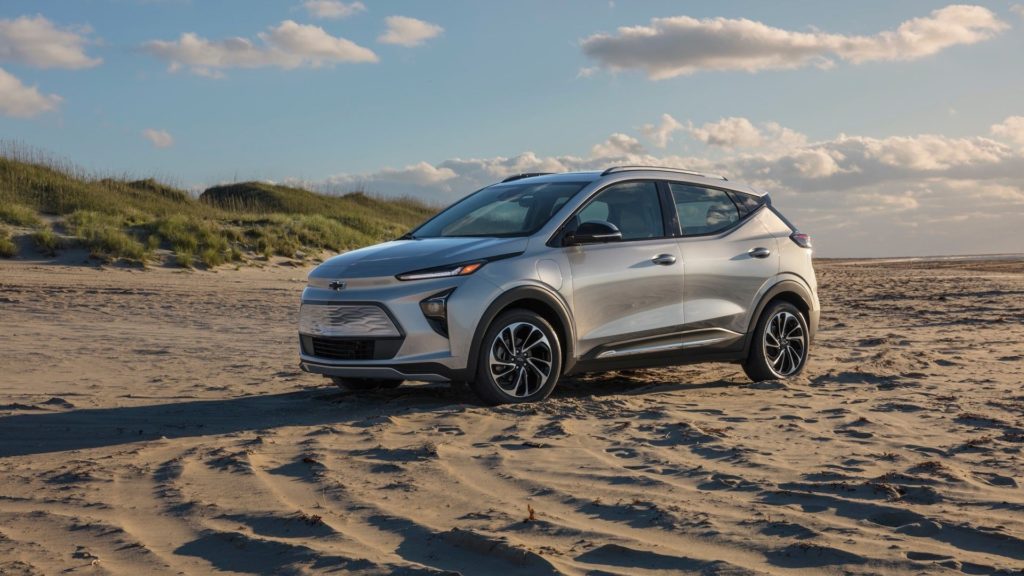
Chevrolet Bolt EUV
(EV)

The Bolt EUV is one of the most affordable EVs you can road trip in 2026. With solid range and low operating costs, it’s an accessible entry point into electric travel.

Best Choice For:
Budget-conscious EV shoppers

Upgrade Your Road Trip Ride with You Call We Haul

Road trips are more enjoyable when your car is reliable, efficient, and comfortable. If you’re ready to upgrade to one of these road-trip-ready vehicles in 2026, selling your current car is a smart place to start.

With You Call We Haul, you’ll get real bids from real buyers in your area, free pickup and towing, and no fees or commitment when you list your vehicle. Sell your old car on your terms—and put that value toward your next road trip upgrade.

Send Me Articles Like This

* indicates required

© Copyright 2007 - 2025 You Call We Haul. All rights reserved.Privacy Policy|Terms of Use