
If your car has been in an accident, figuring out what to do next can feel overwhelming—especially if the vehicle is no longer safe to drive or repairs aren’t worth the cost. The good news: you can sell an accident-damaged car, even if it doesn’t run. And with the right approach, you can do it quickly, safely, and for a fair price.
This guide walks you through everything you need to know, including how the selling process works, how to maximize your offer, and how You Call We Haul makes selling an accident-damaged vehicle simple with Real Bids from Real Buyers.
Can You Sell a Car That’s Been in an Accident
Yes—accident damage doesn’t prevent you from selling your car. You Call We Haul buyers purchase vehicles in every condition, including:
- Minor accident damage
- Frame damage
- Totaled vehicles
- Non-running cars
- Flood, fire, or collision vehicles
- Cars missing parts
The key is choosing a platform that specializes in damaged vehicles. Many traditional buyers and dealerships won’t make offers on accident-damaged cars, but You Call We Haul connects your vehicle with a nationwide network of licensed buyers who actively purchase cars just like yours.
How to Sell a Car After an Accident
Even if the accident just happened—or happened years ago—the selling process follows a few clear steps.
1. Gather Details About Your Vehicle
To receive the strongest offer, you’ll need:
- Make, model, and year
- Current mileage
- Damage details (what happened, which components were affected)
- Whether the car runs or starts
- Whether you have the title
Providing clear, accurate information helps buyers understand the vehicle’s condition and prevents delays later in the process.
2. Take Photos of the Damage
Photos are one of the most important steps in getting the best possible bid.
Cars with photos typically receive higher offers, because buyers can assess the condition upfront.
Be sure to photograph:
- All sides of the vehicle
- Close-up photos of impacted areas
- Interior condition
- Tires and wheels
- Dashboard odometer
- VIN (optional but helpful)
Good lighting and multiple angles increase buyer confidence—and your final sale price.
3. Submit Your Vehicle to You Call We Haul
Once you provide your vehicle details and photos, your car is sent into our marketplace where real buyers place live bids.
No bots. No automated estimates. Just real people assessing your real vehicle.
Most sellers receive offers within 1–2 business days, depending on buyer demand in your area.
4. Review Your Offers and Accept the Best One
You can accept the offer that works best for you. There’s no obligation and no hidden fees.
Once accepted:
- A local towing provider will contact you to schedule pickup
- Pickup is free
- You’ll receive your payment at pickup
- You’ll receive a confirmation email and receipt for your records
5. Prepare Your Car for Pickup
Before the tow truck arrives:
- Remove personal belongings
- Have your title ready (if required by your state)
- Make sure the vehicle is accessible for towing
Even severely damaged cars must be reachable by a tow truck.
How Much Is a Car Worth After an Accident?
It depends on several factors, including:
- Pre-accident value
- Severity and location of damage
- Whether the vehicle starts
- Current scrap metal and parts demand
- Mileage and age
- Buyer availability in your region
In general:
- Running accident-damaged cars tend to receive higher bids
- Totaled or non-running cars still have strong value due to parts and recyclable materials
- Photos can increase offers by giving buyers a clear understanding of the damage
You Call We Haul ensures competitive pricing by opening your vehicle to multiple buyers—not just one.
Selling vs. Repairing After an Accident
Not sure if you should repair the car first?
Here are signs selling may be the better financial decision:
- Repairs cost more than the car’s value
- Your insurance company declared it a total loss
- The damage involves the frame or major structural components
- You no longer want the vehicle
- You need a fast, hassle-free solution
If repairs exceed 50% of the vehicle’s value, selling is often the smarter choice.
Why Sell an Accident-Damaged Car Through You Call We Haul
You want a straightforward, safe, transparent way to sell your damaged car—without dealing with lowball offers, strangers from online marketplaces, or unreliable private buyers.
With You Call We Haul, you get:
- Real Bids from Real Buyers
- Free towing nationwide
- Fast pickup from licensed towers
- Cash at pickup
- Transparent marketplace bidding
- No fees, no obligations
We specialize in purchasing damaged and salvage vehicles—so you can move on from the accident quickly and confidently.
Ready to Sell Your Accident-Damaged Car?
Whether your car has minor damage or has been declared a total loss, You Call We Haul makes it easy to get a fair offer and fast pickup from a trusted nationwide network.
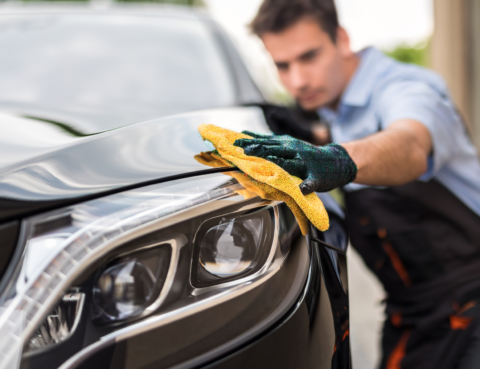
Beyond having great photos, a few simple maintenance tasks can go a long way toward helping your car stand out to buyers. These small efforts can make a major difference in how your vehicle is perceived, and the best part is, you don’t need a mechanic’s license or a big budget to do them.
Whether you’re just starting to think about selling or your car, or you’ve had it on the market for months, follow these recommendations to get a higher resale price or faster sale.
Give Your Car a Thorough Clean
The fastest, most affordable value booster is just a good hosing down. Buyers make judgments in seconds and a clean car signals good maintenance habits.
You can take your car to a car wash or service center to get it professionally detailed, or you can save some extra money and do the dirty work yourself.
Either way, be sure to include:
- Wash and wax exterior: This helps the paint to pop and shows it’s been cared for
- Vacuum and wipe down the interior: Dashboard, seats, floor mats, consoles, etc
- Clean windows inside and out
- Remove odors: Baking soda, charcoal bags, or a professional interior shampoo
- Remove personal items: Gives a tidy, ready-to-sell look
If you have a dog or make regular trips to the beach, you might want to consider a professional cleaning. Fur and sand gets in hard-to-reach spots and clings to fabric interiors with a vengeance.
Check and Top Off Fluids
While topping off fluids won’t necessarily increase your car’s resale value directly, it does show buyers that your vehicle has been well maintained—something that builds confidence and helps justify your asking price.
Check and refill as needed:
- Engine oil
- Coolant
- Brake fluid
- Windshield washer fluid
- Power steering fluid
Keep receipts and take quick photos of your maintenance work to show potential buyers your car’s been properly cared for.
Pro Tip: Ask your service technician if they offer free top-offs during your regular oil change.
Replace Low-Cost Wear Items

These small, affordable fixes go a long way toward showing reliability and consistency in upkeep.
- Wiper blades: Under $20 at WalMart and instantly improve visibility.
- Air filters: Engine and cabin filters are easy swaps that improve performance and air quality.
- Headlight bulbs: Dim or burned-out lights can turn off buyers; replacements are quick and cheap.
Missing caps or knobs: Replace small cosmetic items like tire valve caps or faded emblems.
Check the Tires
Well-maintained tires not only add curb appeal—they also show that the car is safe and cared for. Replacing tires can be expensive, so try these low-cost steps to extend their life and improve presentation:
- Ensure tires are properly inflated.
- Use a penny test for tread depth; replace only if severely worn.
- Clean the tires and hubcaps for a polished look.
- Rotate if uneven wear is visible.
Touch Up the Details
Cosmetic touch-ups can help your car have a strong first impression. You don’t want to try and hide any real damage – no one wants to be accused of deceptive misrepresentation or auto dealer fraud – but there’s nothing wrong with minor fixes to help show-off your car’s best side.
- Fix small paint chips or scratches with touch-up kits.
- Use a plastic restorer on faded trim or bumpers.
- Clean under the hood: remove debris and wipe surfaces lightly.
- Straighten license plates, replace missing screws or covers.
Gather Maintenance Records
You’ve probably heard your parents or grandparents say, “Save Your Receipts!” This is one of those times it really pays off. Organized maintenance records help build trust and show that your car has been consistently cared for.
- Collect service receipts or digital logs.
- Summarize recent updates: “New tires in 2023, oil changed every 5,000 miles, brakes replaced last spring.”
If you can’t find your paper copies, check your email—many auto shops now send receipts digitally. If you’re missing records, reach out to your service center; they may be able to send duplicates. Even basic documentation makes a strong impression and supports a fair price.