When is the Best Time to Sell Your Car

“When should I sell?” It’s the golden question for every car owner. Whether you’re looking to upgrade your daily driver or finally part ways with a non-running vehicle, timing can be the difference between a low-ball offer and top dollar.

While there is no perfect day, these three factors will help you decide if right now is the best time to cash in.

Watch the Seasons (and the Body Style)

Seasonality matters, but it depends entirely on what you’re driving. To get the best price, you want to sell when demand for your specific vehicle type is peaking:

  • Spring & Summer: This is prime time for sedans, fuel-efficient commuters, and convertibles. With tax refunds in hand and warmer weather, buyers are more active.
  • Fall & Winter: If you have an AWD SUV or a heavy-duty truck, the first sight of snow is your best friend. Buyers prioritize safety and traction when the weather turns.
  • The Junk Exception: If you’re selling a car that doesn’t run, seasonality matters less than scrap metal prices. When steel prices are up, your “clunker” is worth more, regardless of the temperature outside.

The Mileage Milestones

In the automotive world, certain numbers act as psychological barriers for buyers. Your car’s value doesn’t drop at a steady slope; it often steps down at these milestones:

  • 36,000–60,000 Miles: This is typically when bumper-to-bumper and powertrain warranties expire. Selling just before these marks often yields a much higher return.

  • 100,000 Miles: This is the big one. Even though modern cars easily last much longer, many private buyers and dealerships shy away once a car hits six figures.

  • The Reliability Cliff: Research your specific model. If your car is known for transmission issues at 80,000 miles, try to sell it at 70,000.

Send Me Articles Like This

* indicates required

Beat the New Model Devaluation

Technological leaps happen every year. As soon as the next generation of your car hits the showroom floor, your current version becomes the old style.

  • Annual Depreciation: Most cars lose about 15% to 20% of their value each year.

  • The Tech Gap: If a new model year introduces a major safety feature or a much better infotainment system, the older models see a sharper dip in desirability. If you see the “All-New” ads starting to run for your car’s successor, it’s time to list yours immediately.

Ready to Sell?

If you’ve checked your mileage and the calendar and realized now is the time, we’re here to help. At You Call We Haul, we take the guesswork out of the process. Whether it’s an aging SUV or a car that’s seen better days, we provide fast offers and easy towing.

5 Essential Title Tips for a Stress-Free Car Sale

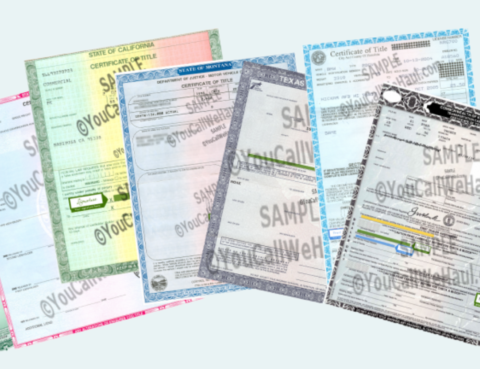
Selling your car should be a victory, not a paperwork nightmare. Whether you’re selling a pristine commuter or getting cash for a non-running junker, the title is the most important document in the deal. A single smudge or a missing middle initial can lead to weeks of delays at the DMV.

To ensure your sale goes off without a hitch, follow these five pro tips for handling your vehicle title.

1. Match Your Signature Exactly

Check how your name is printed on the front of the title. If it includes your full middle name or a suffix (like “Jr.”), you must sign and print your name exactly as it appears.

Pro Tip: Some states are incredibly strict—if the title says “Jonathan,” don’t sign “Jon.”

2. Aim for One-Take Accuracy

Think of your title as a legal contract. Any cross-outs, scribbles, or write-overs can void the document. Even if you are selling a non-functioning junk car, the DMV requires a clean paper trail to transfer ownership. If you make a mistake, you may have to apply for a duplicate title, which costs time and money.

3. Step Away from the White-Out

It might be tempting to fix a typo with correction fluid, but never use White-Out on a title. In the eyes of the DMV, this looks like an attempt to alter a legal document (fraud). A whited-out title is almost always rejected instantly, forcing you to start the replacement process from scratch.

Send Me Articles Like This

* indicates required

4. Clear Your Liens Early

If you ever had a loan on the vehicle, check if a lienholder is listed on the title. If they haven’t signed off on the document itself:

  • You must obtain a Lien Release letter from the bank.

  • The letter must include the VIN, Year, Make, and Model.

  • Check your local laws: Some states require this letter to be notarized.

5. Never Leave the Purchaser Section Blank

It might seem helpful to let the next person fill in their info, but leaving the “Purchaser” section blank is a huge risk. This is known as open titling, and it can leave you liable for tickets or accidents if the car isn’t registered correctly by the new owner. Always fill in the purchaser’s name immediately to ensure the hand-off is official.

Don’t guess your buyer’s info! At You Call We Haul, our buyers will provide you with all the information you need to correctly fill out the Purchaser information on your title.

Still need help? Let the title experts at You Call We Haul assist you! Call 866-771-5865.

REAL HELP FROM REAL PEOPLE

Selling a Junk Car?

Don’t let a messy title stand between you and your cash. Let the You Call We Haul experts help you navigate the paperwork so you can get that old car off your driveway fast.

© Copyright 2007 - 2025 You Call We Haul. All rights reserved.Privacy Policy|Terms of Use