


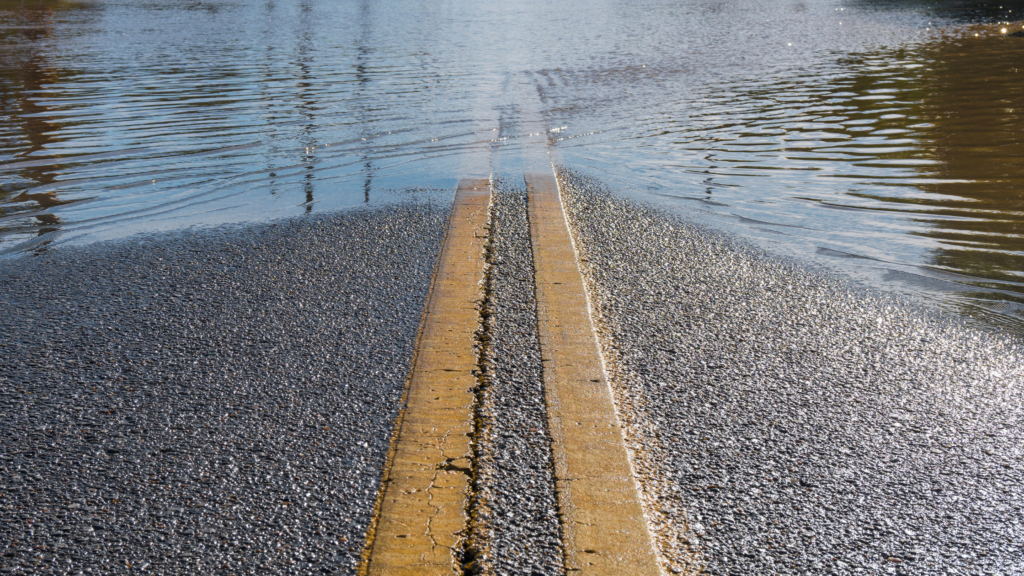
They say April showers bring May flowers, but for many vehicle owners, the start of spring also marks the beginning of flood and hurricane season. As the weather turns wetter, it is the perfect time to talk about a difficult topic: what to do if the rising tide catches your car.
Whether you are dealing with a water-logged driveway now or preparing for the storms ahead, knowing how to handle a flood-damaged vehicle is essential for your safety and your wallet.
Beware of Opportunistic Buyers
After a natural disaster, there is often a surge of opportunistic buyers who try to pick up affected vehicles for very little money. Their goal is usually to pass these cars off as clean units later on without disclosing the damage.
To protect yourself and future drivers, only sell your flood-damaged vehicle to licensed dealers and dismantlers. These professionals understand the legal requirements and intricacies of hurricane and flood vehicles, ensuring the sale is handled properly.
Resist the Urge to Start the Engine
If you walk out to a flooded driveway, your first instinct might be to see if the car still runs. However, the safest course of action is to not attempt to turn on a flooded vehicle yourself.
This is especially critical for hybrid owners or if water reached the wheel wells. Attempting to start the car can cause permanent mechanical or electrical damage. Instead, contact an experienced tow service or a professional shop immediately.
How to Assess the Damage
Before you decide on your next steps, look for these tell-tale signs of water intrusion:
Damp or muddy carpets and upholstery.
Electrical issues or dashboard warning lights.
Milky engine oil, which indicates water contamination.
Debris or silt trapped under the hood.
Document the damage and note how high the water reached. For a deeper dive into what to look for, watch this helpful video guide.
Selling an Owner Retained Unit
Sometimes an insurance company will pay out a claim but leave you in possession of the vehicle. This is known as an owner retained unit. You can absolutely sell these vehicles, but transparency is key. You must disclose the history of the hurricane, fire, or collision damage and include your salvage title to complete the sale.
Replacing a Lost Title
It is very common for important documents to go missing during a natural disaster. If your title was lost or destroyed in a storm, you can apply for a duplicate.
If you plan on selling your vehicle through You Call We Haul, we have resources to help. Click here to find state-specific instructions on how to replace a lost title so you can move forward with your sale.
Don’t let a flood-damaged car dampen your spring. Get an offer today and let our team of experts help you clear your driveway before the next storm hits.