
We’ve all been there: sitting in the waiting room of a mechanic’s shop, staring at a repair estimate that feels more like a mortgage payment. You start doing the mental gymnastics. “If I fix the alternator now, the car should last another two years, right?”
But in the world of automotive finance, there is a cold, hard mathematical reality called Diminishing Returns.
In simple terms, diminishing returns is the point where the money you pour into an asset no longer increases its value or utility proportionally. For a car, it’s the moment your investment in repairs stops being a smart way to save money and starts being a way to lose it faster. When the cost to keep a vehicle roadworthy consistently exceeds its market value or the cost of a replacement, you aren’t saving a car, you’re subsidizing a sinking ship.
The 12-Year Wall: 2013 Vehicles are the 2026 Danger Zone
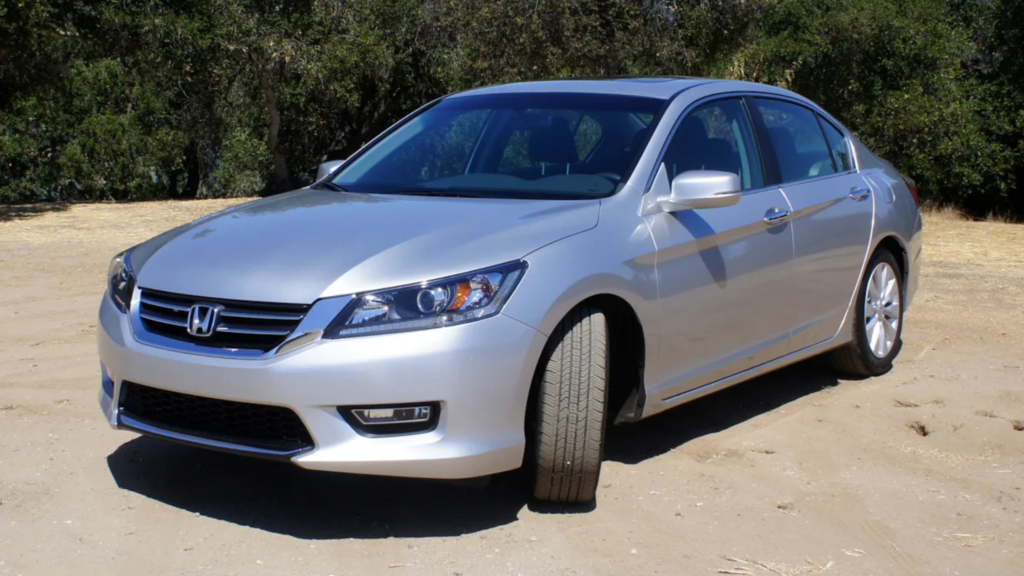
As of 2026, the 2013 model year has officially hit the “12-Year Wall.” While 2013 was a great year for reliable mid-size sedans and SUVs, time and mileage eventually catch up to even the best engineering.
Most 2013 vehicles now have between 140,000 and 170,000 miles. This is the specific window where “wear items” (like tires and brakes) transition into “major failures” (like transmissions, head gaskets, and complex electronics). In 2026, with labor rates and parts costs at an all-time high, a single major failure on a 2013 model can effectively “total” the car.
2026 Average Repair Costs vs. Vehicle Value
To see the math in action, look at how 2026 repair prices stack up against a 2013 vehicle with a typical market value of $4,000 – $6,000:
2026 Avg. Cost (Parts + Labor)
$750 – $1,100
% of Car’s Total Value
15% – 22%
Financial Status
✅ Routine Maintenance
2026 Avg. Cost (Parts + Labor)
$850 – $1,400
% of Car’s Total Value
17% – 28%
Financial Status
✅ Routine Maintenance
2026 Avg. Cost (Parts + Labor)
$2,200 – $3,500
% of Car’s Total Value
44% – 70%
Financial Status
⚠️ Warning Zone
2026 Avg. Cost (Parts + Labor)
$2,800 – $4,500
% of Car’s Total Value
56% – 90%
Financial Status
🚨 Critical Tipping Point
2026 Avg. Cost (Parts + Labor)
$3,800 – $6,200
% of Car’s Total Value
76% – 124%
Financial Status
🚫 Totaled
2026 Avg. Cost (Parts + Labor)
$5,200 – $9,500
% of Car’s Total Value
104% – 190%
Financial Status
🚫 Totaled
The Diminishing Returns Checklist
Not sure if your car is at the finish line? If you check more than two of these boxes, you have likely reached the point of diminishing returns:
The 50% Rule: Does this single repair quote exceed 50% of what the car is worth on the open market?
The Triple Threat: Does the car need three or more smaller fixes (e.g., tires, an oil leak, and a check engine light) that total over $2,500?
The Monthly Parity: Are your average monthly repair bills higher than a $450/month payment on a newer, warrantied vehicle?
Safety vs. Sunk Cost: Are you ignoring safety issues (like bald tires or soft brakes) because the car isn’t worth the fix?
Frequency of Failure: Has the car been in the shop more than three times in the last 12 months for non-routine issues?
The Exceptions: 2013 Survivors to Maintain

There are always a few survivors that defy the diminishing returns rule. If you own one of the following, the math changes slightly:
High-Resale Icons: 2013 Toyota 4Runners, Jeep Wranglers, and heavy-duty diesel trucks hold their value incredibly well. A $4,000 repair on a truck still worth $15,000 is usually a smart move.
Pristine Condition/Low Mileage: If your 2013 vehicle only has 60,000 miles and has been garage-kept, its utility value is higher than the average market price.
Sentimental Value: Math doesn’t account for memories. If it’s your first car or a family heirloom, the return isn’t financial, it’s emotional. Just know that you are spending for love, not for logic!
Don’t Throw Good Money After Bad
If your 2013 vehicle has officially crossed into the “Totaled” category on our repair table, it’s time to stop the bleeding. Every dollar you spend on a car in a state of diminishing returns is a dollar that could have been a down payment on your next reliable ride.
Ready to turn that "Money Pit" into "Money in Your Pocket"?
At You Call We Haul, we specialize in taking those high-mileage, high-repair-cost vehicles off your hands. We offer a fast, fair, and seamless way to sell your car—regardless of its mechanical condition. Don’t let your 2013 model sit in the driveway losing more value every day.