


Everyone knows the primary reason to buy a used car instead of a new one: the significantly lower price tag. However, the “cheapest” option isn’t always the best deal. If you don’t choose wisely, a bargain-bin used car can quickly become a money pit.
When shopping, you’ll likely face a choice between a standard used car and a Certified Pre-Owned (CPO) vehicle. While CPOs come with a higher price point, they offer manufacturer-backed inspections and warranties. So, which is right for you?
Here is how to navigate the used car journey and find the best value for your budget.
Know the Difference: Used vs. CPO
A standard used car is typically sold “as-is,” meaning once you drive off the lot, any mechanical failures are your responsibility. Certified Pre-Owned vehicles sit in the sweet spot between “used” and “new.” These are late-model, low-mileage cars that have passed a rigorous multi-point inspection by the manufacturer. While you will pay a premium for a CPO—often a few thousand dollars more—you gain a factory-backed warranty and the assurance that the car has been vetted by experts.
Finding the Right Inventory
The search for a quality vehicle has moved almost entirely online, offering more transparency than ever before.
Depending on whether you want the protection of a CPO or the deep discount of a private sale, you should check these sources:
- Listing Aggregators: Sites like Autolist, Autotrader, and Used Car Search Pro compile thousands of dealer listings in one place.
- Online Retailers: Platforms like CarMax and Carvana offer “no-haggle” pricing and often have their own internal certification programs.
Private Party Sellers: These are individual owners typically found on Facebook Marketplace or Craigslist; this is where you’ll find the lowest prices, though they offer the least protection.
Budgeting Beyond the Sticker Price
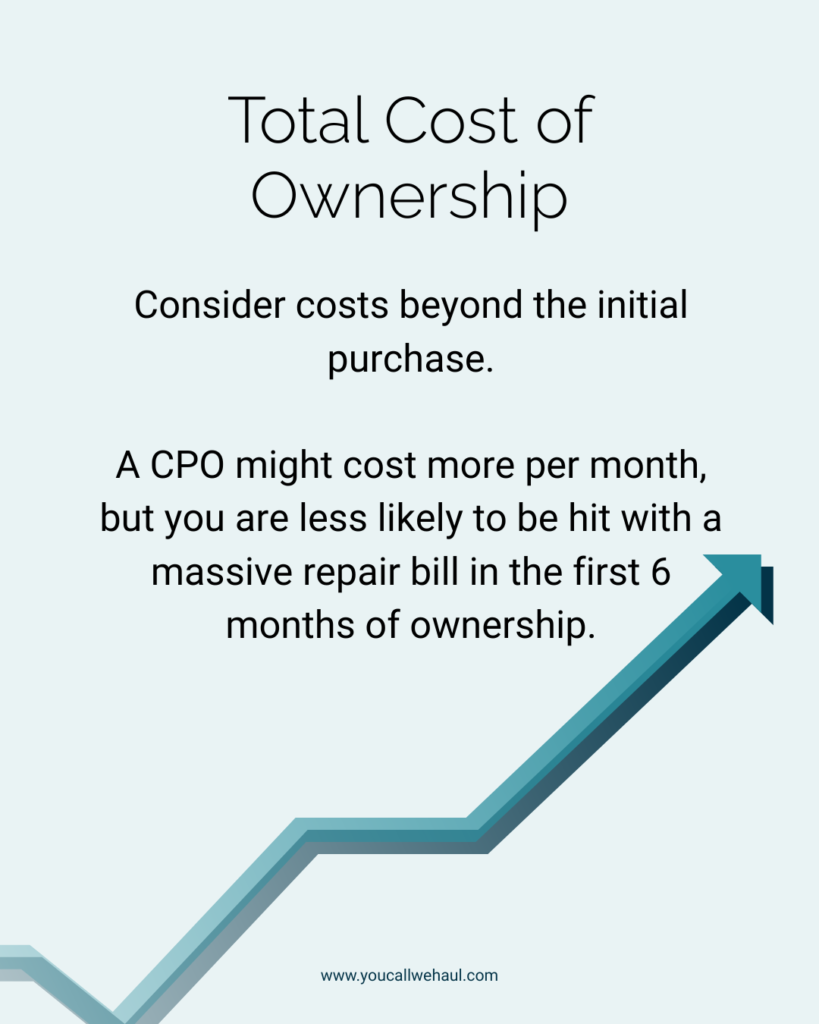
Whether you pay cash or take out a loan, your budget should extend beyond the initial purchase price. A lot of people take out a loan to protect their savings and afford a newer, safer model, but you must also factor in the Total Cost of Ownership. This includes maintenance, insurance, and depreciation. A CPO vehicle might cost more per month, but because it’s usually a late-model car with a warranty, you are less likely to be hit with a massive repair bill in the first six months of ownership.
Your Pre-Purchase Checklist
Once you’ve found a potential car and verified its value through a pricing guide like Kelley Blue Book, you need to perform your due diligence. Before you sign any paperwork, make sure you have completed the following steps:
- Run a Vehicle History Report: Use the VIN to check for past accidents, title issues, and previous owners.
- The “Cold Start” Test: Listen for unusual noises or vibrations when the engine is first turned on.
- Systems Check: Test the brakes, check the oil pressure, and ensure all safety features like airbags are functioning.
- Professional Inspection: For non-CPO cars, it is always worth paying a mechanic for a quick pre-purchase inspection to find hidden “red flags.”

Get Cash for Your Current Car with You Call We Haul
Are you looking to clear out your driveway before your new purchase arrives? You Call We Haul buys cars in any condition, regardless of age or model. We help you sell your old car by bidding it through our nationwide network of buyers, ensuring you don’t just take the first low-ball offer you receive. Our live bidding process gets you the most money possible for your unwanted vehicle.
Junk or sell your car online for cash today! Call us at 866-771-5865.